
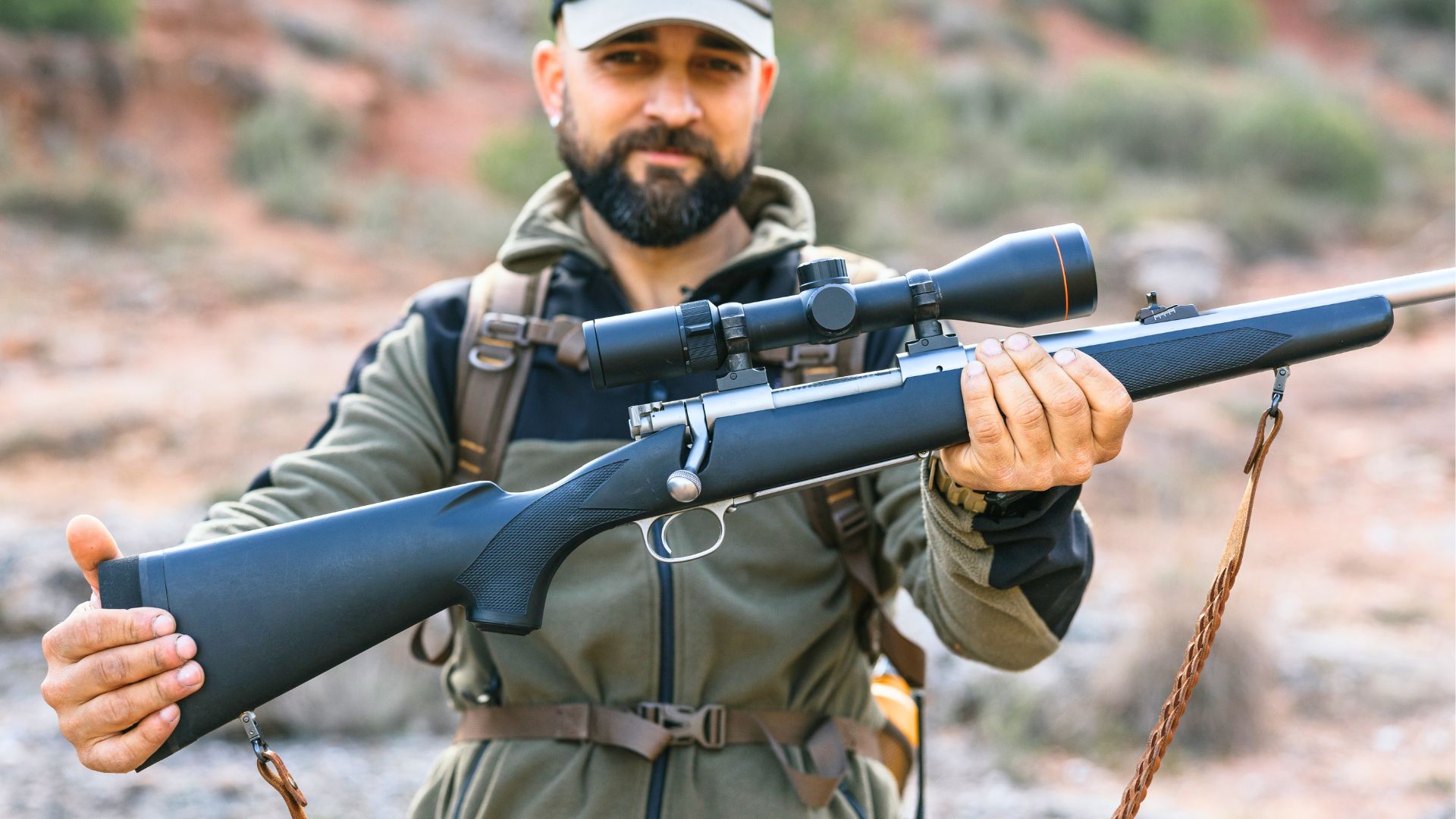
These Rifles Will Make You Miss at 300 Yards
Some rifles are built for stretching things out, and others fall apart the moment you try to push past 200 yards. On paper, many of these guns seem capable enough, but once you start working wind, wobble, and trigger control at 300 yards, their weak points show fast. Whether it’s poor barrel quality, rough triggers, wandering zero, or lightweight construction that whips in your hands, these rifles make long-range hits far harder than they need to be.
If you’ve ever settled behind a rifle that fought you every inch of the way, you know the feeling. These models have earned a reputation for leaving shooters frustrated when the distance starts working against them.
Mosin-Nagant M91/30
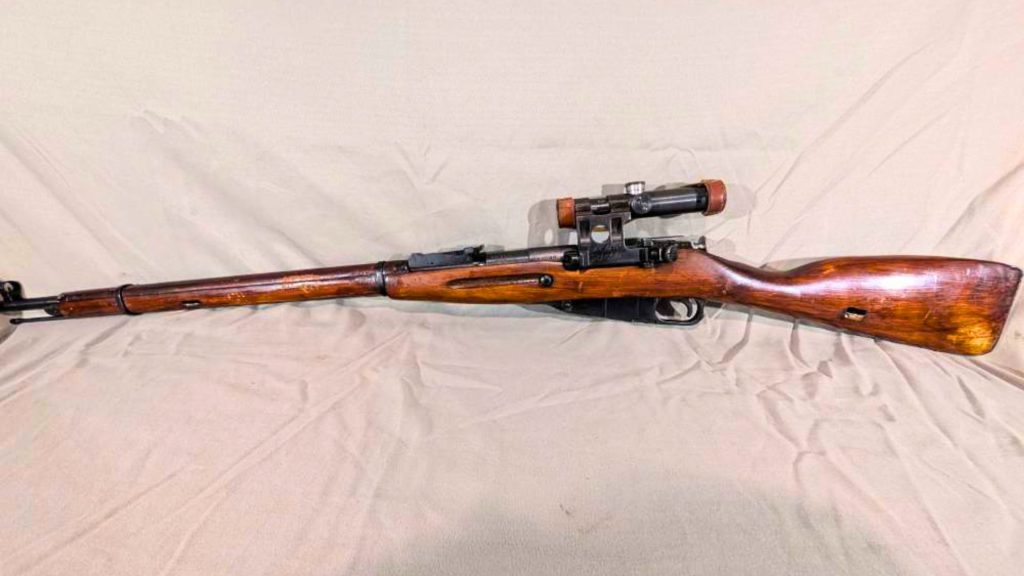
The Mosin-Nagant M91/30 may be rugged, but its accuracy varies wildly. Many surplus rifles carry worn bores, mismatched parts, and wartime machining that simply wasn’t meant for precision work. At 300 yards, that translates to unpredictable groups and a lot of frustration. Even if you find one in decent condition, the heavy trigger and stiff bolt throw make it tough to stay steady through the shot.
The open sights aren’t friendly for long-range work either. The tall front post and narrow rear notch limit your ability to hold a fine aiming point. Add in heavy recoil that shifts your position after each shot, and hitting consistently at 300 yards becomes a real chore for most shooters.
SKS (Surplus Variants)
Surplus SKS rifles can be dependable, but they weren’t designed for precision. The combination of loose tolerances, worn barrels, and military-grade triggers leaves most shooters battling inconsistent accuracy. At 300 yards, those loose tolerances start stacking up fast, turning what should be manageable shots into wide groups. Many rifles also still wear aging crowns that scatter rounds farther than expected.
The iron sights aren’t much help. The rear notch is coarse, and the front post covers too much of the target at longer distances. Even with optics, the mounting options are limited and often unstable. While the SKS is a fun rifle inside 150, expecting it to keep tight groups at 300 is asking too much.
AK-47 (Cheap or Worn Imports)
A well-made AK can shoot respectably, but many imported budget rifles struggle to keep rounds anywhere near center at 300 yards. Loose parts fit, inconsistent barrels, and wandering zeros make precise shooting nearly impossible. Some rifles string shots as they heat up, while others shift impact point every time you remove and reinstall the dust cover for cleaning.
The factory sights don’t help much either. The short sight radius and blocky posts make it tough to hold a clean aiming point. Add in the violent action and heavy recoil impulse, and the rifle moves more than most shooters expect. Past 200 yards, consistency becomes more luck than skill with bargain-bin AKs.
Ruger Mini-14 (Older Models)
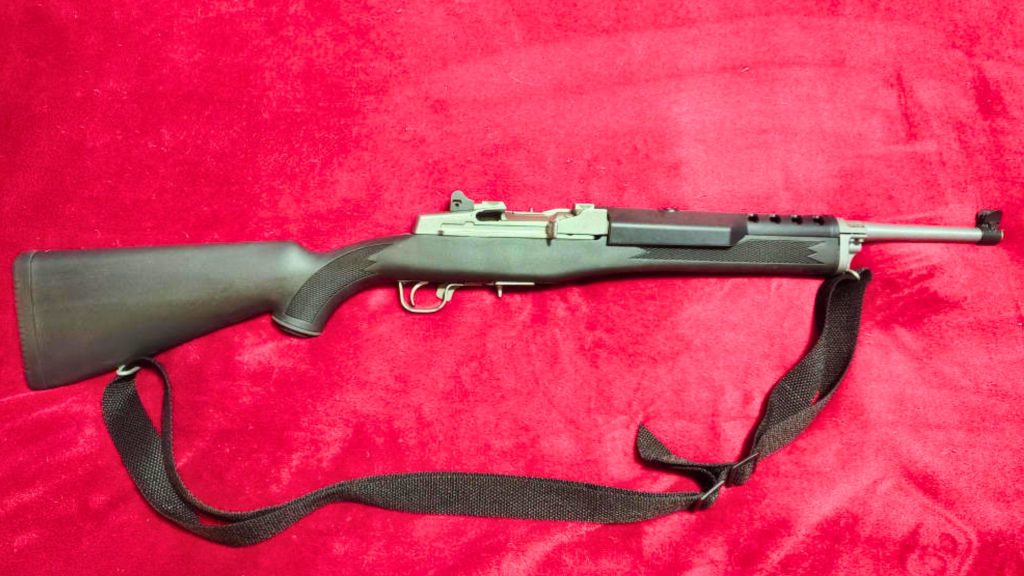
Older Ruger Mini-14s have a reputation for opening up groups the farther you stretch them. Their lightweight barrels heat quickly, causing noticeable point-of-impact shifts. Even slow-paced shooting can send shots drifting, making 300-yard precision an uphill battle. The trigger pull on many early rifles adds more movement than you want when you’re trying to maintain steady pressure.
Accuracy also varies from rifle to rifle. Some will deliver acceptable groups, but others spread shots unpredictably once the barrel warms. If you’re trying to hold tight at 300 yards, this inconsistency becomes a real headache. While newer Minis have improved, the older ones still make long-range hits harder than they should be.
Marlin Model 60
The Marlin Model 60 is one of the best .22 rifles ever made for plinking, but 300 yards is far beyond what the round or rifle can handle. Even with perfect technique, .22 LR loses velocity quickly, drops dramatically, and gets pushed by the slightest breeze. You’ll find yourself holding feet above the target, and one gust can send the round off the plate entirely.
The rifle’s lightweight barrel and basic trigger aren’t designed for long-range precision either. At that distance, every inconsistency shows. It’s a fantastic backyard gun, but expecting it to print hits at 300 yards is unrealistic no matter how good you are behind the trigger.
Henry H001 .22 Lever Action
The Henry H001 is a smooth little rifle, but it’s built for fun and small-game ranges, not for reaching out to 300 yards. The .22 LR cartridge runs out of steam long before that distance, and the tubular magazine design makes it impractical to mount stable optics. With iron sights alone, holding a precise aiming point is nearly impossible at that range.
The lightweight build also makes it sensitive to movement. Any small shift in your grip or breathing becomes a big adjustment on the target side. While the rifle shines in the woods or on the farm, 300-yard shooting exposes its limitations in a hurry.
British Enfield No. 4 Mk I (Worn Surplus)
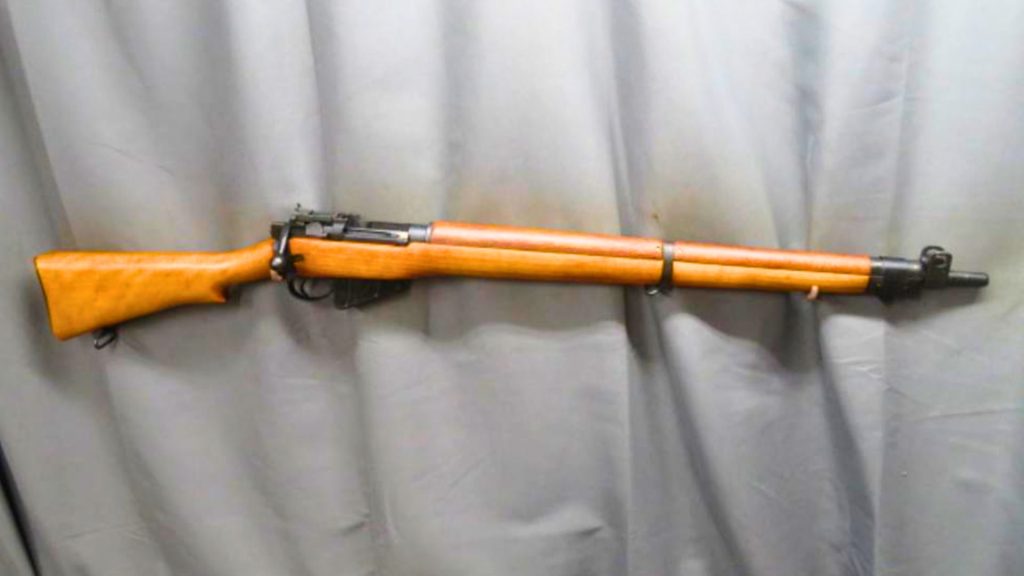
Many surplus Enfield No. 4 rifles have seen decades of hard use, and their accuracy suffers for it. Oversized bores, loose headspace, and worn barrels cause groups to wander well beyond acceptable levels at 300 yards. Even with good ammunition, these old rifles often struggle to hold consistency across multiple shots.
The two-stage military trigger adds another challenge. Breaking a clean shot takes patience and control, and any hesitation throws your sight picture off. Add in heavy recoil and the rifle’s weight, and you’ll find yourself working harder than expected to keep rounds on target at longer distances.
Rossi R92 Lever Action (Pistol Caliber)
The Rossi R92 in pistol calibers is fun and lively, but its ballistic performance drops off fast once you leave typical handgun ranges. Even with hot .357 Magnum loads, velocity bleeds out quickly, and 300-yard shots feel like you’re lobbing them more than aiming. Wind becomes your biggest enemy, and drift can push shots far off course.
The buckhorn sights are another setback. They make fine aiming tough, especially at long distances where the front post covers most of your target. The rifle thrives inside 100 yards, but once you reach 300, the combination of slow bullets and coarse sights makes hits inconsistent at best.
Hi-Point 995TS Carbine
The Hi-Point 995TS performs well inside 100 yards, but beyond that it struggles. Shooting 9mm at 300 yards is inherently challenging—velocity drops sharply, trajectory becomes unpredictable, and wind drift gets extreme. Even with perfect technique, you’re working against the cartridge more than the rifle.
The heavy trigger and basic sights don’t help. Trying to hold a steady picture while managing that trigger pull introduces more movement than you want at long distance. While the 995TS is surprisingly accurate at close range, expecting it to connect at 300 yards turns every shot into a guess.
KelTec SUB2000
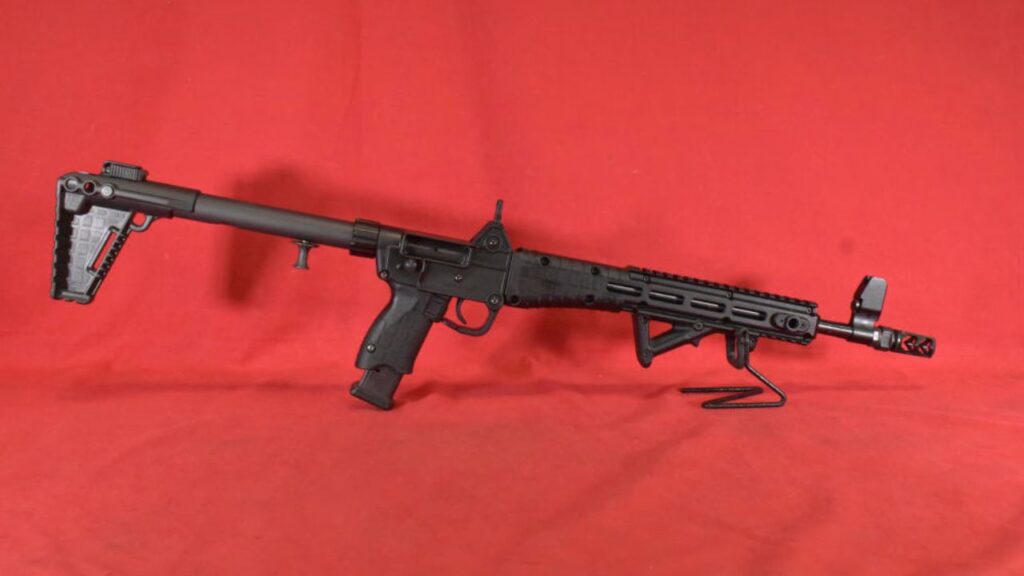
The KelTec SUB2000 is compact and practical at short range, but its pistol-caliber performance falls apart past 150 yards. The 9mm and .40 S&W cartridges drop fast and drift heavily, giving you little room for error. Even with optics, the SUB2000’s flexible polymer frame can cause point-of-impact shifts depending on how firmly you shoulder it.
The iron sights aren’t ideal either. They sit low and can be hard to use at longer distances, making it tough to maintain a repeatable hold. The rifle shines inside defensive distances, but when you push it to 300 yards, the limitations become obvious.
AK-74 (Worn Surplus Models)
While a well-maintained AK-74 can be reasonably accurate, many surplus rifles in the U.S. show barrel wear, canted sights, or assembly issues that hurt performance. At 300 yards, these problems stack up and create groups big enough to lose confidence fast. Some rifles also suffer from cheap aftermarket parts that further compromise accuracy.
The light recoil helps with follow-through, but the short sight radius and rough triggers on many imports offset any advantage. If you’re working with a worn example, the odds of producing tight groups at 300 are slim. The platform can shoot, but condition matters more than most people think.
Ruger American Ranch in 7.62×39 (Steel-Cased Ammo)
The Ruger American Ranch is a capable rifle when fed quality ammunition, but many shooters pair it with inexpensive steel-cased 7.62×39. At 300 yards, that ammo produces wide velocity spreads and inconsistent groups. You’ll see shots open up dramatically compared to brass-cased or premium loads.
The lightweight barrel heats quickly, which can shift your point of impact during longer strings. While the rifle itself is accurate with good ammo, the common pairing with bulk steel makes 300-yard hits unreliable. It’s a case where the rifle can perform, but the typical setup makes long-range shooting harder than expected.
Marlin 336 (Pistol Caliber Conversion)

Some Marlin 336 rifles have been converted to pistol calibers, and those conversions often struggle at 300 yards. The barrels and twist rates weren’t always optimized for the new chamberings, leading to inconsistent stability at longer ranges. Many of these rifles throw rounds unpredictably once you stretch past typical lever-gun distances.
The sighting setups on many conversions don’t help either. Buckhorn sights and low-power optics make precise holds difficult. While the classic 336 action is smooth, the altered ballistics and sight limitations work against long-range accuracy. These rifles can be fun, but they’re not the tool you want when reaching out to 300 yards.

Leo’s been tracking game and tuning gear since he could stand upright. He’s sharp, driven, and knows how to keep things running when conditions turn.


