
The Most Overcomplicated Guns You’ll Ever Handle
Some guns are straightforward tools. Others feel like they were designed by someone who couldn’t leave well enough alone. You’ve probably handled a few firearms where every feature seems to add another layer of steps, tension, weight, or mechanical gymnastics. They may be interesting, they may even be historically cool, but they demand more effort than most shooters want to give.
Whether it’s too many levers, a maze of parts, or a design that takes three hands to run smoothly, these guns remind you that mechanical ambition doesn’t always lead to practical performance. If you’ve ever wondered which firearms earn that reputation, these models rise straight to the top.
FN P90

The FN P90 gets attention for its compact shape, but its feeding system is one of the most complicated you’ll ever work with. The top-mounted magazine rotates rounds ninety degrees before feeding them, which means cleaning and maintenance take more time than you expect. You’ll spend extra minutes keeping those guides and rails running smoothly, especially in dusty or wet conditions.
Handling the magazines isn’t straightforward either. Loading them feels foreign at first, and seating them properly requires deliberate pressure. While the gun shoots well once it’s running, you’ll quickly learn that the unique layout adds steps to almost every task, from reloading to breaking it down after a long session.
HK P7M8
The HK P7M8 is admired for its accuracy, but the squeeze-cocker mechanism creates a learning curve most shooters don’t anticipate. Keeping pressure on the front strap while maintaining a steady trigger press takes practice, particularly when your grip changes during rapid strings. That mechanism also adds mechanical complexity under the hood, turning routine maintenance into careful, patient work.
Heat buildup becomes another factor. After a few magazines, the gas-delayed system warms up fast, and the frame can become uncomfortable to hold. While it’s a well-made pistol, running it smoothly in real conditions takes more technique and attention than most folks want from a compact carry gun.
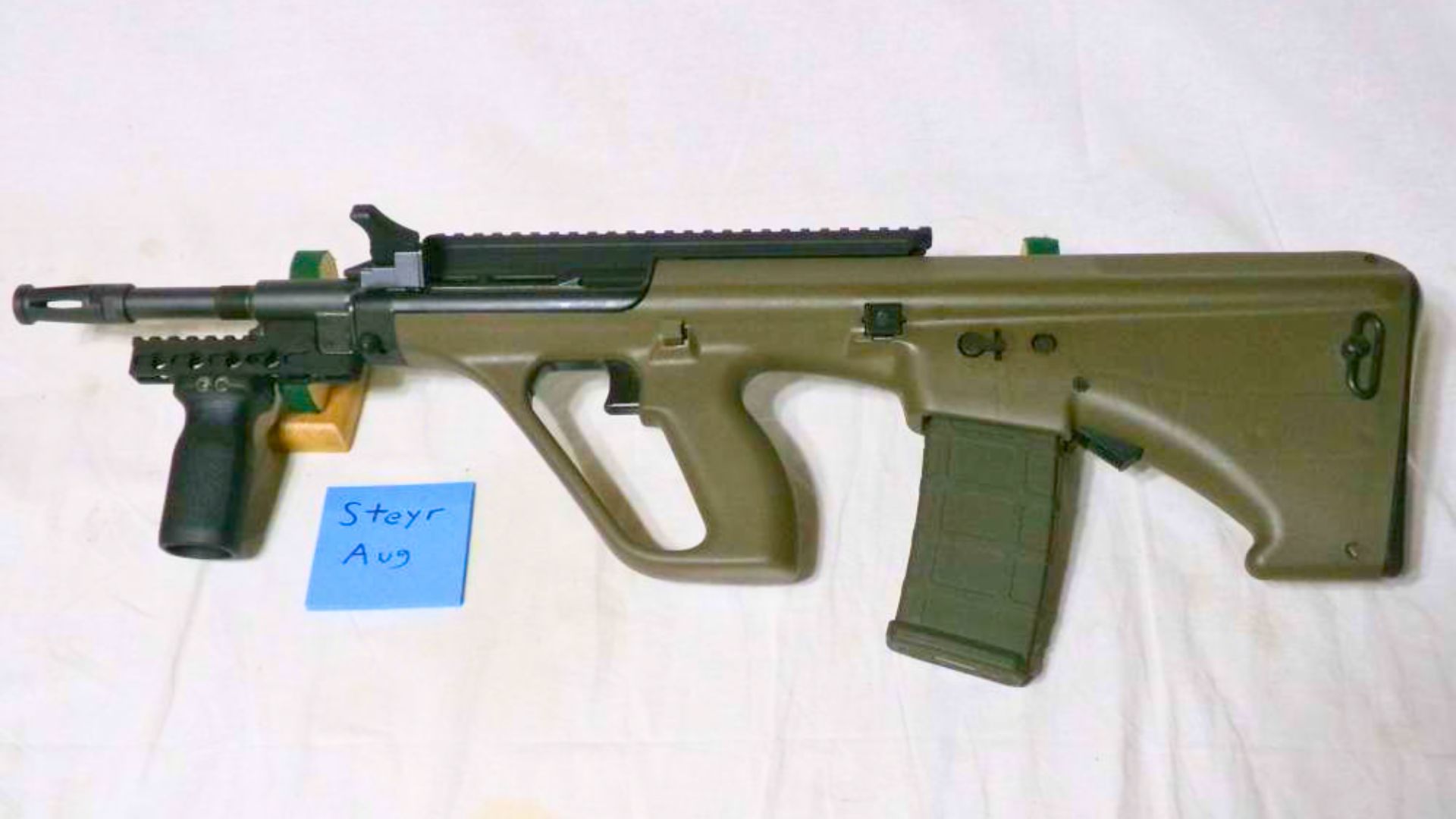
Steyr AUG
The Steyr AUG stands out with its bullpup design, but that layout adds layers of complexity in operation and teardown. Accessing the trigger components, bolt, and internal linkage requires more steps than traditional rifles, especially if you’re trying to diagnose sluggish cycling or worn parts. The modular barrel system sounds convenient, yet learning how it locks and unlocks takes practice.
Magazine changes can also feel awkward at first. The rearward mag placement forces you to relearn muscle memory, and your hands end up searching for the release until the motion becomes familiar. It’s a capable rifle, but running one confidently means accepting a steeper mechanical learning curve than most platforms demand.
FN F2000
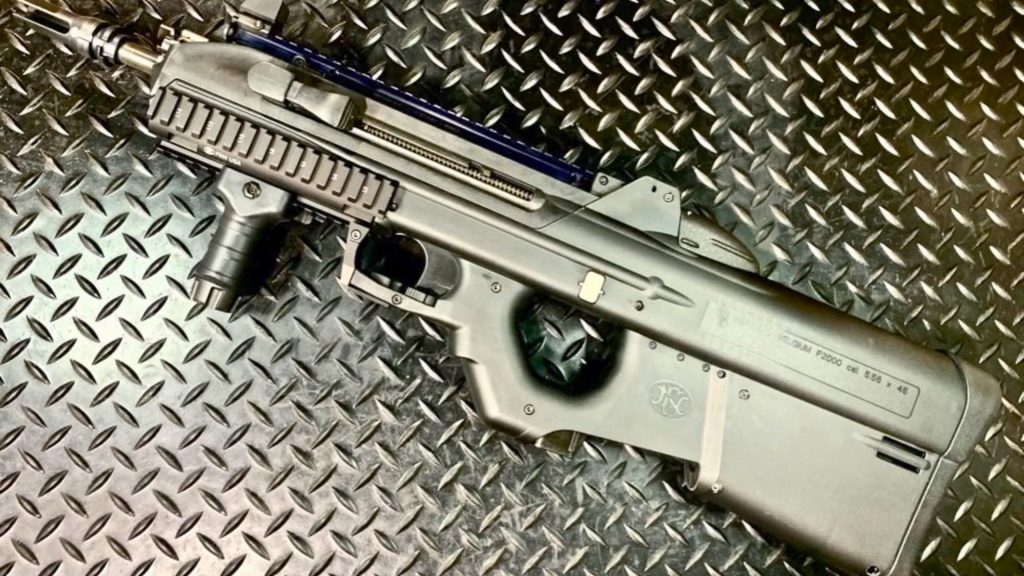
The FN F2000 might be one of the most mechanically packed rifles ever produced. Its forward-ejection chute, enclosed shell, and nested internals create a system that looks sleek on the outside but requires patience when you start working on it. Breaking it down feels like opening a puzzle box, and putting it back together asks for careful alignment of multiple parts.
Even basic clearing drills feel different. The enclosed design hides the bolt and chamber area, so you’ll spend time checking angles and learning new habits to stay safe. It’s a fascinating rifle to study, but it demands far more attention than most shooters want in a practical firearm.
Calico M960
The Calico M960’s helical magazine is one of the most confusing feeding systems ever bolted onto a firearm. Loading it takes time, patience, and a steady rhythm, and malfunctions often require unloading half the drum before you can sort things out. The winding mechanism adds another layer of maintenance that many owners don’t expect.
Balancing the gun can also feel odd. With a fully loaded magazine mounted up top, the rifle becomes nose-light and rear-heavy, which affects your control during rapid fire. The combination of awkward mechanics and slow upkeep makes the M960 interesting on paper but tiring to run on a consistent basis.
KRISS Vector
The KRISS Vector’s recoil system is unique, but it adds complexity everywhere else. The bolt travels downward into the frame, which means field-stripping involves managing several nested components. Keeping the internal rails clean takes more effort than with most pistol-caliber carbines, especially after high-volume shooting.
Handling the gun demands technique too. The layout changes the balance point, and transitions can feel abrupt until you get used to it. While the Vector performs well in experienced hands, beginners often spend more time learning its quirks than actually shooting. It’s a cool concept, but the extra mechanics introduce challenges you won’t see with simpler carbines.
Wildey Survivor

The Wildey Survivor was made famous in movies, but in real life it requires dedication to run well. Its adjustable gas system demands tuning based on the load you’re shooting, and getting it right takes trial and error. Forget to dial it in and you’ll deal with sluggish cycling or harsh recoil that beats up the gun.
The large frame and weight also make it tough to manage for quick follow-up shots. Cleaning it isn’t quick, and many parts need attention during reassembly to make sure everything seats correctly. It’s powerful and memorable, but the upkeep and tuning make it far from a casual shooter’s pistol.
Japanese Type 94 Nambu
The Japanese Type 94 Nambu is notorious for its exposed sear bar, which can discharge the gun if pressed from the outside. That design alone puts it in a category of its own, but operating it smoothly adds more confusion. The safety is small and awkward, the trigger press is inconsistent, and the grip angle feels unnatural to many hands.
Disassembly brings its own challenges. Springs and small parts sit tight inside the frame, and realigning them during reassembly takes patience. There’s historical interest in the Nambu, but as a working firearm, it shows how excessive mechanical experimentation can create more problems than solutions.
SIG SG 550
The SIG SG 550 is well-made, but its complexity shows the moment you break it down. Its gas system, multi-piece bolt carrier, and precise parts fit require you to pay attention during maintenance. Everything fits tightly, and cleaning carbon out of the nooks and channels takes longer than with most rifles in its class.
Reloading also takes getting used to. The rock-and-lock magazines work, but they’re slower and require more careful alignment under stress. While the rifle is accurate and dependable in skilled hands, it demands more time, technique, and upkeep than many shooters are prepared for.
Walther P99Q
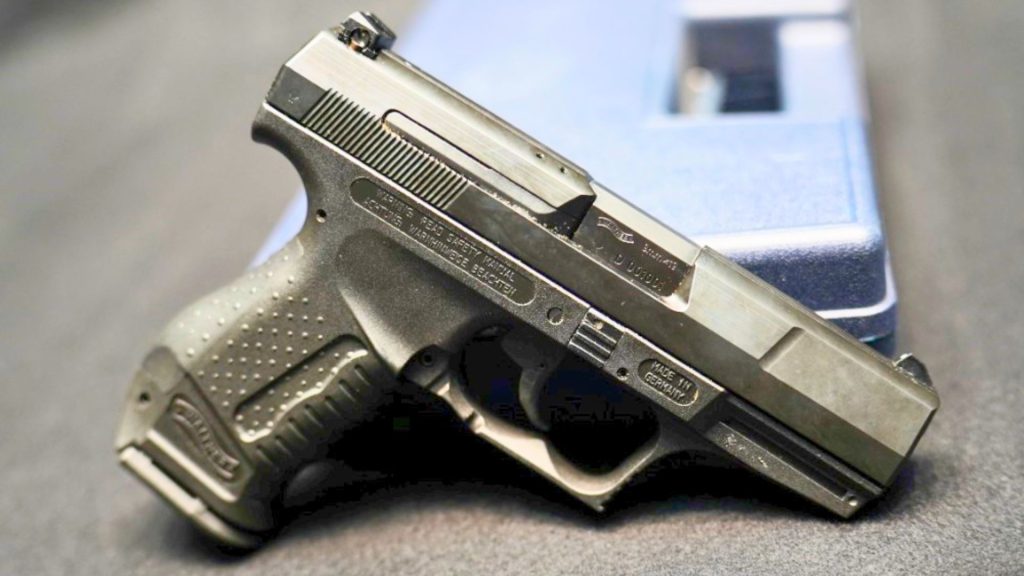
The Walther P99Q’s trigger system is far more involved than many expect. The varying modes, decocker button, and multiple reset points create a learning curve that slows down new shooters. If you switch between firearms often, the P99Q forces you to rethink your grip and trigger habits every time you pick it up.
Breaking it down isn’t difficult, but the internal layout makes deep cleaning slower. The striker system needs regular attention to stay consistent, and the unique controls require deliberate practice. It’s comfortable once mastered, but the time it takes to reach that point makes many shooters move on to simpler pistols.
Chauchat Light Machine Rifle
The Chauchat is infamous for good reason. Its long-travel recoil system, open-sided magazines, and sensitive internals create a firearm that demands near-constant attention. Dirt, snow, or even heavy dust can bring it to a stop, and clearing those issues takes time you rarely have. Maintaining it in the field was a full-time job for anyone carrying one.
The gun also kicks harder than many shooters expect, especially when firing from unsupported positions. Handling the long, flexible magazines is another challenge. It’s an important piece of history, but it remains one of the most overcomplicated weapons ever issued.
FG 42
The FG 42 is a marvel of engineering, but running it is far from straightforward. Its side-mounted magazine changes the balance, and learning to keep the rifle steady takes effort. The gas system, recoil layout, and bolt design combine into a mechanism that requires careful upkeep and exact alignment during assembly.
The trigger group is especially intricate, containing multiple interacting parts that need to remain clean and properly lubricated. Heat buildup during sustained fire also affects its behavior, making maintenance even more important. It’s a fascinating rifle for collectors and historians, but operating it smoothly demands real dedication.
Desert Tech MDR

The Desert Tech MDR promises modularity, but that customization adds layers of mechanics you need to stay on top of. Switching calibers, tuning the gas to different loads, and keeping the ejection system clean take more time than many shooters want to invest. The rifle’s compact bullpup frame hides a maze of parts that all have to work in sync.
Early models also had reports of feeding and extraction issues that required constant adjustment. Even when everything is tuned correctly, you’ll spend more time maintaining and tweaking the MDR than actually shooting it. For many owners, the upkeep becomes the biggest challenge of the platform.

Leo’s been tracking game and tuning gear since he could stand upright. He’s sharp, driven, and knows how to keep things running when conditions turn.


