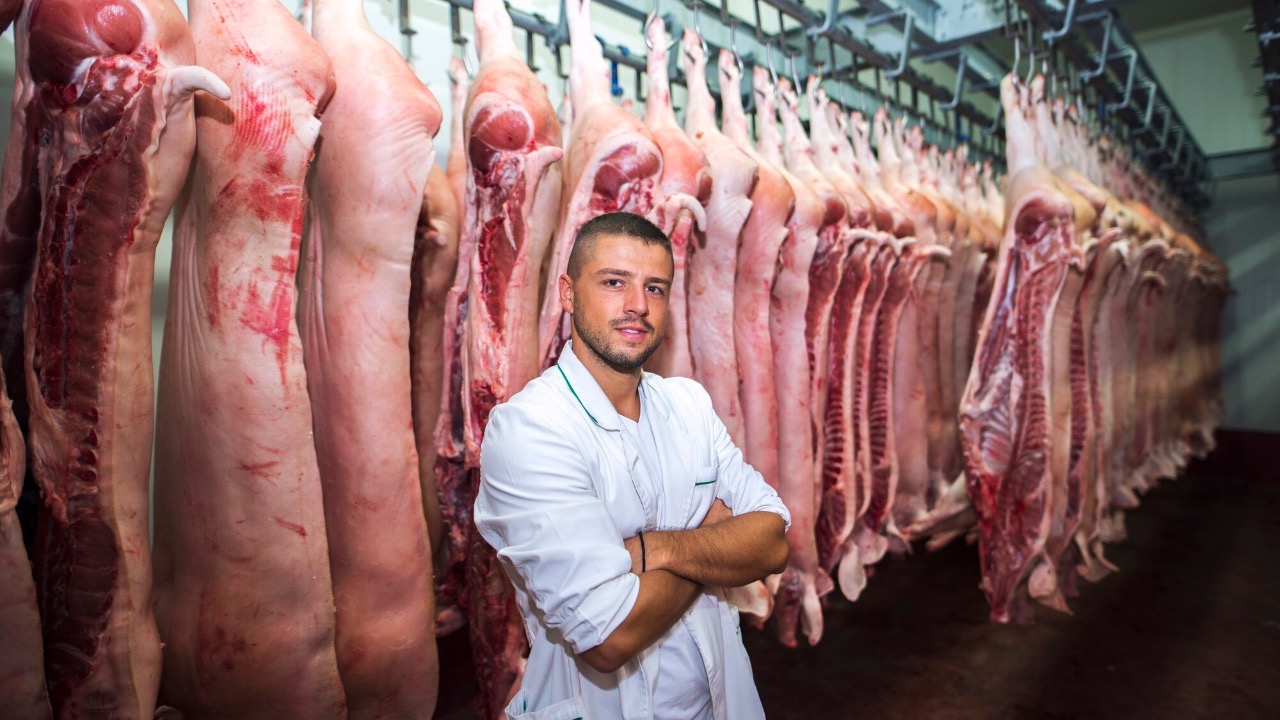
Greece’s Top Court Rules Animals Must Be Unconscious Before Slaughter in Landmark Welfare Decision
Greece’s highest administrative court has issued a decision that’s drawing attention across Europe, ruling that animals must be rendered unconscious before slaughter in order to comply with national animal welfare protections.
The ruling is being described as a “landmark” moment by animal welfare advocates, while also sparking debate among religious and industry groups about tradition, regulation, and how far the state can go in enforcing pre-slaughter requirements.
What the Court Decided
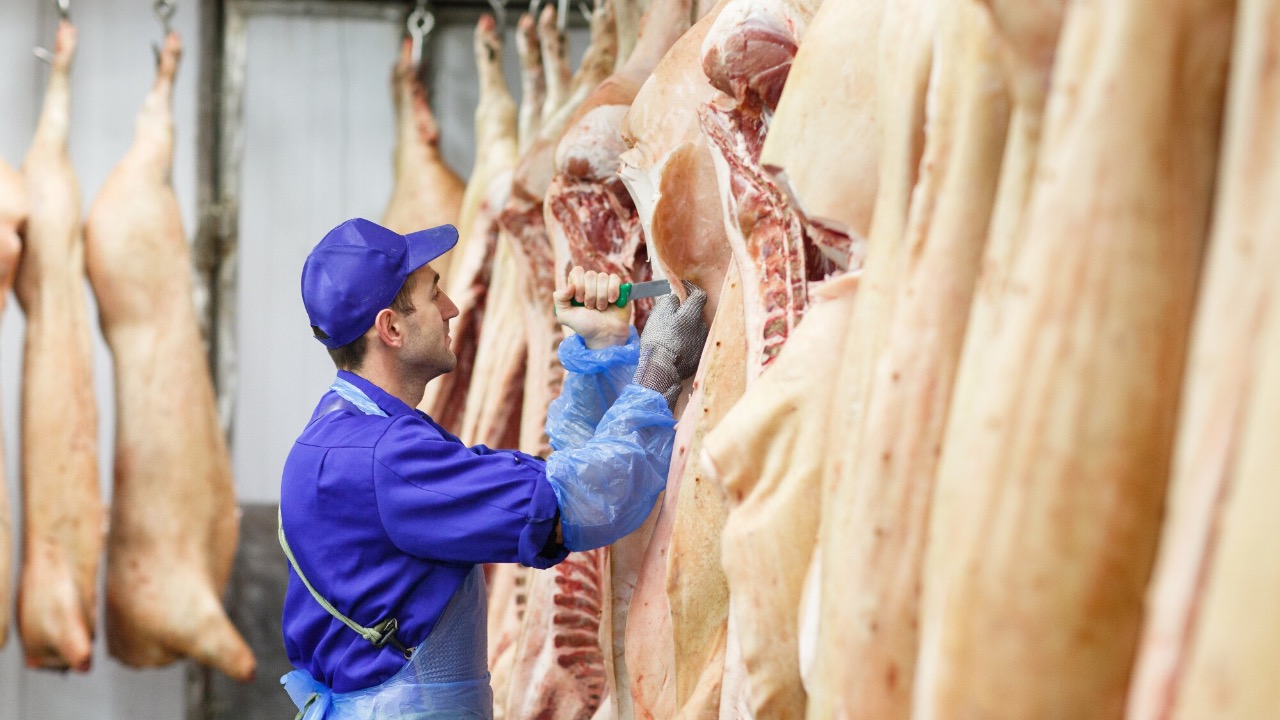
According to the decision, animals must be unconscious before being killed in slaughterhouses operating under Greek law. The ruling reinforces existing welfare standards and emphasizes that minimizing suffering is a legal requirement, not just a guideline.
The court’s interpretation focuses on the idea that conscious slaughter — where animals are killed without prior stunning — does not meet the country’s legal obligations for humane treatment.
Why the Case Was Taken Seriously
The issue has been part of broader legal and ethical discussions in Europe for years, particularly around methods of ritual slaughter and industrial meat production.
Animal welfare groups argued that ensuring unconsciousness before slaughter is one of the most basic protections against unnecessary suffering. They pushed for stricter enforcement, saying that inconsistent practices left gaps in how the law was applied.
The court’s ruling effectively strengthens the requirement and removes ambiguity about what is expected in practice.
Reactions From Different Groups
Animal rights advocates welcomed the decision, calling it a significant step forward for welfare standards. They argue that clearer enforcement will lead to more consistent practices across facilities and reduce avoidable suffering.
On the other hand, some religious organizations and industry representatives have raised concerns about how the ruling could affect traditional practices and operational flexibility in slaughterhouses.
The tension largely centers on balancing religious freedoms, cultural practices, and modern animal welfare regulations.
Why It’s Getting Attention
The decision is being widely discussed because it touches on several sensitive areas at once — food production, ethics, religion, and law.
It also reflects a broader trend across Europe, where courts and governments are increasingly re-examining how animals are treated in food systems, especially in relation to stunning and slaughter methods.
The Bigger Picture
At its core, the ruling is about how societies define acceptable treatment of animals within the food chain.
Supporters see it as a necessary modernization of welfare standards. Critics see it as another example of legal systems reshaping long-standing traditions.
Either way, the decision sets a clear legal standard in Greece: animals must be unconscious before slaughter — and that requirement is now backed at the highest judicial level.
And as debates continue, the ruling is likely to remain part of a wider conversation about how ethics, law, and tradition intersect in modern food production systems.

Leo’s been tracking game and tuning gear since he could stand upright. He’s sharp, driven, and knows how to keep things running when conditions turn.