US jet disables Iranian tanker in Gulf as Trump demands end to conflict
A tense moment in the Gulf has brought fresh attention to the fragile state of U.S.-Iran relations. You see reports of a U.S. Navy fighter jet disabling an Iranian oil tanker in the Gulf of Oman, and it feels like another chapter in a long-running standoff. President Trump has been pressing hard for a deal to end the conflict and reopen the Strait of Hormuz, yet military action continues. The episode underscores how quickly diplomacy and force can intersect in one of the world’s most vital shipping lanes.
The strike that stopped the tanker
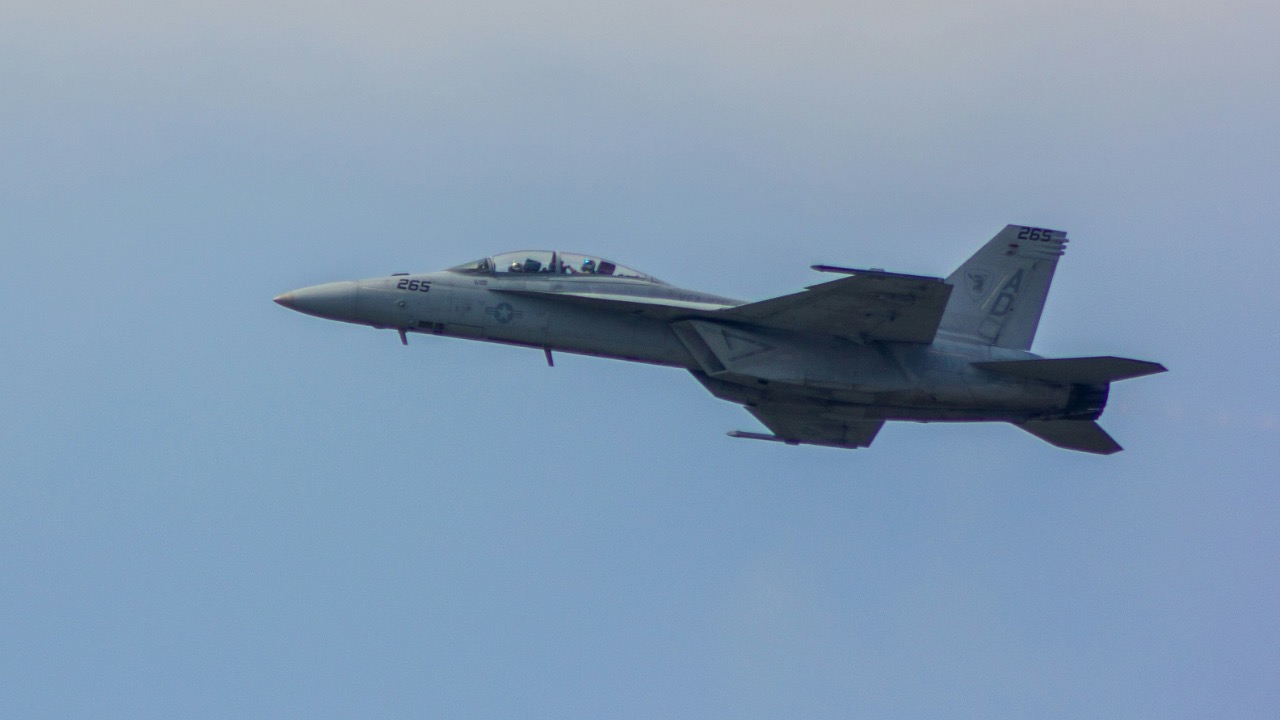
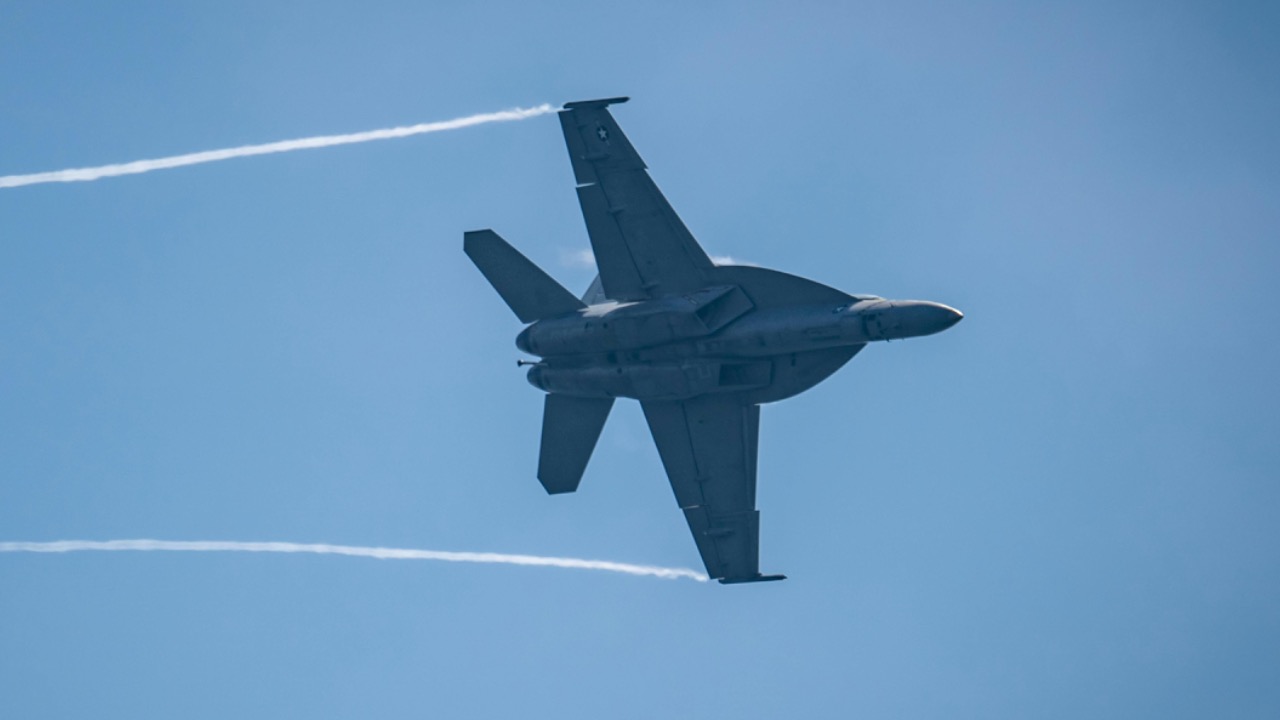
A U.S. Navy F/A-18 Super Hornet targeted the rudder of an Iranian-flagged oil tanker after its crew ignored repeated warnings. The vessel, loaded with no cargo but headed for an Iranian port, was attempting to run the American naval blockade. Precision shots from the jet’s 20-millimeter cannon left the ship unable to maneuver.
U.S. Central Command described the action as routine enforcement. No injuries were reported among the crew, and the tanker remained afloat. The move sent a clear signal that the blockade around Iran’s ports stays firmly in place, even as talks for a broader ceasefire gain momentum.
How the blockade took shape
The United States established the naval barrier to pressure Iran during the recent flare-up. Hundreds of commercial ships now sit idle in the Persian Gulf, their cargoes of oil and other goods unable to pass through the narrow Strait of Hormuz. American warships and aircraft patrol the area daily.
You notice the economic ripple effects almost immediately. Global energy markets watch every development here because roughly one-fifth of the world’s seaborne oil normally moves through this chokepoint. The blockade has already driven up shipping costs and delayed deliveries far beyond the region.
Trump’s call for a quick resolution
President Trump has made ending the conflict a priority. He publicly backed a peace framework that would reopen the strait and ease some restrictions on Iran in return for verifiable limits on its nuclear program. In recent statements he gave Tehran a short window to accept the terms or face stronger measures.
His approach mixes public pressure with private negotiations. Trump has described the current situation as one where both sides stand to gain from a deal, yet he has also warned that failure to agree would bring more decisive American action. The tanker incident happened just days after he highlighted progress in the talks.
What the jet actually did
The fighter jet came from a carrier group operating in the Gulf of Oman. Pilots fired several controlled bursts that damaged only the tanker’s steering mechanism. CENTCOM released video showing the strikes hitting precisely where intended.
This kind of limited, non-lethal disablement has become the standard tactic for enforcing the blockade. It stops the vessel without sinking it or risking a larger confrontation. Crews are given multiple chances to turn back before any shots are fired.
Iran’s side of the story
Iranian officials called the strike an act of aggression against a civilian ship. They maintain the tanker posed no threat and was simply trying to reach home waters. Tehran has used the episode to rally domestic support and criticize the U.S. presence in the region.
At the same time, Iranian diplomats continue reviewing the latest American proposals. The country’s leadership appears split between hard-line resistance and pragmatic interest in sanctions relief. The dual track—public condemnation paired with quiet talks—has become familiar in these negotiations.
The fragile ceasefire underneath
A month-old ceasefire has held in most places, but incidents like the tanker strike show how easily it can fray. Both sides accuse the other of testing the limits. U.S. forces report intercepting Iranian probes near the strait, while Iran claims American moves violate the spirit of the truce.
You sense the tension in every official statement. Neither Washington nor Tehran wants a return to full-scale fighting, yet each insists the other must blink first. The stakes remain high because any miscalculation could shut down oil flows for weeks.
Why the strait matters to everyone
The Strait of Hormuz connects the Persian Gulf to the open ocean. Tankers loaded with crude from Saudi Arabia, Iraq, and the United Arab Emirates all pass through its narrow channels. When traffic slows, prices at gas pumps around the world feel the impact within days.
Allies in Europe and Asia have urged both sides to reach an agreement quickly. Even countries that usually stay neutral on Gulf matters have expressed concern about the growing backlog of ships and the risk of higher energy costs heading into summer.
What happens next in the talks
Diplomats from both countries are expected to meet again soon. The latest U.S. proposal includes a timetable for lifting select sanctions once Iran takes concrete steps on uranium enrichment. Trump has said he wants the deal signed fast.
Regional players, including Saudi Arabia, are watching closely but have so far declined to join American escort operations. The coming days will test whether the tanker incident pushes the parties toward compromise or hardens their positions. For now, the blockade holds, the jets remain on alert, and the world waits to see if words can finally replace weapons in the Gulf.

Asher was raised in the woods and on the water, and it shows. He’s logged more hours behind a rifle and under a heavy pack than most men twice his age.