US forces disable Iranian tankers in Gulf of Oman
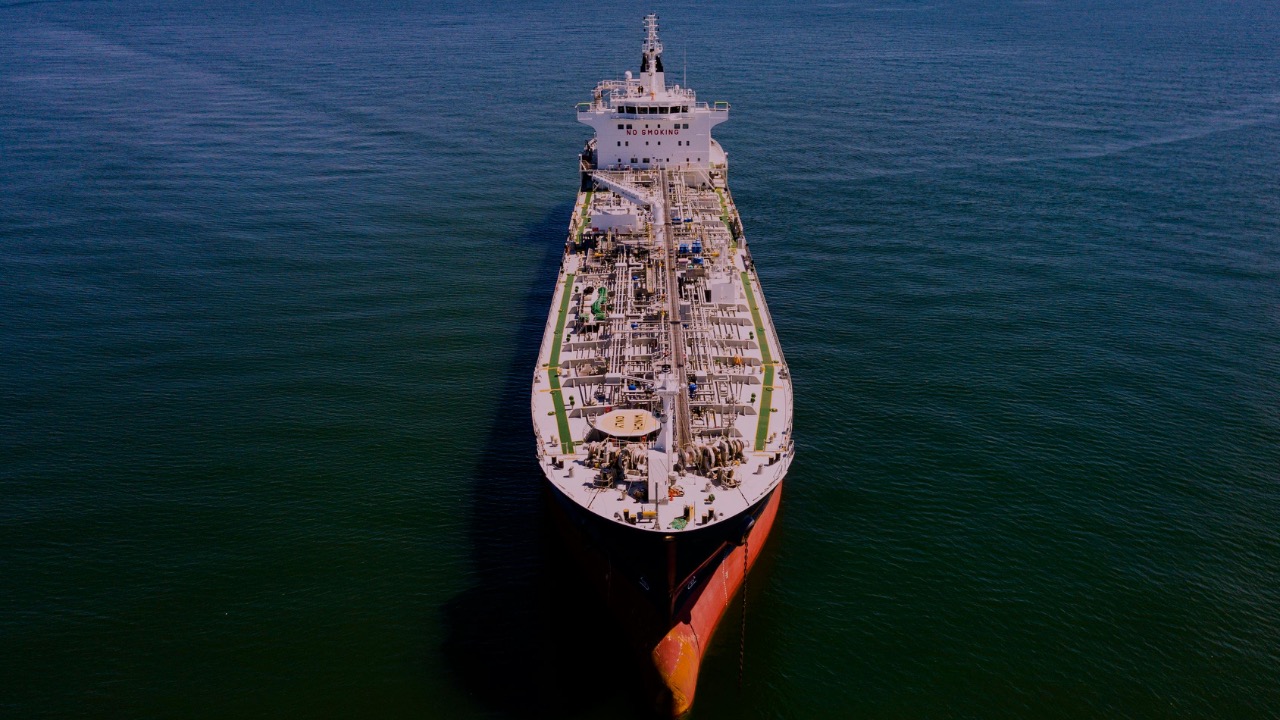
Recent moves by US forces in the Gulf of Oman have sharpened focus on the region’s fragile balance of naval power. You watch as American warships and aircraft enforce a blockade that Iran has repeatedly tried to challenge. In the space of just a few days, three Iranian-flagged oil tankers—empty and bound for home ports—were stopped cold. The operations relied on precision strikes from Navy fighter jets rather than boarding parties or heavy bombardment. Officials describe the actions as measured enforcement, yet they come amid a wider standoff that includes missile exchanges and competing claims over shipping lanes. What happened here reflects years of accumulated tension, careful rules of engagement, and a clear American intent to keep critical waterways under tight control without tipping into open war.
The context of the American blockade
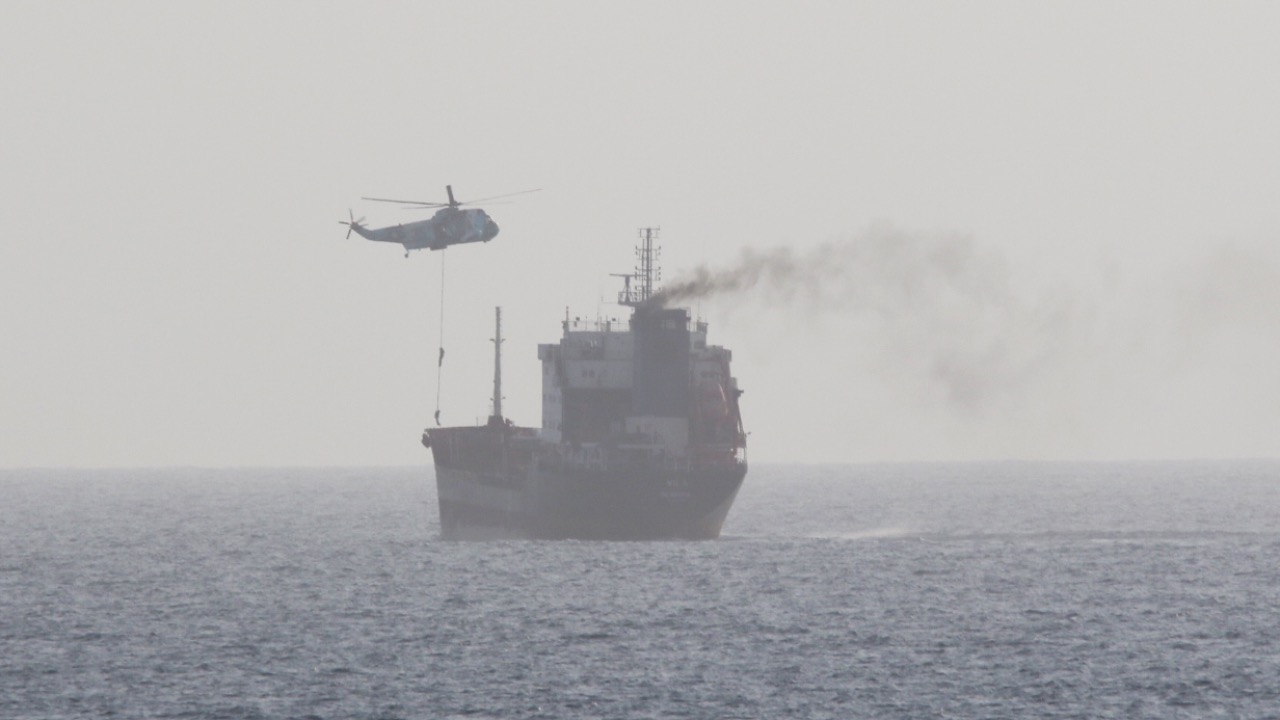
US Central Command has kept a naval blockade in place around Iranian ports for weeks. The goal centers on limiting the movement of oil tankers that could help Tehran sustain exports or store fuel during the current friction. You see how the measure targets vessels attempting to enter or leave specific coastal facilities along the Gulf of Oman. Iranian crews receive repeated radio warnings before any force is used. When those warnings go unheeded, American pilots step in with targeted shots meant to disable engines or steering rather than sink the ships. This approach minimizes environmental risk and avoids turning the incidents into full-scale confrontations while still achieving the blockade’s purpose.
The blockade fits into a larger pattern of pressure on Iranian maritime activity. Empty tankers heading inward could serve as floating storage or prepare to load crude once inside protected waters. By stopping them short, the US aims to tighten the economic squeeze without cutting off all civilian traffic in the busy strait. Observers familiar with the area note that such selective enforcement requires constant surveillance from carriers and patrol aircraft to separate compliant ships from those testing the limits.
The first tanker disabled on May 6
On May 6, the Iranian-flagged M/T Hasna drew the initial response. The unladen oil tanker moved through international waters toward an Iranian port when it ignored multiple warnings from US forces. An F/A-18 Super Hornet launched from the USS Abraham Lincoln took action. Pilots fired several rounds from the jet’s 20-millimeter cannon, striking the rudder and leaving the vessel unable to steer. Hasna stopped its progress toward Iran and remains adrift under observation.
That single engagement set a pattern. Crews had been told clearly what compliance required, yet they continued on course. The cannon fire was precise enough to cripple mobility while leaving the hull intact. No injuries were reported among the tanker’s crew, and the incident stayed limited to that one disabling shot. For anyone tracking these events, the May 6 strike illustrated how quickly the US could shift from verbal warnings to physical intervention when lines are crossed.
The double strike on May 8
Two days later, on May 8, the situation escalated with two more tankers. The M/T Sea Star III and M/T Sevda, both Iranian-flagged and empty, tried to reach the same coastal area. A Super Hornet operating from the USS George H.W. Bush responded. This time pilots used precision munitions aimed directly at the ships’ smokestacks, knocking out engine function without flooding the vessels or risking major spills. Both tankers halted short of Iranian waters and now sit disabled.
The back-to-back actions showed an evolving tactic. Instead of cannon fire on the rudder, the pilots chose the smokestacks as the target. That choice kept damage localized and easier to repair later, while still preventing the ships from moving forward. Video footage released by Central Command captures the strikes in clear detail, offering a public record of the measured force applied.
How the disabling strikes were carried out
Precision stands out as the common thread. In each case, Navy F/A-18s delivered fire that stopped propulsion or steering without destroying the hulls. For the May 8 tankers, munitions hit high on the superstructure where exhaust stacks rise. The May 6 shot focused on the exposed rudder. Both methods left the ships floating but immobile, allowing time for potential de-escalation or towing later. You notice the care taken to avoid collateral damage in waters already crowded with commercial traffic.
Such accuracy comes from years of training and advanced targeting systems on the Super Hornets. The jets launched from carrier decks hundreds of miles away, yet arrived on station ready to act within minutes of the final decision. This reach lets the US maintain the blockade across a wide stretch of the Gulf of Oman without keeping surface ships constantly in close contact with every suspect vessel.
The carriers providing air support
Two Nimitz-class carriers played central roles. The USS Abraham Lincoln supplied the jet that stopped the Hasna on May 6. Two days later, the USS George H.W. Bush launched the Super Hornet that handled the pair of tankers on May 8. Their presence in the region gives American commanders flexible air power that can respond rapidly across the strait and nearby waters. You see how carrier strike groups turn distant policy into immediate on-scene effect.
These ships carry more than just fighters. They coordinate with surveillance planes, drones, and surface vessels to build a full picture of traffic heading toward Iranian ports. That layered awareness helps separate routine merchant movement from deliberate attempts to breach the blockade, reducing the chance of mistaken identity.
Warnings given before force
In every incident, US forces broadcast clear warnings first. Radio calls instructed the tankers to alter course and comply with the blockade. Only after repeated non-compliance did pilots receive authorization to fire. This sequence appears in official statements and matches the pattern seen in earlier enforcement actions. The process gives crews a final chance to turn around and avoids surprise engagements.
Such warnings also create a public record. When footage later surfaces, viewers can trace the timeline from verbal alerts to disabling shots. The approach underscores an effort to stay within rules of engagement that prioritize de-escalation while still protecting the blockade’s integrity.
Iran’s reaction and counter-move
Iran quickly condemned the strikes and described them as reckless. Within hours, its Revolutionary Guard forces seized a commercial tanker in the Gulf of Oman during what Tehran called a special operation. Officials in Tehran framed the US actions as aggression aimed at disrupting its oil trade. The seizure served as an immediate counter-signal, showing that Iran could impose costs of its own on shipping in the same waters.
The exchange highlights the mirror-image strategies at play. While the US disables Iranian vessels to enforce its policy, Iran responds by targeting other ships to raise the stakes for everyone moving through the strait.
The strategic stakes for global shipping
The Gulf of Oman serves as the gateway to the Strait of Hormuz, through which roughly one-fifth of the world’s traded oil normally flows. Even short disruptions ripple across energy markets and insurance rates for tankers. You recognize why both sides treat these waters as vital ground worth contesting with measured force. The recent tanker incidents add another layer of caution for commercial operators already navigating heightened alerts and rerouting options.
Longer term, the pattern tests whether the blockade can hold without drawing in more actors or sparking unintended escalation. So far the actions have remained limited to disabling empty tankers rather than sinking ships or hitting shore facilities. That restraint keeps the focus on enforcement rather than outright combat, though the margin for error stays narrow in such a congested maritime chokepoint.

Asher was raised in the woods and on the water, and it shows. He’s logged more hours behind a rifle and under a heavy pack than most men twice his age.