The range habit that quietly destroys accuracy
You can spend all summer at the range and still miss when it matters. That’s the hard truth most shooters run into sooner or later. It’s not always your rifle, your ammo, or even your optics—it’s the habits you build without realizing it.
The range is supposed to sharpen you. But certain routines, especially the comfortable ones, can quietly work against you. You repeat them enough, and they become your default under pressure. When the shot finally counts, those habits show up whether you want them to or not. Here’s where accuracy starts slipping—and how it creeps in.
Shooting Only From the Bench Builds a False Sense of Accuracy
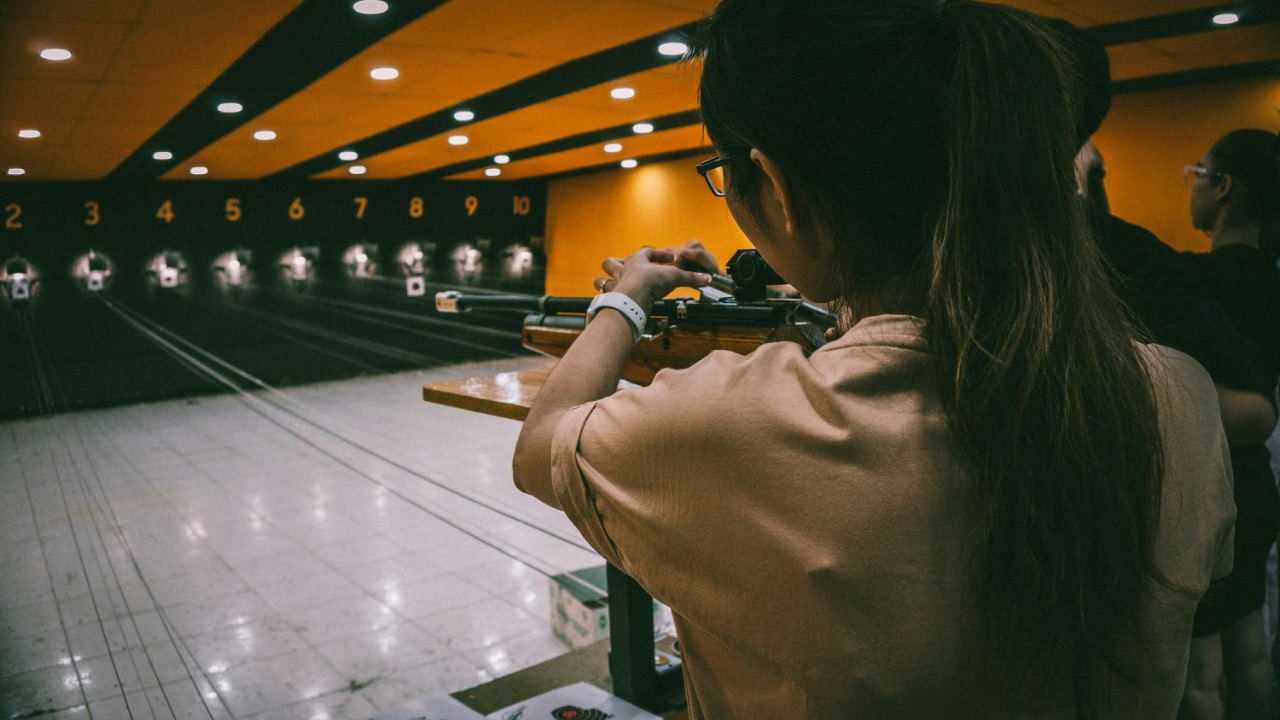
The bench is steady, predictable, and forgiving. It takes a lot of the human error out of the shot, which is useful when you’re zeroing a rifle. But if that’s where all your time is spent, you’re training for a situation you won’t face in the field.
When you step away from that setup, things change fast. Your body becomes the rest. Your breathing, your balance, and your trigger control all matter more. If you haven’t practiced that, your groups open up. The bench didn’t make you better—it covered up what needed work.
Rushing Shots Instead of Building a Process
A lot of shooters treat the range like a race. Load, fire, check, repeat. The rhythm feels productive, but it skips over the part that actually builds consistency.
Good shooting comes from a repeatable sequence—position, breath, sight picture, trigger press. When you rush, that sequence breaks down. You start chasing impacts instead of controlling them. Over time, that turns into scattered groups and no clear reason why. Slowing down feels like less work, but it’s where real improvement happens.
Ignoring Natural Point of Aim
You can muscle a rifle onto target, and at the bench, you might not notice the difference. Out in the field, that shortcut shows up in a hurry.
Natural point of aim means your body is aligned so the rifle settles on target without effort. If you’re forcing it, you’re fighting your own position. That tension leads to movement during the shot. It’s small, but it’s enough to throw you off, especially at distance. If you’re not checking this at the range, you’re building inconsistency into every trigger press.
Failing to Follow Through After the Shot
A lot of shooters treat the shot like it ends the moment the trigger breaks. They lift their head, shift position, or glance up to see the impact.
That movement happens too early. The bullet hasn’t even left the barrel when you start coming off the rifle. Follow-through means staying in position, maintaining sight picture, and letting the shot complete without interference. Skip that, and you introduce variables you can’t control. It’s one of the quieter habits, but it shows up clearly on target.
Over-Reliance on Perfect Conditions
Range days tend to happen in good weather. Light wind, clear visibility, stable footing. It’s comfortable, and it makes shooting easier to manage.
The problem is, real shots rarely come with those conditions. Wind shifts, awkward angles, uneven ground—all of it changes how you shoot. If you only practice when things are ideal, you’re not building the skills to handle anything else. When conditions get tough, your accuracy drops because you’ve never trained for it.
Not Practicing Realistic Shooting Positions
Standing, kneeling, prone without support—these aren’t optional in the field. They’re often the only positions you get.
At the range, it’s easy to avoid them. They’re less stable, more tiring, and your groups won’t look as good. But that’s exactly why they matter. If you don’t train those positions, you’re leaving a gap in your ability. When the moment comes, you’re forced into a position you haven’t practiced, and the result usually shows it.
Chasing Group Size Instead of Building Skill
Tight groups feel good. They’re easy to measure, easy to compare, and easy to chase. But focusing only on group size can pull your attention away from what actually creates it.
You start adjusting gear, tweaking loads, and making changes shot to shot. Meanwhile, the fundamentals get less attention. Good groups are the result of solid habits, not the goal itself. If you’re only looking at the target and not how you got there, you’re missing the part that carries over into real-world shooting.
Neglecting Dry Fire and Trigger Control
Live rounds get all the attention, but trigger control is built without them. Dry fire shows you exactly what your rifle is doing when the shot breaks.
If your sights jump, dip, or drift, you see it immediately. That feedback is harder to catch with live fire, especially when recoil gets involved. Skipping this part means you’re relying on guesswork to fix your shot. A few minutes of focused dry fire does more for consistency than a rushed box of ammo.
Accuracy doesn’t fall apart all at once. It slips, little by little, through habits that feel normal at the time. The range should expose those habits, not reinforce them.
If you pay attention to how you’re practicing—not how many rounds you’re sending—you’ll start to see the difference where it counts.

Asher was raised in the woods and on the water, and it shows. He’s logged more hours behind a rifle and under a heavy pack than most men twice his age.