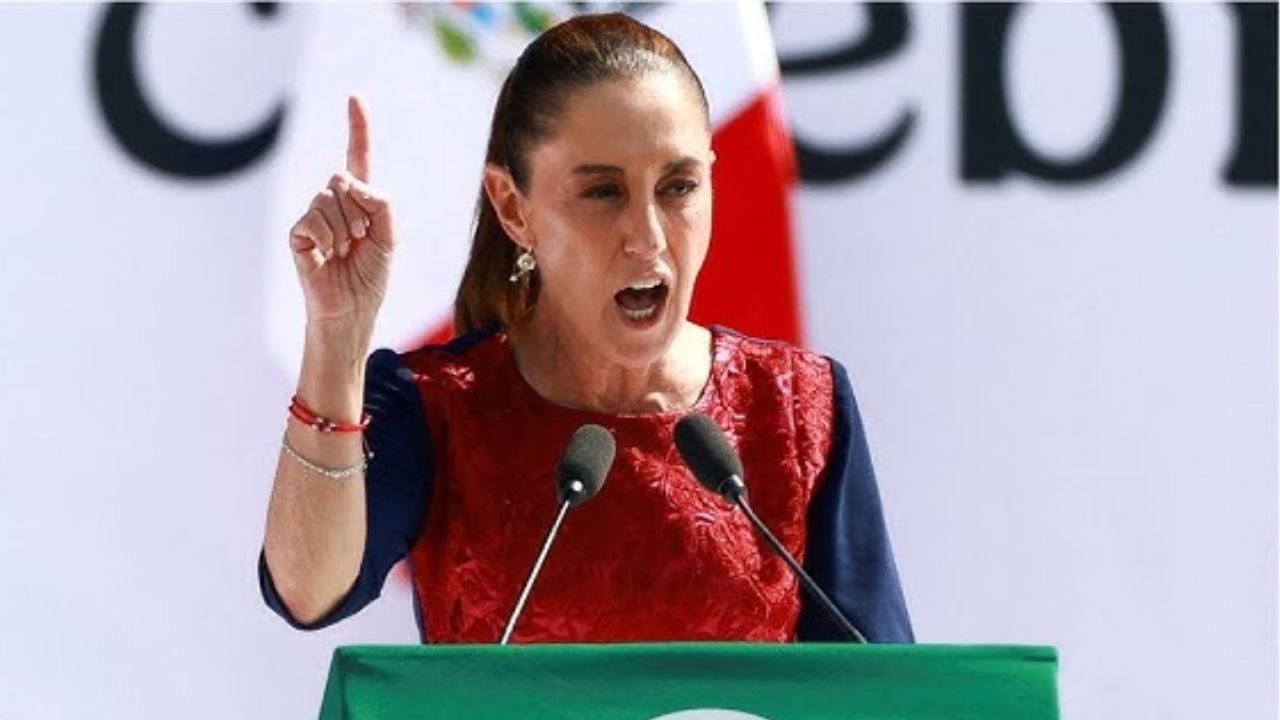
Mexican president vows to shield cartels and corrupt politicians from foreign interference in defiant public statement
A controversial statement from Mexico’s president has sparked backlash after critics accused the administration of pushing back against outside pressure tied to cartel activity and political corruption. The remarks came during a public response to growing international calls for tougher action against organized crime networks operating across parts of the country.
Supporters of the administration argue the comments were about protecting Mexico’s sovereignty and rejecting foreign involvement in domestic affairs. Critics, however, interpreted the statement very differently, claiming it sounded like an attempt to shield powerful figures from outside scrutiny at a time when cartel violence and corruption concerns remain major issues.
Rising pressure over cartel violence
The debate comes as cartel-related violence continues to dominate headlines in both Mexico and the United States. Criminal organizations remain heavily involved in drug trafficking, extortion, human smuggling, and territorial conflicts that have destabilized parts of the country for years.
Foreign governments, especially the U.S., have pushed for stronger cooperation on security and border enforcement. Some American lawmakers have even floated more aggressive ideas involving direct action against cartel operations, which Mexican officials strongly oppose.
Concerns about corruption and political influence
Accusations of corruption tied to local officials and organized crime have long been part of Mexico’s political landscape. Investigations over the years have uncovered cases involving bribery, protection networks, and alleged cooperation between criminal groups and public officials.
Because of that history, statements about resisting “foreign interference” often trigger suspicion from critics who believe outside pressure is sometimes necessary to expose corruption. Supporters of the government argue those accusations unfairly paint the entire political system as compromised.
Sovereignty remains a major issue
Mexico has historically been sensitive to foreign involvement in its internal affairs, especially when it comes to security and military-related proposals. Leaders across different political parties have often framed outside intervention as a threat to national independence.
That’s part of why the president’s comments gained so much attention. To supporters, the message was about defending national control over law enforcement and political matters. To critics, it sounded like resistance to accountability during a period of growing violence and public frustration.
U.S.-Mexico tensions continue to grow
The issue also reflects broader tension between the United States and Mexico over border policy, cartel activity, and cross-border security. American officials continue to pressure Mexico for stronger enforcement efforts, while Mexican leaders accuse some U.S. politicians of using the cartel issue for political gain.
As both sides continue exchanging criticism, the relationship becomes more complicated. Cooperation still exists in many areas, but public statements like these show how quickly disagreements over security and sovereignty can escalate into larger diplomatic disputes.
What happens next
For now, the controversy is likely to remain part of an ongoing political fight rather than a single isolated moment. Cartel violence, corruption allegations, and foreign pressure are all issues that continue to shape public opinion in both countries.
Whether the statement was intended as a defense of sovereignty or something more controversial, it has clearly intensified debate around how Mexico should respond to organized crime and how much outside involvement should be accepted moving forward.

Leo’s been tracking game and tuning gear since he could stand upright. He’s sharp, driven, and knows how to keep things running when conditions turn.