10 famous dogs that died during film productions
Working animals have always been part of filmmaking, especially dogs. They bring realism and emotion to the screen that’s hard to fake. But behind the scenes, productions haven’t always gone as smoothly as the final cut suggests. Over the years, there have been incidents—some confirmed, some disputed—that raised serious questions about how animals are handled on set.
If you spend enough time around film history, you learn to separate verified cases from stories that get repeated without proof. What follows are documented situations, industry-reported incidents, and a few controversial productions that still get talked about for the wrong reasons.
Snow Buddies (2008)
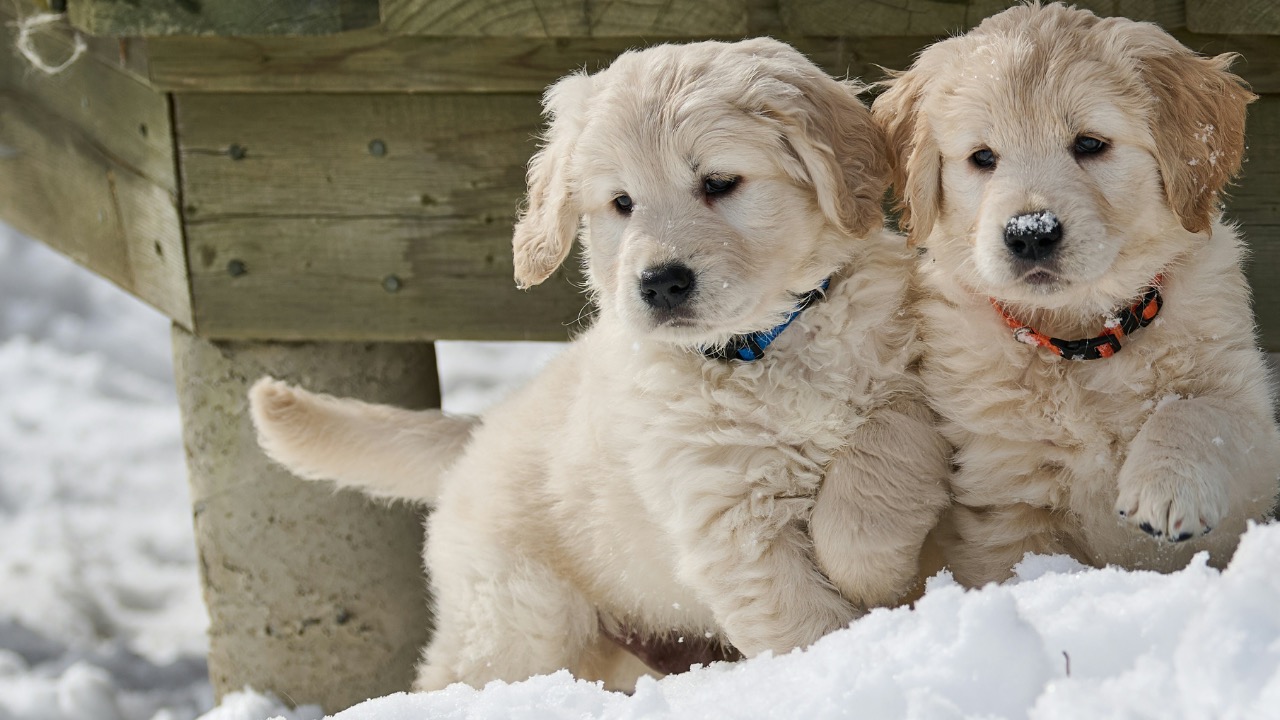
During the filming of Snow Buddies, a Disney production, multiple golden retriever puppies died after being exposed to canine parvovirus. The outbreak spread quickly among the young dogs, and despite veterinary care, several didn’t survive.
The incident led to a temporary shutdown of production and drew national attention. The American Humane Association, which monitors animal safety in film, launched an investigation. The situation highlighted how quickly disease can spread in tightly controlled environments when large numbers of animals are involved. It remains one of the clearest, documented cases where animal deaths occurred during a major studio production.
The Adventures of Milo and Otis (1986)
This film has long been surrounded by controversy regarding animal safety. Reports—largely from animal rights groups—have claimed that multiple animals, including dogs, were injured or killed during production.
However, it’s important to note that many of these claims have never been fully verified with official records. What is certain is that the film used numerous animals for different scenes, which raises concerns about oversight at the time. Even decades later, the movie is still referenced in discussions about how animal welfare standards in filmmaking have evolved.
Eight Below (2006) – Production Concerns
While no confirmed dog deaths were reported during filming of Eight Below, the production faced scrutiny over how sled dogs were handled in extreme cold conditions. Animal welfare organizations monitored the shoot closely due to the demanding environment.
The film serves as an example of how modern productions operate under stricter guidelines. Veterinarians, trainers, and safety officers were present throughout filming. Though no fatalities were confirmed, the attention around the production reflects how cautious studios have become after earlier incidents in the industry.
Snow Dogs (2002) – Stunt Risks
Snow Dogs involved complex sledding scenes and stunt work with trained dogs. While there were no confirmed deaths tied directly to production, there were concerns raised about the risks involved in high-speed sequences.
The film is often mentioned in industry discussions about how animal stunts are managed. Trainers worked closely with crews to minimize danger, and safety protocols were more advanced than in earlier decades. It represents a period where filmmaking began shifting toward tighter oversight, even if risks were still part of the process.
A Dog’s Purpose (2017) – Controversy Without Fatalities
During production of A Dog’s Purpose, a video surfaced showing a German Shepherd appearing distressed during a water scene. The footage sparked public outrage and led to an investigation.
No dog deaths were confirmed, and subsequent reports stated that the dog was not harmed during filming. Still, the backlash was significant enough to delay the film’s premiere. The incident underscores how public awareness has changed. Today, even perceived mistreatment can draw immediate scrutiny, forcing studios to maintain higher transparency.
Industry Shift After Early Incidents
While not tied to a single film, earlier decades of filmmaking saw far fewer protections for animals on set. Reports from older productions—many involving multiple species—suggest that safety standards were inconsistent at best.
As these stories circulated, whether confirmed or not, they pushed the industry toward reform. Organizations like the American Humane Association now play a major role in monitoring productions. Modern films operate under strict guidelines, including veterinary supervision and controlled environments. The shift didn’t happen overnight, but it came as a direct response to concerns raised by incidents involving animals, including dogs.

Asher was raised in the woods and on the water, and it shows. He’s logged more hours behind a rifle and under a heavy pack than most men twice his age.