Russia announces ‘full partnership’ with Afghan Taliban
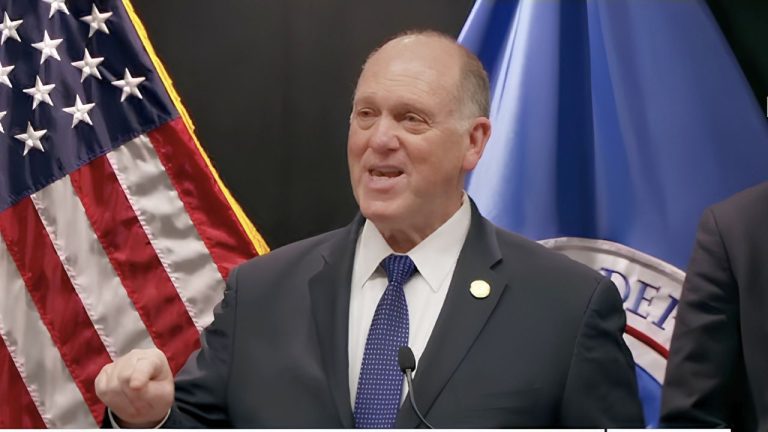
Russia has laid out a clear shift in how it deals with Afghanistan. On May 14, Sergei Shoigu, secretary of the Russian Security Council, spoke at a gathering of the Shanghai Cooperation Organization in Kyrgyzstan. He described the relationship with Kabul as a full-fledged partnership that now covers political contacts, security matters, trade, and cultural exchanges. You see this as part of a pattern that started when Moscow became the first country to recognize the Taliban administration last July, after the group had taken power in 2021 following the American withdrawal. The announcement comes at a time when Russia wants to stabilize its southern borders and limit threats from militant groups operating inside Afghanistan.
Moscow Signals Deeper Engagement with Kabul
Sergei Shoigu delivered the news during the regional security talks. He explained that Russia had built a pragmatic dialogue with the Taliban authorities to address shared concerns about stability. Cooperation now stretches across several areas that matter for both sides. You notice how this language marks a departure from earlier caution, even though the Taliban remained on Russia’s terrorist list until early 2025.
The statement also urged other SCO members to step up their own contacts with Kabul. Shoigu pointed out that working together on security and development would benefit the wider Central Asian neighborhood. Officials in Moscow appear convinced that isolating the Taliban government no longer serves their interests.
The Path from Recognition to Partnership
Russia lifted its ban on the Taliban in April 2025 and formally recognized the government three months later. By January 2026 it had accepted the credentials of the Taliban-appointed ambassador in Moscow. These steps paved the way for the latest declaration. You can follow the sequence and see how each move removed legal and diplomatic barriers that once kept relations at arm’s length.
Shoigu reminded his audience that the partnership grew out of practical needs rather than sudden affection. The focus remains on concrete results in security and the economy. Moscow has hosted Taliban delegations and held early trade discussions, including a recent economic commission meeting in Kazan. Each action has built on the last without fanfare.
Security Remains the Central Concern
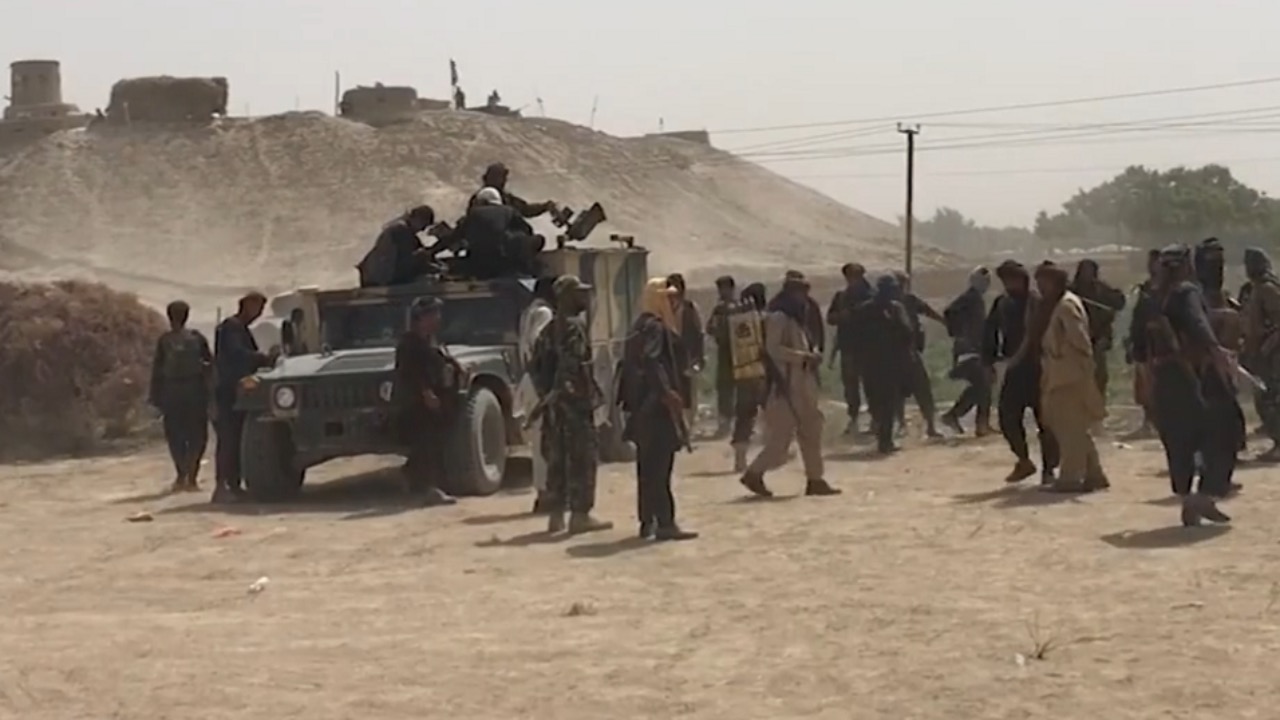
Up to 23,000 fighters from more than twenty militant groups still operate inside Afghanistan, according to Russian estimates. Shoigu credited the Taliban with conducting a fierce campaign against Islamic State affiliates, who have carried out deadly attacks in the region. You understand why this matters to Moscow, given the risk that instability could spill across borders into former Soviet republics.
Russian officials have also pushed back against any new foreign military bases in Afghanistan. They argue that the United States bears primary responsibility for rebuilding the country after two decades of war. The partnership aims to counter these threats through closer coordination rather than confrontation.
Trade and Humanitarian Work Take Shape
Beyond security, the two sides are exploring ways to increase trade and transit routes. Early talks have touched on economic projects that could link Afghanistan more firmly into Central Asian markets. You see the practical side here, as Russia looks for new partners while facing sanctions elsewhere. Humanitarian assistance forms another piece of the relationship, with cultural exchanges mentioned as well.
These efforts remain in early stages, yet they signal Moscow’s intent to treat the Taliban government as a functioning authority. Progress on the ground will depend on how reliably Kabul delivers on its promises regarding border control and counterterrorism. For now, the framework exists for steady, low-profile cooperation.
Neighbors Are Being Pulled into the Picture
Shoigu used the SCO platform to call on other member states to expand their dealings with Kabul. The organization includes China, India, Pakistan, Iran, and several Central Asian countries that share borders or security worries with Afghanistan. You recognize the strategic logic: if Russia leads the way, it hopes others will follow and reduce the Taliban’s isolation.
The revival of an SCO contact group on Afghanistan is part of that push. Regional players have their own reasons to engage, from managing refugee flows to securing trade corridors. Moscow’s announcement frames the partnership as a collective opportunity rather than a unilateral Russian project. How far the neighbors go will shape the next chapter in Afghanistan’s return to the international stage.

Asher was raised in the woods and on the water, and it shows. He’s logged more hours behind a rifle and under a heavy pack than most men twice his age.