HOA blocks homeowner from cutting firewood trees — even for heating
When a late cold snap hit northern Arizona, homeowner Daniel Reeves wasn’t thinking about HOA bylaws—he was thinking about staying warm. His property backed up to a stretch of scrubby woodland filled with dead and dying juniper, the kind locals routinely clear for firewood. But when Reeves began cutting a few trees for his wood stove, a notice from his homeowners association showed up within days, ordering him to stop immediately.
The HOA cited landscaping restrictions and a clause prohibiting the removal of “natural vegetation” without prior approval. Reeves pushed back, arguing the trees were both a fire hazard and a practical heating source. The board disagreed, insisting the rules applied regardless of intent.
Heating Costs Leave Few Alternatives
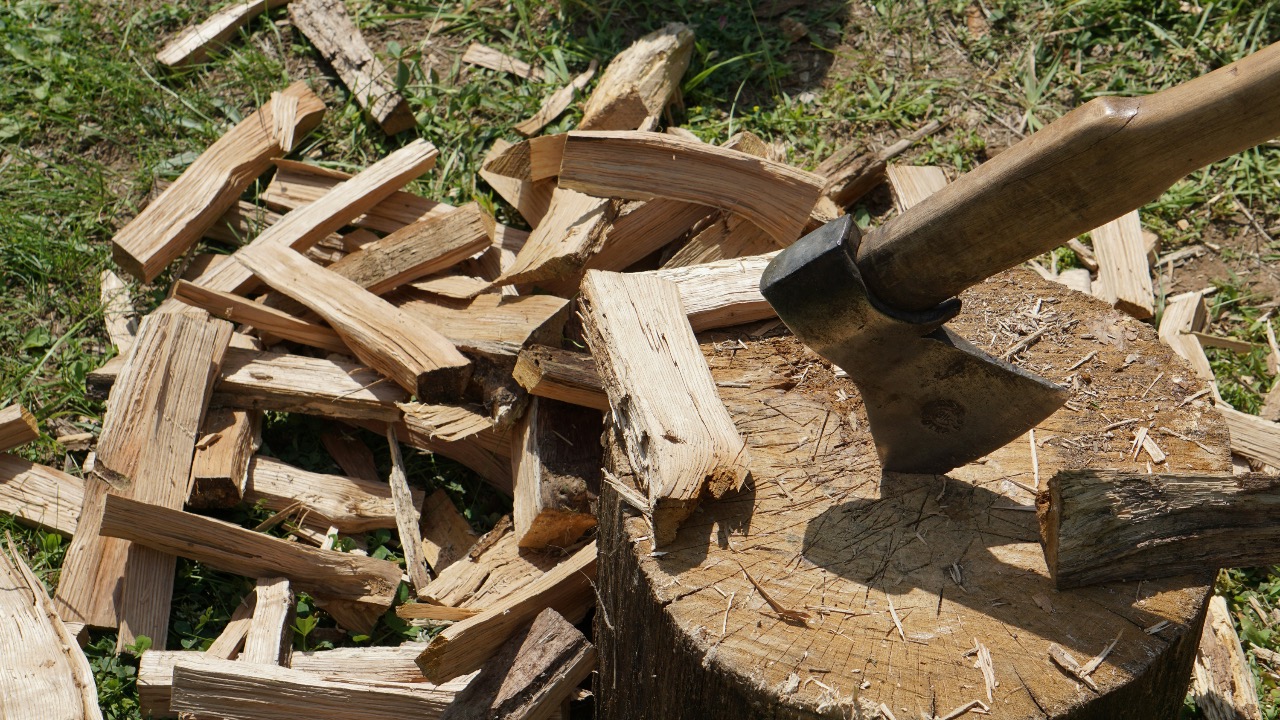
Reeves’ situation wasn’t unique. Several neighbors had already seen their heating bills spike during the colder months, with propane deliveries becoming less predictable and more expensive. For many in the area, wood-burning stoves weren’t a luxury—they were a backup plan when utilities failed or costs climbed too high.
According to Reeves, the trees he targeted were already dead or overcrowded, posing more risk than benefit. Thinning them out, he argued, would reduce wildfire danger while providing usable firewood. Still, the HOA maintained that any alteration to the natural landscape required a formal review process, one that could take weeks—time Reeves didn’t have.
The Enforcement That Sparked Backlash
The situation escalated when the HOA issued a fine after Reeves continued cutting despite the warning. That move didn’t sit well with other residents, especially those who relied on similar methods to manage their land. What started as a quiet dispute quickly turned into a broader conversation about how rigid rules can clash with real-world needs.
At a community meeting, several homeowners questioned whether the board understood the conditions on the ground. They pointed out that wildfire mitigation often involves clearing deadwood, not preserving it. Others raised concerns about enforcing aesthetic standards at the expense of safety and affordability.
A Compromise That Came Too Late
Facing mounting pressure, the HOA eventually offered a compromise: expedited approval for limited tree removal under specific conditions. But by then, the damage had been done. Reeves had already paid fines, and trust between residents and the board had taken a hit.
The revised policy allowed for deadwood removal with minimal oversight, though it still required documentation and post-cut inspections. While some saw it as a step in the right direction, others viewed it as an example of how slow-moving governance can fail in urgent situations.
A Broader Lesson for HOA Communities
Reeves’ case highlights a common tension in HOA-managed neighborhoods—balancing uniform standards with individual needs. Rules designed to preserve property values can sometimes overlook practical realities, especially in rural or semi-rural areas where self-sufficiency matters.
For many residents, the takeaway wasn’t about one homeowner cutting trees. It was about flexibility. When policies don’t account for changing conditions—whether it’s weather, cost of living, or safety risks—they can create more problems than they solve. In this case, a few cords of firewood became the center of a much larger debate.

Asher was raised in the woods and on the water, and it shows. He’s logged more hours behind a rifle and under a heavy pack than most men twice his age.