
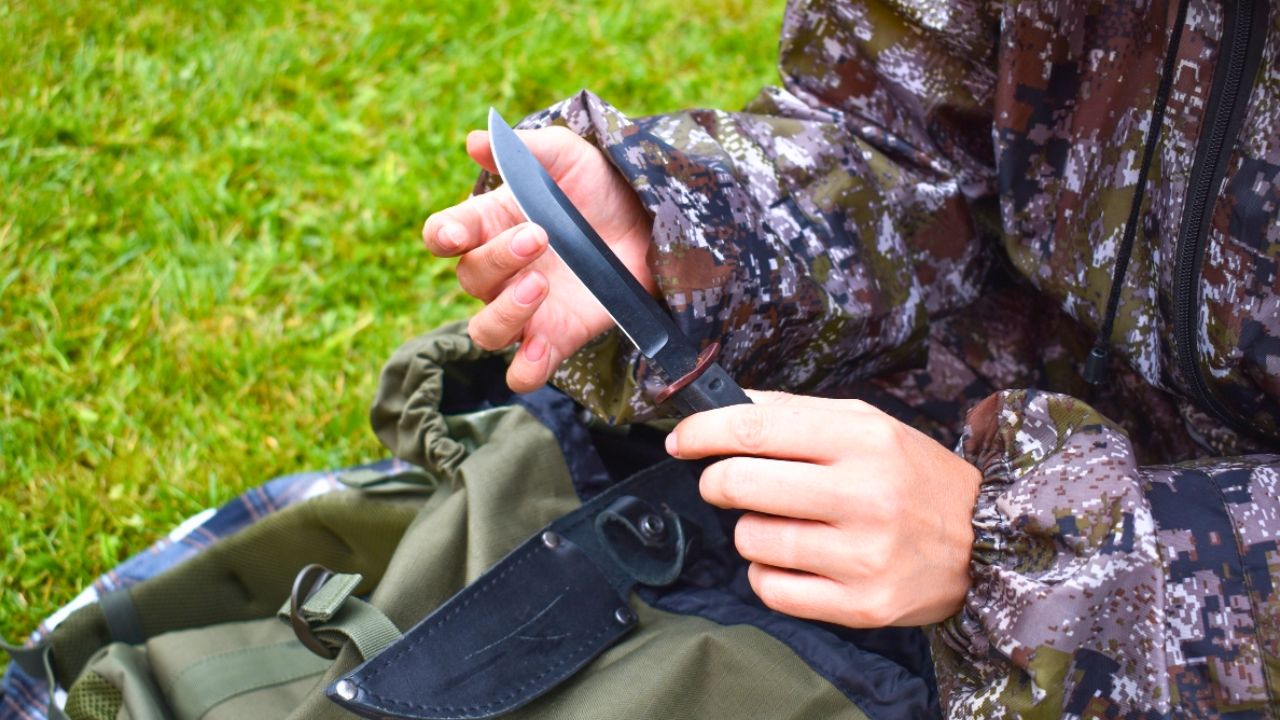
10 Knife Mistakes That’ll Leave You Hurting Off-Grid
Your knife’s the one tool you can’t afford to get wrong when you’re off-grid. Mess this up, and you’re looking at busted blades, cut fingers, or worse—being stuck without a working edge when you actually need it.
Doesn’t matter how tough your pack looks or how dialed your kit is. If your knife’s wrong—or you’re using it wrong—you’re gonna feel it fast. These are the mistakes that get guys hurting, stranded, or downright miserable in the backcountry.
Packing a Folding Knife as Your Primary

Folders are handy, sure. But when things get ugly, a folding knife isn’t the tool that saves the day. Hinges fail. Locks break. And prying, batoning, or hammering on a folder is a fast way to end up with a busted knife and bleeding hands.
Carry a folder for quick tasks, but your primary blade out there better be full tang, fixed, and ready to handle real work—like splitting kindling, skinning game, or building shelter.
Choosing Cheap Steel
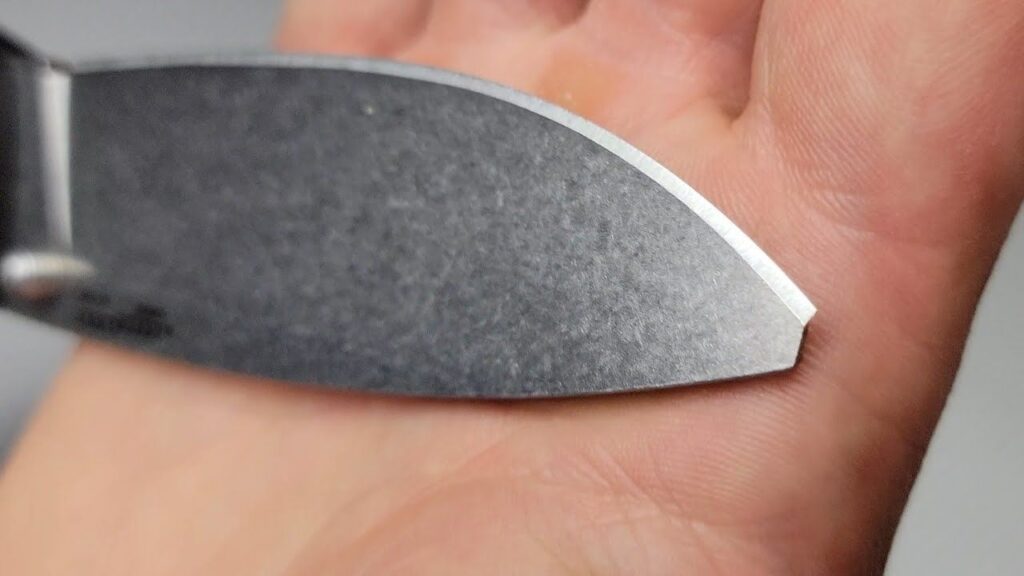
Cheap steel looks good until it’s time to use it. Soft steels roll edges. Brittle steels chip. And stainless stamped garbage blades won’t hold up to one solid session of fire prep.
When the knife fails, you’re the one paying for it. A busted edge off-grid means no fire, no food, and no backup plan. Don’t skimp. Get a blade with proven steel—something that sharpens clean and holds that edge when you need it.
Running Too Thin of a Blade
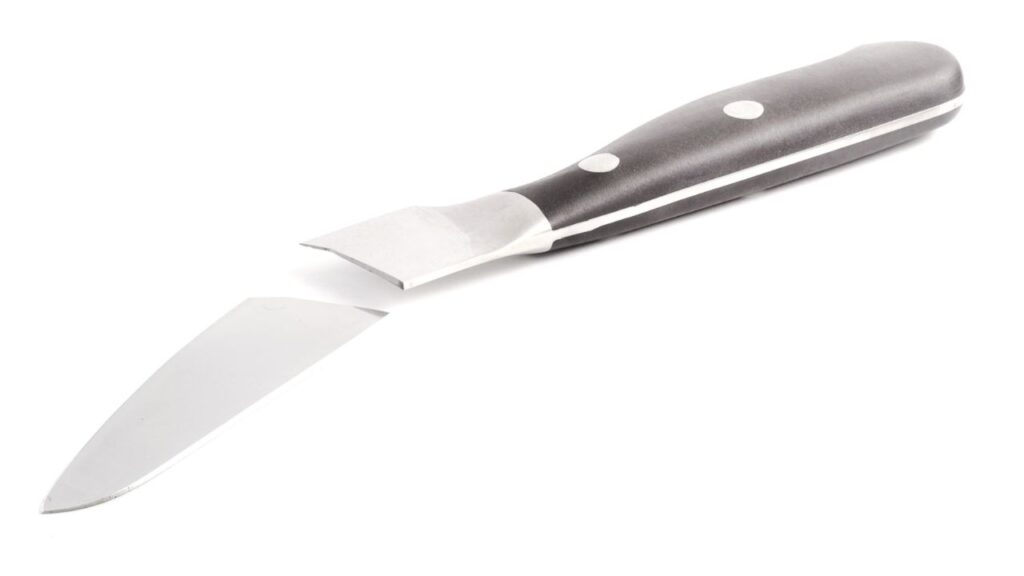
A thin blade might slice well in the kitchen, but out here, it’s a liability. Thin tips snap. Thin spines can’t baton. And when you start prying or twisting on something, that knife’s gonna fold before the job’s done.
A survival knife needs thickness. Quarter-inch steel? Perfect. Anything less than an eighth, and you’re asking for a failure when the job goes from delicate to downright ugly.
Skipping a Sharpener
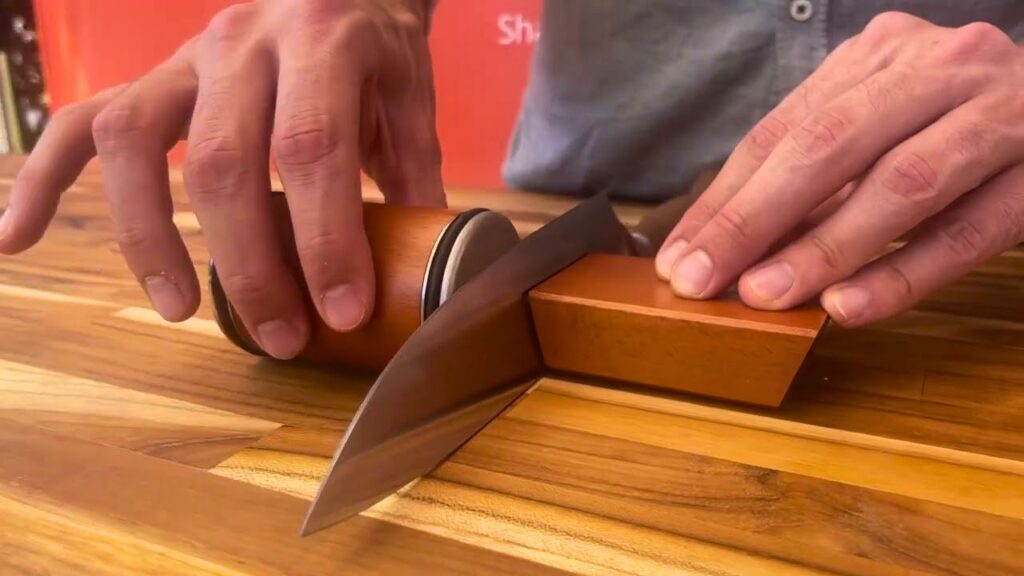
If you don’t pack a way to sharpen it, your knife’s already halfway useless. Off-grid, edges dull fast. Fire prep, hide work, food—every task chews that edge down.
It doesn’t need to be fancy. A pocket stone, a strop, even a ceramic rod will do. But if you don’t carry one, you’re betting the trip on an edge that’s not gonna hold forever. Dumb bet.
Ignoring Handle Ergonomics
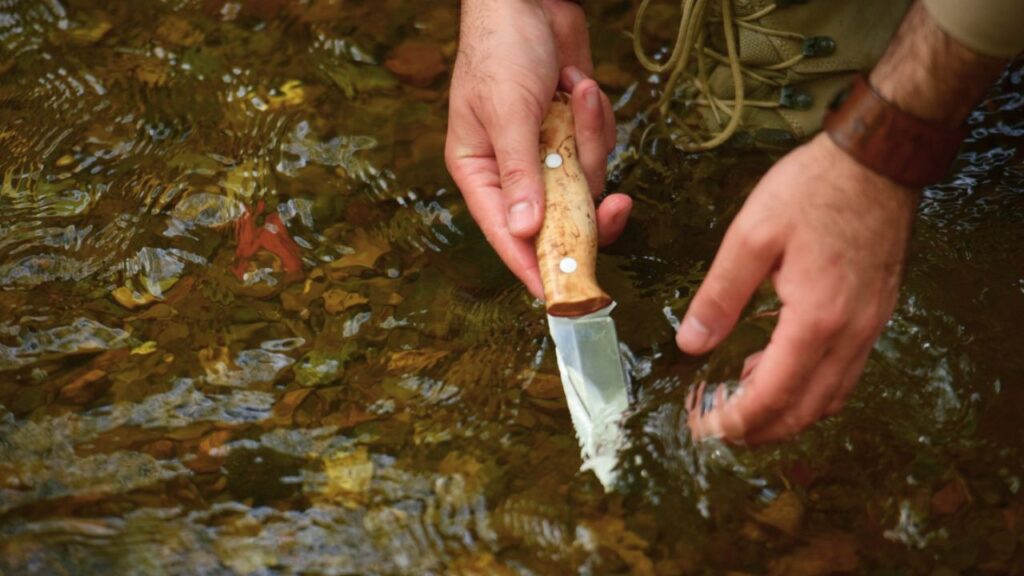
Plenty of knives look good but feel terrible when you actually use them. Hot spots, sharp edges, and slick grips turn a tool into a liability fast.
When your hands are wet, frozen, or raw from hard work, that handle better fit like it belongs there. If it doesn’t, you’re dealing with blisters, cramps, or worse—slipping when you’re pushing hard through something that could take a finger off.
Using the Tip for Prying
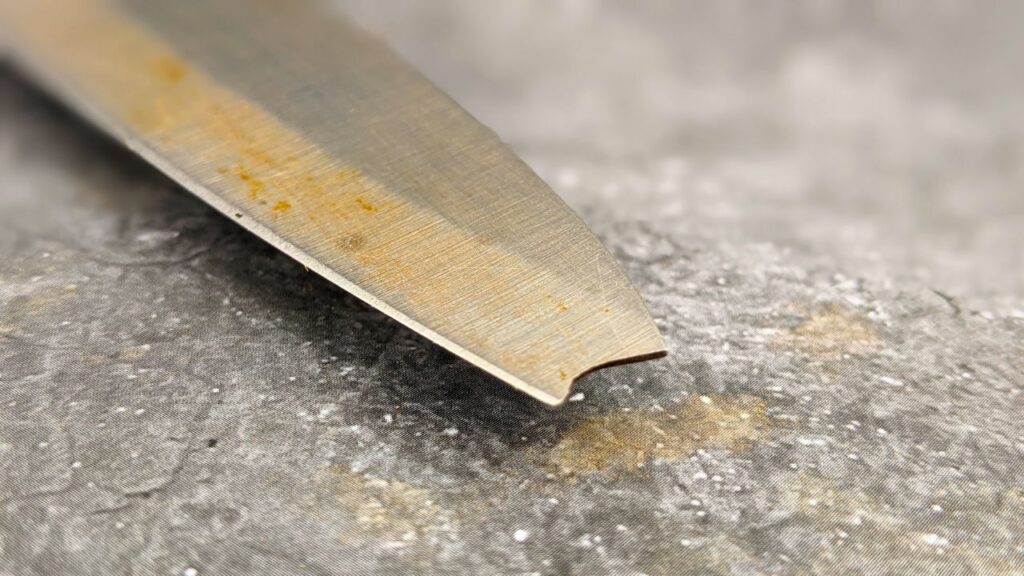
Snap. That’s what happens when you jam the tip of your knife into a knot or frozen gear and try to pry it loose. Knife tips aren’t crowbars. Even thick ones don’t like sideways force.
Pry with the spine. Pry with the handle. Pry with a stick if you have to. But snap that tip, and now your knife’s half as useful as it was—and you’re not fixing it in the field.
Not Learning How to Use a Ferro Rod
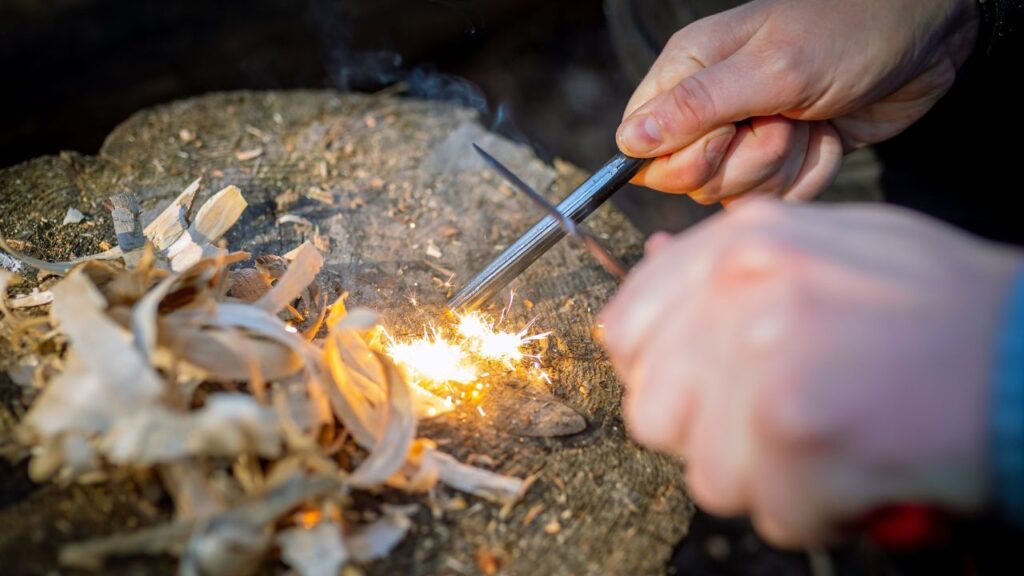
Plenty of guys buy a knife with a squared spine and a ferro rod loop… and never practice using it. Then they get out there, it’s wet, cold, and nothing lights.
If your knife’s gonna throw sparks, you better know how to do it right. Practice before it matters. The time to figure it out isn’t when the sun’s going down and you’re still fireless.
Thinking Stainless Means Indestructible
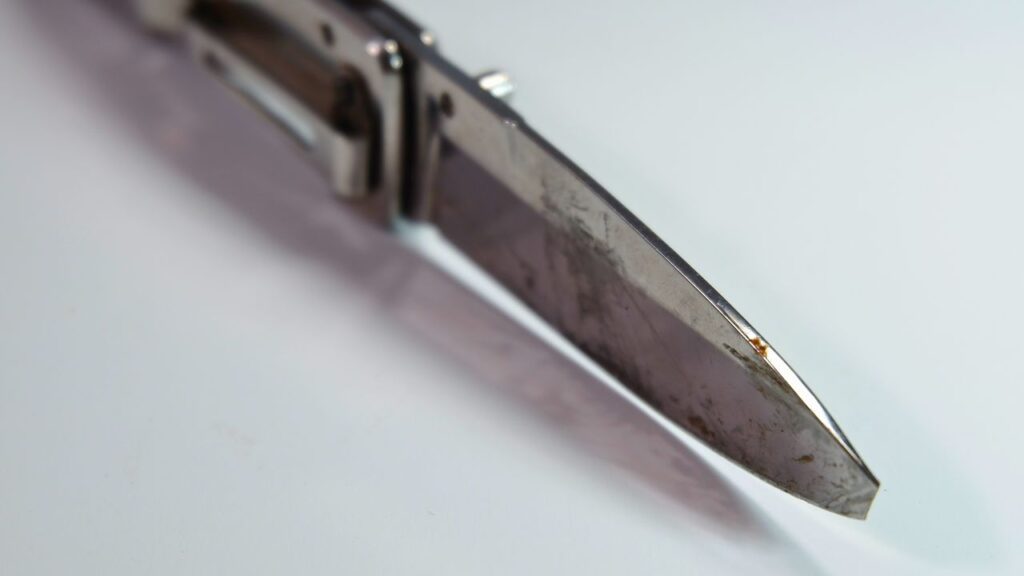
Stainless doesn’t mean bulletproof. It means rust-resistant. You can still chip it, bend it, and roll the edge if you treat it wrong. Worse, some stainless steels are soft junk that won’t hold an edge at all.
Don’t fall for marketing. Know the steel. Know what it can take. A tough carbon steel beats soft stainless every time when the job gets real.
Skipping a Sheath That Actually Works
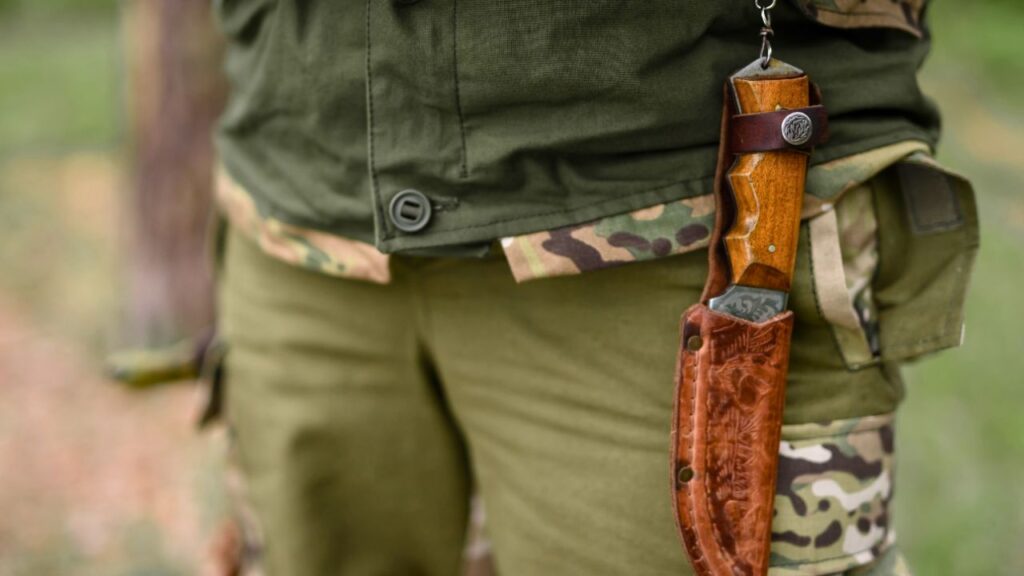
That bargain-bin sheath might hold your knife at the store, but it’s not gonna hold it when you’re belly crawling through deadfall or sliding down shale.
A good sheath locks the blade in. It rides tight. It won’t fall off your belt, your pack, or your leg. Lose your knife out here, and you’ve lost your most important tool.
Expecting One Knife to Do Everything
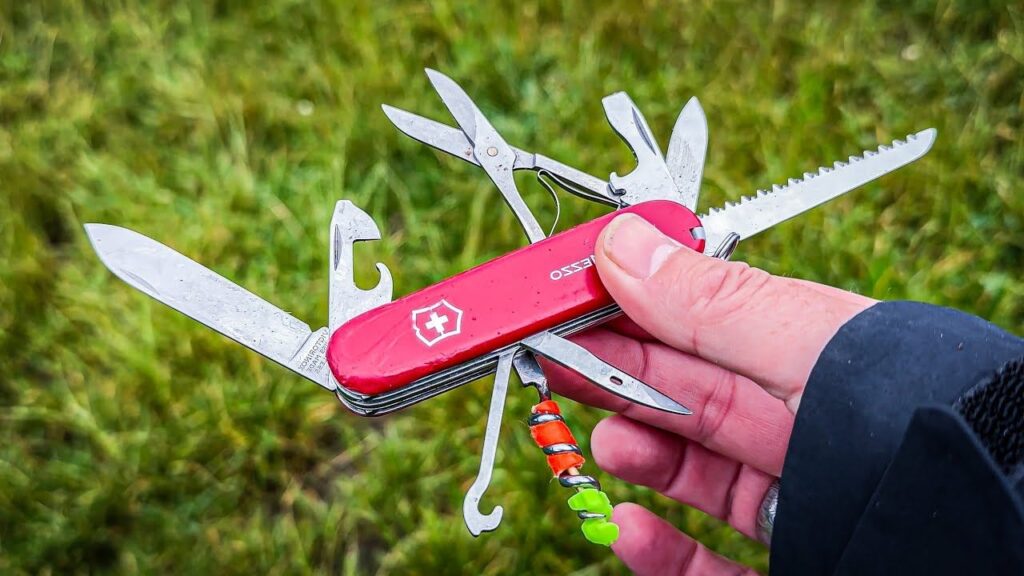
There’s no such thing as the perfect one-size-fits-all knife. A knife that batons well might not process meat well. A great skinning blade won’t chop kindling worth a damn.
The smart move? Pair a heavy survival knife with a lighter blade for fine tasks. One to take abuse. One to handle clean cuts. It’s how you stay prepared without overloading your kit—or getting caught short when the job demands more than one tool.

Leo’s been tracking game and tuning gear since he could stand upright. He’s sharp, driven, and knows how to keep things running when conditions turn.


