10 Tips for Tracking Game Like a Pro
Blood trailing isn’t just following red drops on leaves—it’s about reading everything the animal leaves behind. Here are the basics that’ll help you recover more animals and make smarter calls.
Start by Reading Fresh Sign
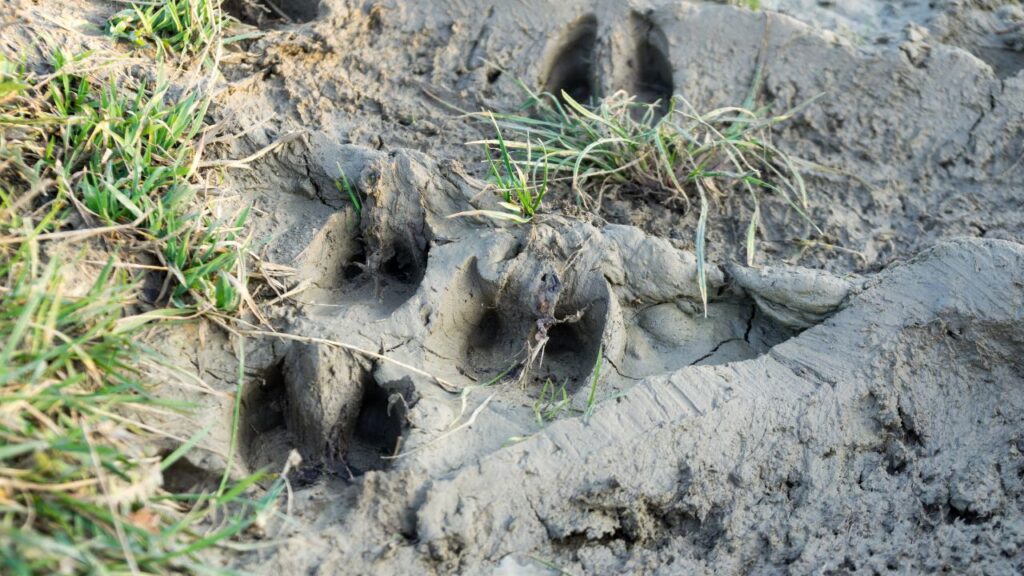
Fresh tracks or wet scat mean you’re on a hot trail. If it’s dried up or filled in by weather, chances are you’re chasing a ghost.
Look Ahead, Not Just Down

Most new hunters get tunnel vision. You’ll miss a lot if you don’t scan the trail ahead. Tracks, broken brush, even the animal itself—stay alert.
Pay Attention to Track Spacing
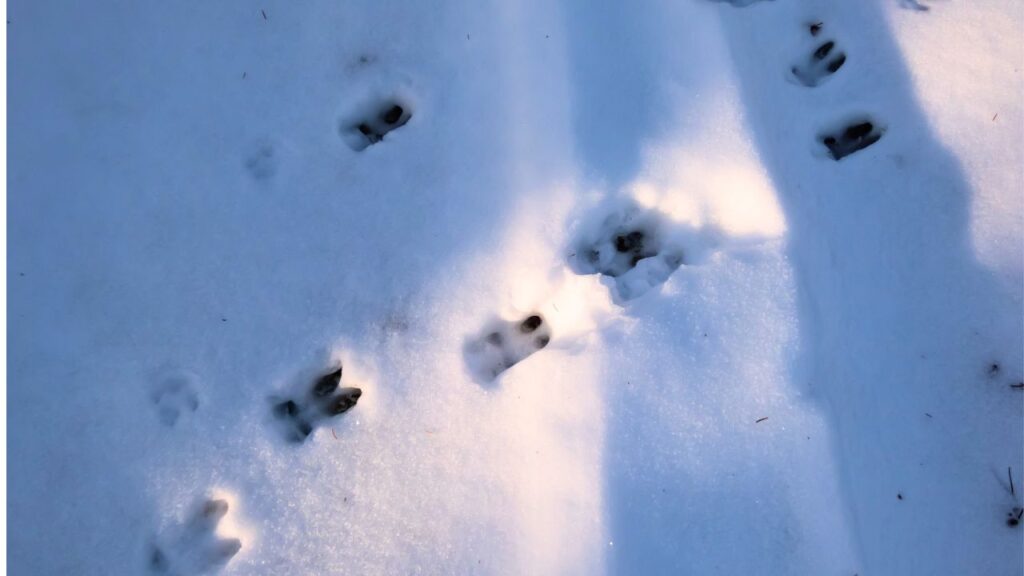
Tight tracks mean the animal was calm. Wide, spread-out ones often mean it was spooked or hurt. The spacing tells you what kind of trail you’re on.
Use Binoculars to Scan the Trail
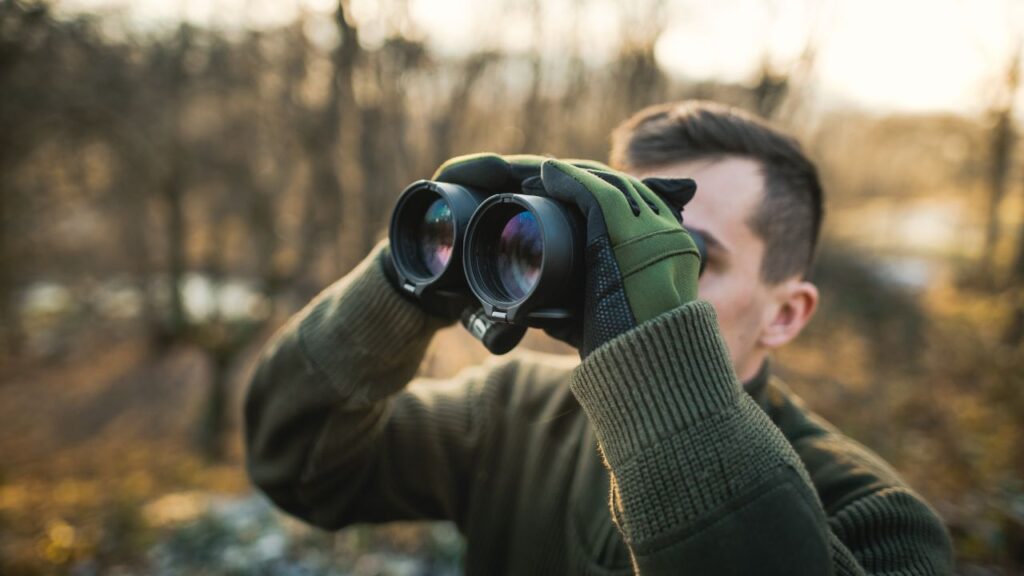
Before you step forward, glass ahead. You might spot blood, fur, or the animal bedded down. It’s safer and helps you stay quiet.
Mark the Last Known Spot
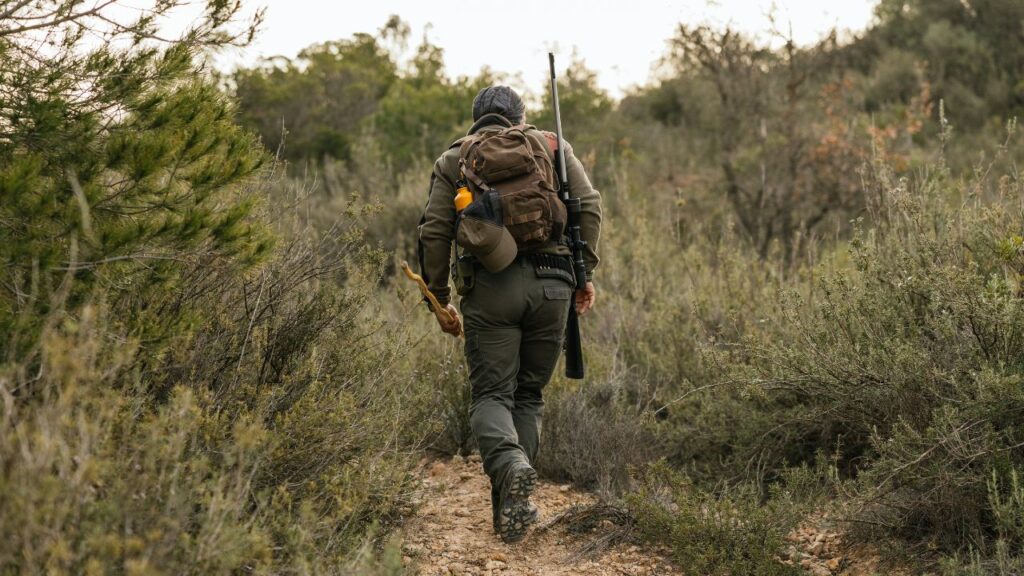
If you lose the trail, mark where you last saw sign. Work slowly outward in a circle or grid. Don’t guess—stay methodical.
Look for Blood on Both Sides of the Trail
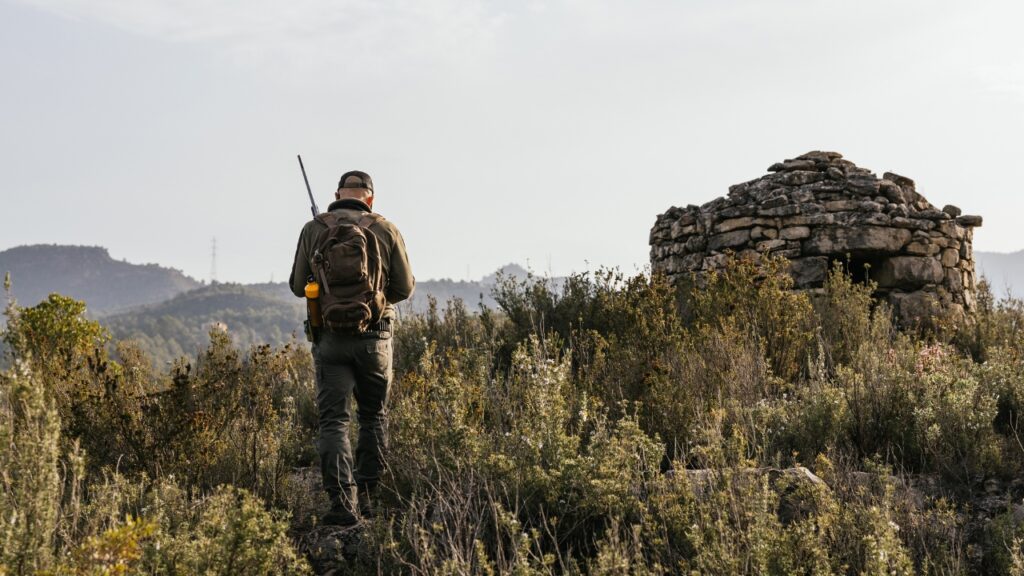
Blood on both sides of a trail often means a pass-through. That’s a good sign, but it still doesn’t mean charge in. Go slow.
Don’t Forget to Look for Hair
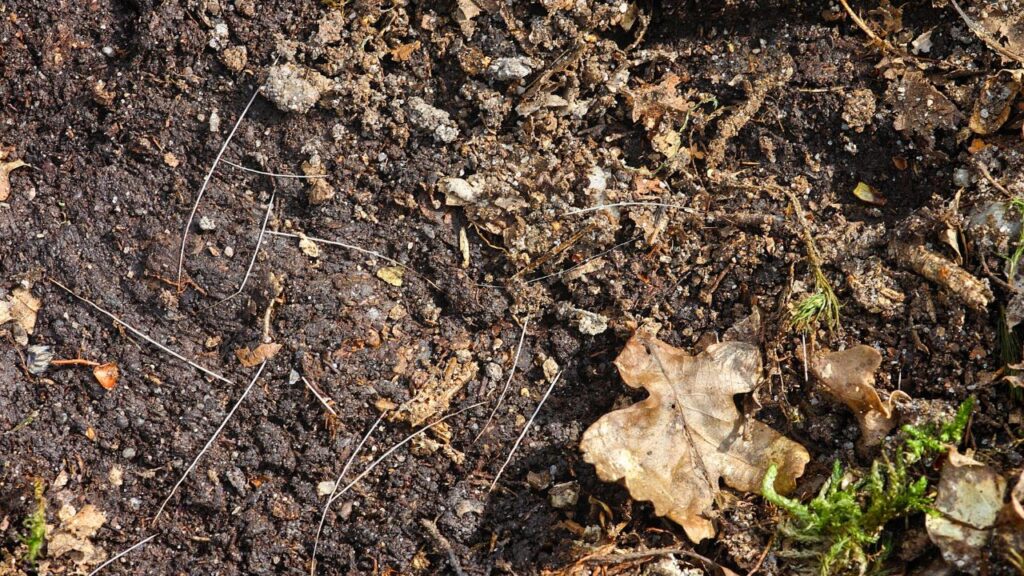
Hair can show up before blood and tell you where the shot landed. Light, soft hair often means high; dark and coarse could mean a gut shot.
Watch for Broken Brush and Disturbed Leaves
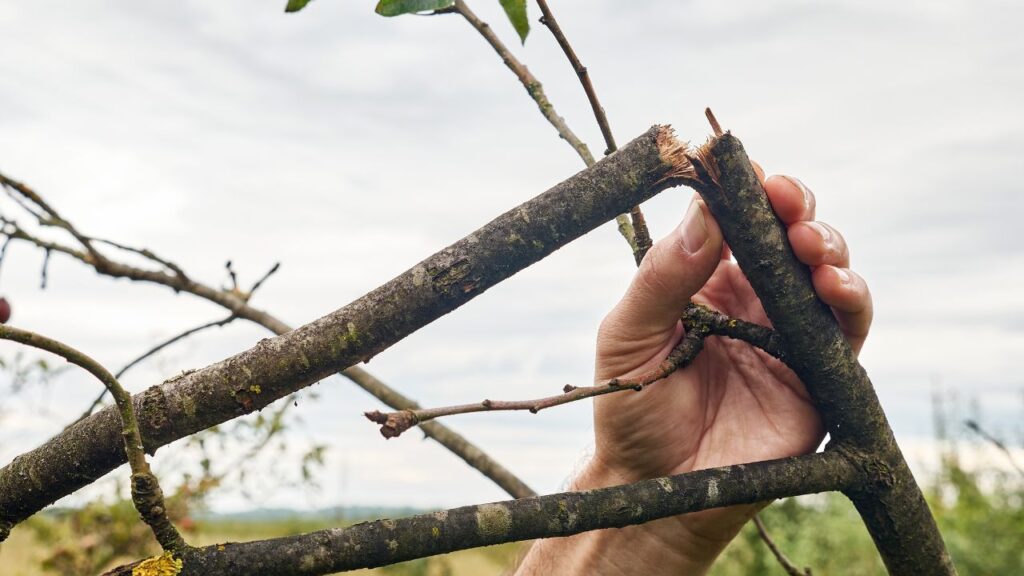
It doesn’t always come down to blood. Crushed grass, bent saplings, or overturned leaves can point the way when the trail gets thin.
Check Water Sources Nearby
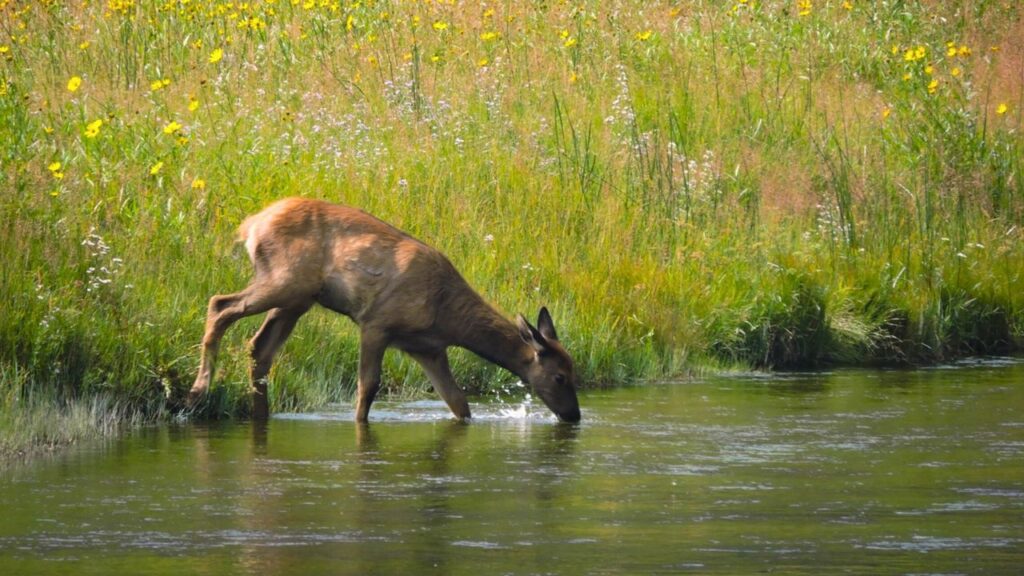
Wounded game often heads for water. If there’s a creek, pond, or even a muddy low spot nearby, give it a look before you give up.
Know When to Back Out

Sometimes you’ve just got to wait. If you’re jumping the animal over and over, backing out for a few hours might be the only way to recover it.

Leo’s been tracking game and tuning gear since he could stand upright. He’s sharp, driven, and knows how to keep things running when conditions turn.