Descendants of 1844 land grant secure grazing rights on billionaire-owned Colorado ranch
A long-running dispute over land use in Colorado has reached a turning point after descendants of an 1844 land grant secured grazing rights on a ranch now owned by a billionaire. The agreement brings renewed attention to historic land claims in the region and how they continue to shape modern property disputes.
The situation highlights how older land grants can still carry legal and cultural weight today. Even when ownership has changed hands multiple times, certain rights tied to the land can remain relevant, especially when they were established under earlier governments or settlement agreements.
Background of the land grant claim
The dispute centers around a land grant originally issued in 1844, when large portions of the region were distributed under different territorial rules. Descendants of the original recipients have argued that certain rights tied to grazing and land use were never fully extinguished.
Over time, the property changed ownership and eventually became part of a large ranch now owned by a billionaire. Despite the modern ownership structure, the descendants maintained that their historical grazing rights still applied under the original terms of the grant.
How grazing rights became the focus
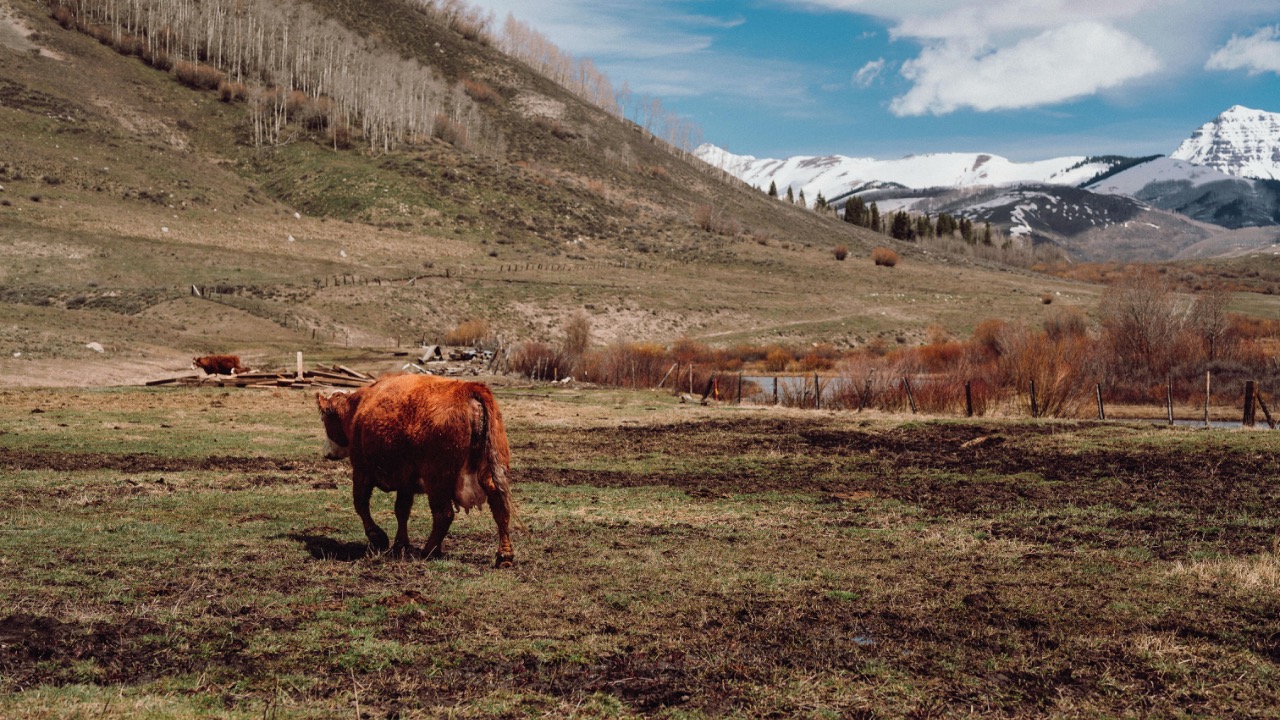
At the heart of the case was the use of the land for grazing livestock, which has historically been one of the most common forms of land use in rural Colorado. The descendants claimed that their rights included continued access for this purpose.
The ranch owners disputed the claim, arguing that modern property law and previous transactions had fully transferred control of the land. The disagreement eventually centered on whether historical grazing rights could still override current private ownership boundaries.
Legal and historical arguments involved
Cases like this often rely heavily on historical documents, treaties, and land records. Both sides presented competing interpretations of what the original 1844 grant actually guaranteed and whether those rights were meant to persist indefinitely.
Courts and negotiators typically have to balance modern property law with older agreements that may not be clearly defined by today’s standards. That creates room for different interpretations, especially when records are incomplete or language from the original grant is open to interpretation.
Tension between private ownership and historic claims
The dispute also reflects a broader tension between private land ownership and historic land use rights. On one side is the expectation that current owners have full control over their property. On the other is the argument that certain inherited rights should still be honored.
These kinds of conflicts can become especially complicated when large tracts of land are involved. Ranching regions often carry layered histories, where past agreements still influence how land can be used today, even under modern ownership.
Impact on the local community
For local ranchers and nearby communities, decisions like this can affect how land is accessed and managed. Grazing rights are not just symbolic; they can directly influence livelihoods and agricultural operations in rural areas.
At the same time, large private ownership of land has become increasingly common in parts of the western United States. That dynamic can create friction when historical claims intersect with modern development and investment-driven land use.
Resolution and broader implications
The agreement to recognize grazing rights marks a significant outcome for both sides, though it does not necessarily settle broader debates about land grants in the region. It may instead set a reference point for similar disputes in the future.
Cases like this often encourage renewed examination of old land records and how they apply under current law. They also highlight how historical agreements can still shape real-world land use decisions, even more than a century later.

Leo’s been tracking game and tuning gear since he could stand upright. He’s sharp, driven, and knows how to keep things running when conditions turn.