Everyday situations that can unexpectedly involve law enforcement
For most people, police work is something seen from a distance, through crime shows or flashing lights on a highway. In reality, law enforcement often enters everyday life in quieter, more routine moments that still carry legal and safety consequences. Understanding how ordinary situations can draw in officers, and what rights and responsibilities apply, can turn a stressful encounter into a more manageable one.
From a neighbor’s noise complaint to a mistaken identity during a traffic stop, seemingly minor events can suddenly involve badges, body cameras, and legal standards like reasonable suspicion and probable cause. Knowing how and why that happens helps residents protect themselves, cooperate safely, and decide when involving law enforcement is actually necessary.
Traffic stops that start with small mistakes
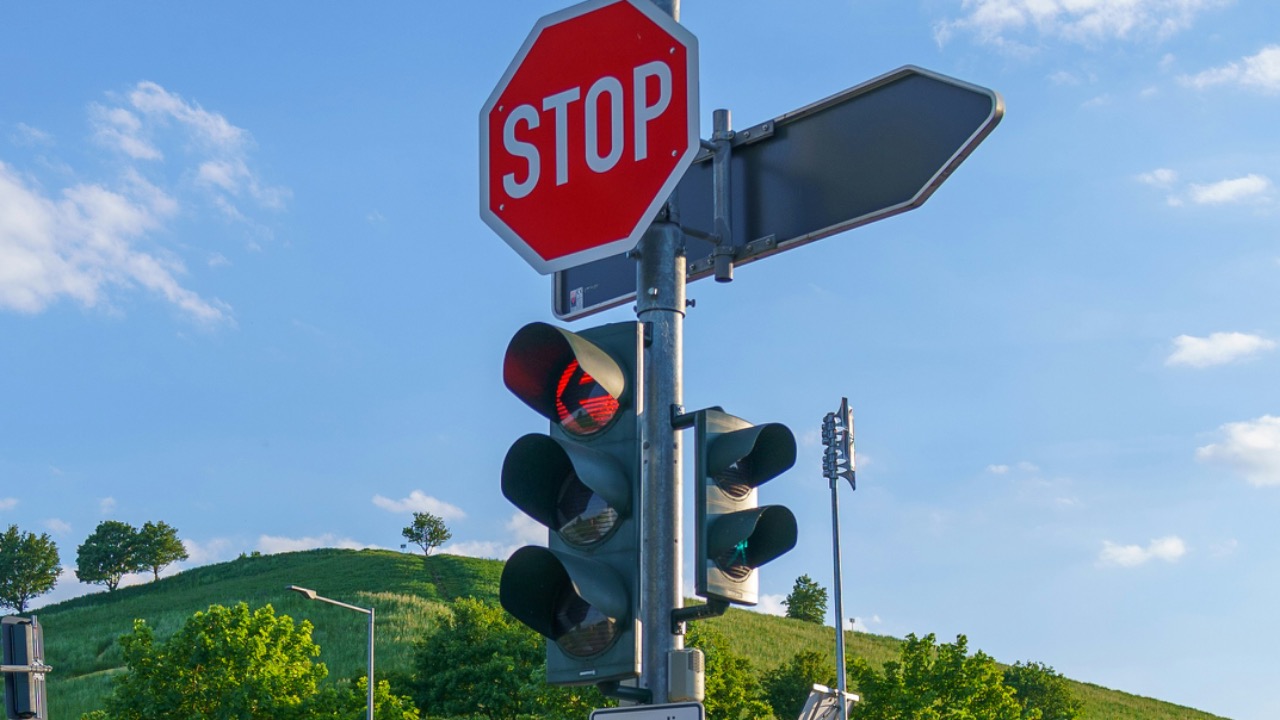
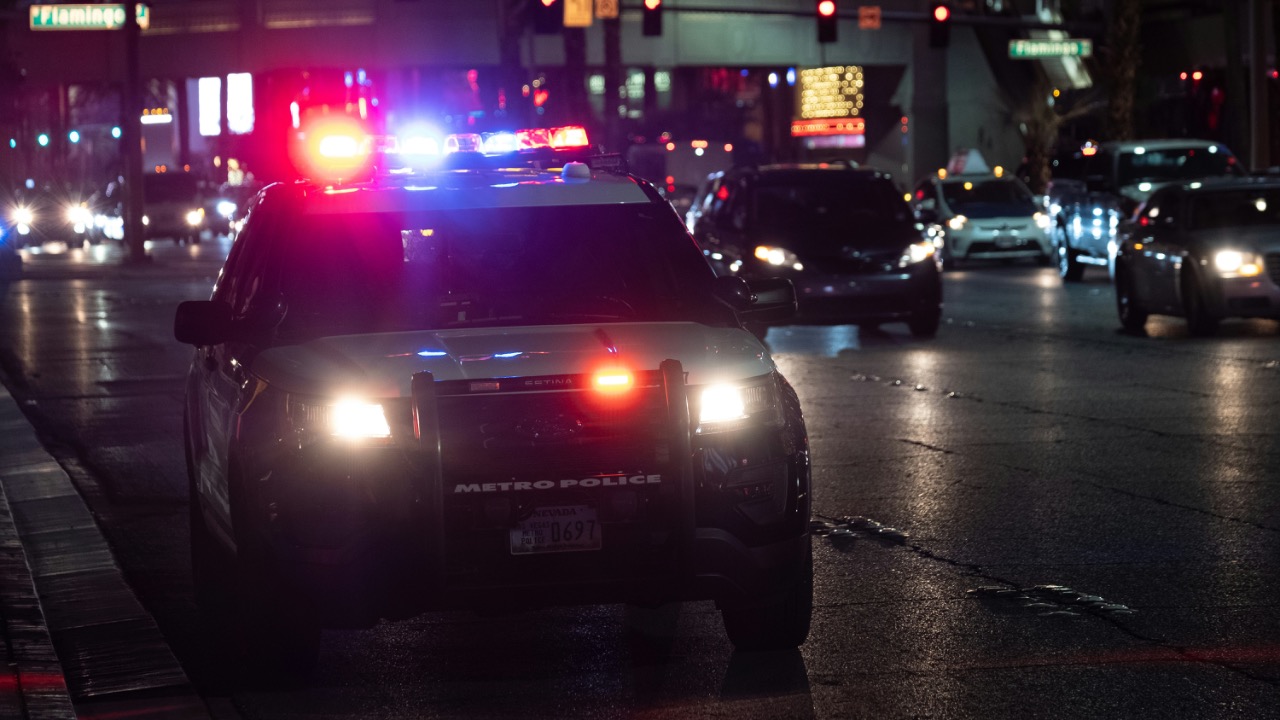
One of the most common ways people meet officers is on the side of the road. A broken taillight, a rolling stop at a sign, or glancing at a phone at a red light can all lead to a patrol car’s lights in the rearview mirror. Traffic enforcement is a core part of patrol work, and routine stops are a major point of contact between officers and community members. Guidance on safer interactions notes that traffic stops are a frequent source of misunderstanding, fear, and tension for both sides.
From the officer’s perspective, there is no such thing as a completely harmless stop. Training materials describe how instructors stress that there are “no routine stops,” and that officers must fight complacency through scenario-based drills that prepare them to expect the unexpected at the driver’s window. In one account of Scenario Training Because traffic stops can suddenly escalate, officers are taught to approach every vehicle with caution, watch occupants’ hands, and scan for signs of impairment or weapons.
For drivers, that mindset can feel like overreaction, especially when the original issue is minor. Yet the legal standards that allow a stop are relatively low. A visible traffic violation, such as speeding or a missing registration sticker, gives an officer a lawful reason to pull a car over. Once the stop begins, the interaction can expand if the officer sees or smells evidence of other offenses, such as open containers or marijuana smoke, or if a check of the license plate reveals a warrant.
A few simple steps can keep the situation from spiraling. Keeping hands visible on the steering wheel, turning on interior lights at night, and waiting for instructions before reaching for documents can lower the officer’s stress level. Calm, brief answers, along with a clear statement if a driver chooses not to consent to a search, help preserve rights without inflaming the encounter.
Street encounters, stop and frisk, and reasonable suspicion
Police do not only stop people in cars. Officers on foot or in patrol units frequently approach individuals on sidewalks, in parks, or outside businesses. Some of these interactions are casual conversations. Others are investigative stops that trigger specific legal protections. A legal guide to street encounters explains that officers can briefly detain someone, and even conduct a limited pat-down, when they have a reasonable suspicion that the person is involved in criminal activity and may be armed.
The phrase “reasonable suspicion” has a precise legal meaning. A county explanation titled Definition of Reasonable cites the United States Supreme Court, which has described it as “the sort of common-sense conclusion about human behavior upon which practical people are entitled to rely.” The same explanation stresses that it cannot be a bare, imaginary, or purely conjectural suspicion. In other words, an officer needs specific, articulable facts, such as matching a detailed description from a recent crime or repeatedly trying locked car doors late at night.
Legal references on Stop and Frisks describe how this standard allows officers to pat down outer clothing for weapons if they reasonably believe a person is armed and dangerous. That pat-down is limited in scope. It is not a full search of pockets or bags unless the officer feels something that clearly seems like a weapon or contraband.
Another explanation of common encounters notes that Another technique utilized by police is known as Stop and Frisk. During this kind of detention, an officer can temporarily hold a person in place and conduct that limited pat-down, but a more intrusive search usually requires probable cause, which is a higher standard than reasonable suspicion and is often needed for arrests or warrants.
For people on the receiving end, the distinction between a casual conversation and a detention matters. A person is generally free to walk away from a voluntary contact but must stay put during an investigative stop. Knowing phrases like “Am I free to go?” and calmly asking whether the encounter is voluntary can clarify the situation without escalating it.
Noise, neighbors, and non-criminal calls
Law enforcement is often drawn into disputes that have little to do with serious crime. A late-night party, a car partially blocking a driveway, or a disagreement over property lines can all generate calls to 911. An analysis of patrol workloads notes that these calls fall into a general category of non-criminal issues that need police to resolve disputes, aid citizens, or mediate conflicts such as complaints about loud music or rowdy parties.
Local policy presentations describe how Police officers are frequently the first personnel called when there is a dispute between neighbors. These events can range from property damage and cars blocking a driveway to noise complaints that start small and become heated. Because officers are the ones who show up, they often act as on-the-spot mediators, even when no crime has occurred.
Some community members question whether every disagreement needs a badge at the door. A discussion on when to involve law enforcement, written by D SanAntonio, who is described as having Studied Criminal Justice and as a Technical Instructor at Community College of the Air Force (CCAF), suggests that it is always better to avoid involving police if a problem can be handled safely on one’s own or through civil channels. That perspective reflects a broader push to reserve emergency responses for genuine safety threats and to use mediation, housing agencies, or campus security for lower-level disputes.
Still, when tempers flare or there is a concern about violence, a call to police may be the most accessible option. Residents who choose that route should be prepared for officers to gather statements from both sides, check for any outstanding warrants, and potentially issue citations if local ordinances on noise or public disorder have been violated.
Alarms, welfare checks, and unexpected knocks at the door
Not every visit from officers starts with a complaint. Homeowners and businesses that install security systems often trigger police responses without realizing it. Research on public safety problems notes that, Among the most common problems with which police deal are security alarm systems installed in homes and businesses, which account for a significant percentage of police business in many areas. False alarms, caused by user error or malfunctioning equipment, still require officers to respond and verify that no crime is in progress.
A local incident log from one weekend illustrates how busy that can get. In one small city, Alarms, Suspicious Activityhandled multiple alarm drops at businesses and residences, most of which were determined to be accidental or checked OK. For residents, that can translate into officers at the door after a rushed exit to work or a pet tripping a motion sensor.
Another common scenario is the welfare check. Friends, family, or landlords who cannot reach someone may ask police to verify that the person is safe. A forum discussion on unexpected visits lists reasons such as “Because they’ve called the police” themselves for help, “Because someone has called the police on them and now I have to figure out why,” and “To ask for” information related to nearby incidents. Those examples show how officers may appear not because of suspected wrongdoing, but because someone else is worried.
When officers arrive in these contexts, cooperation usually keeps the interaction brief. Showing identification, explaining the alarm mishap, or confirming that an absent relative has been reached by phone can resolve the situation without further action. However, if officers see evidence of a crime or someone in immediate danger, the visit can quickly shift from welfare check to investigation.
Domestic disputes and high-risk “routine” calls
Some of the most dangerous calls for officers come from inside homes. A Quora response on hazards for police lists Febentries such as Active shooters, Domestic Abuse, Burglary alarm going off, and Answering a 10–32 request which is a request for backup. That list highlights how quickly a seemingly ordinary call can place both officers and residents in harm’s way.
Domestic Abuse calls, in particular, often start with vague information. Neighbors may report shouting, thuds, or a child crying, but not know who lives in the home or whether anyone is injured. When officers arrive, they must rapidly assess whether a crime has occurred, whether someone needs medical care, and whether children are at risk. Emotions are raw, and the presence of uniforms can inflame tensions, especially if one party fears arrest or loss of custody.
Police training materials on duties emphasize that officers are expected to protect life, secure scenes, and enforce laws across a wide range of incidents, not just clear-cut crimes. A description of duties of police notes that patrol officers respond to domestic disputes, traffic crashes, suspicious persons, and mental health crises, often with limited information and under time pressure.
Residents who call for help in these circumstances should be ready to provide as many specifics as possible, including whether weapons are present, how many people are involved, and whether anyone has visible injuries. Those details can shape how officers approach the scene and what resources, such as medical responders or child protective services, might be needed.
Identity theft, fraud, and digital trouble spilling into real life
Not all police involvement starts in a physical space. Financial crimes and online scams can draw law enforcement into people’s lives long after the initial damage occurs. Federal guidance on identity theft and explains how criminals use stolen personal data to open credit accounts, file tax returns, or commit other fraud in someone else’s name. Victims may first discover the problem when debt collectors call, bank accounts are frozen, or law enforcement contacts them about activity tied to their identity.
Industry research has documented how widespread that problem has become. One report tracked identity fraud hitting a record high of 15.4 million United States victims in 2016, a 16 percent increase according to new data. Those figures underscore how likely it is that ordinary consumers, not just businesses or public figures, will end up filing police reports or working with investigators over digital crimes.

Leo’s been tracking game and tuning gear since he could stand upright. He’s sharp, driven, and knows how to keep things running when conditions turn.