Man Says His Dad Sold Their Shared Hunting Land Without Telling Him First
A dispute over privately owned hunting land has sparked attention after a man claimed his father sold property they had both used for years without telling him first. The situation centers on shared expectations, family trust, and what happens when informal arrangements collide with legal ownership.
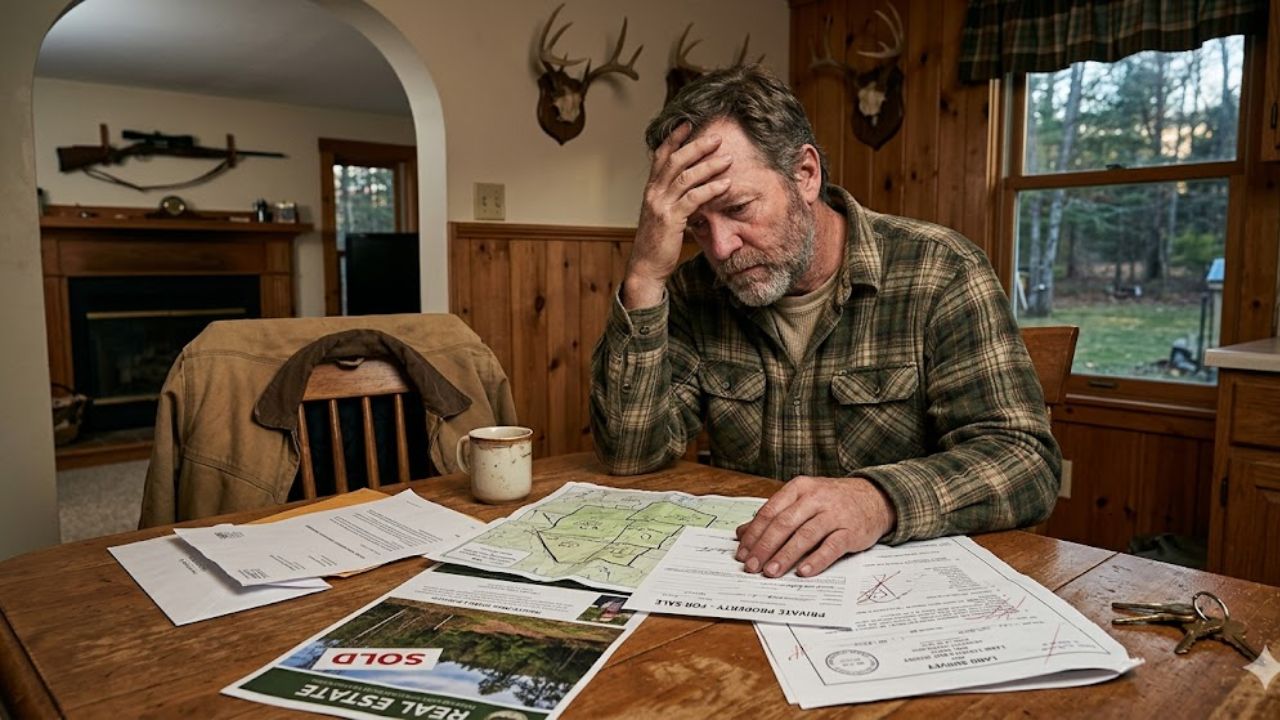
According to the account, the land had been used as a regular hunting spot by both father and son over a long period. While the property was legally in the father’s name, the son believed he had an ongoing stake in its use. The sale reportedly came as a surprise, leading to tension within the family and raising questions about communication and expectations.
Family conflict over property use and expectations
At the heart of the dispute is the difference between ownership and shared use. In many rural families, land is often used collectively, with multiple members treating it as a shared resource even when only one person holds the title. That arrangement can work smoothly for years until a major decision, like a sale, changes everything.
In this case, the son’s reaction appears tied to the long history of using the land as a hunting location. For him, it wasn’t just property — it was a place tied to routine, tradition, and time spent outdoors. When those expectations aren’t clearly defined, disagreements like this can surface quickly once ownership changes hands.
Legal ownership versus informal agreements
Legally, the ability to sell property typically rests with the person whose name is on the deed. Informal agreements, even long-standing ones, don’t always carry legal weight unless there is a written contract or shared ownership structure in place.
That gap between legal rights and personal expectations is often where conflict arises. One person may see the land as shared family space, while another sees it as an asset they are free to manage or sell. Without formal agreements, misunderstandings can grow over time without either side realizing the risk.
Emotional impact of losing access to familiar land
Beyond the legal side, disputes like this often hit hardest on an emotional level. Hunting land can carry strong personal meaning, especially when it’s tied to family history or repeated use over many years. Losing access to a familiar place can feel like losing part of a routine or tradition.
That emotional attachment can make outcomes like a sale more difficult to accept, even if the decision was legally straightforward. In many cases, the disagreement isn’t just about property, but about feeling excluded from a decision that affected something personally important.
What situations like this often lead to next
Conflicts over shared land use can sometimes lead to strained family relationships, especially when communication breaks down during the sale or transfer process. Depending on the situation, families may resolve it through discussion, mediation, or legal clarification of rights and ownership history.
Cases like this also highlight the importance of clearly defining land use agreements early on. Without written terms, assumptions can carry people far — until a major decision forces everything to be addressed at once.

Leo’s been tracking game and tuning gear since he could stand upright. He’s sharp, driven, and knows how to keep things running when conditions turn.