Public Input Sought on 2026 Hunting Seasons and Regulations
Every year, wildlife agencies open the door for public input on upcoming hunting seasons, and if you care about how, when, and where you hunt, this is your window to speak up. These proposals aren’t set in stone. They’re drafts shaped by biologists, harvest data, and long-term population goals—but hunter feedback carries real weight.
If you’ve ever complained at camp about season timing, tag numbers, or access issues, this is where that frustration should go. The process isn’t complicated, but it does require you to pay attention and participate. Here’s what’s on the table for 2026 and where your voice actually matters.
Season Date Adjustments

Season timing is one of the most common areas up for revision, and for good reason. Wildlife agencies are constantly trying to line up hunting pressure with biological realities like breeding cycles, migration timing, and regional weather patterns. You’ll often see proposals to shift opener dates by a week or two, especially for deer, waterfowl, and small game.
From your standpoint, those small changes can make a big difference. A later rifle opener might mean more post-rut movement, while an earlier waterfowl split could line up better with migration. If you’ve noticed mismatches between season timing and actual animal activity, this is where you point it out with specifics that agencies can use.
Tag Allocations and Draw Odds
Tag numbers are always under scrutiny, especially in units that see heavy pressure or fluctuating herd health. Agencies rely on harvest data, winter survival rates, and habitat conditions when deciding whether to increase or cut permits.
If you’ve been watching draw odds creep in the wrong direction, you’re not alone. But there’s usually a reason behind it. When agencies ask for feedback, they’re looking for observations from the field—animal numbers, age class, and hunter crowding. If you’ve spent time in a unit, your input can help balance opportunity with sustainability.
Changes to Weapon Restrictions
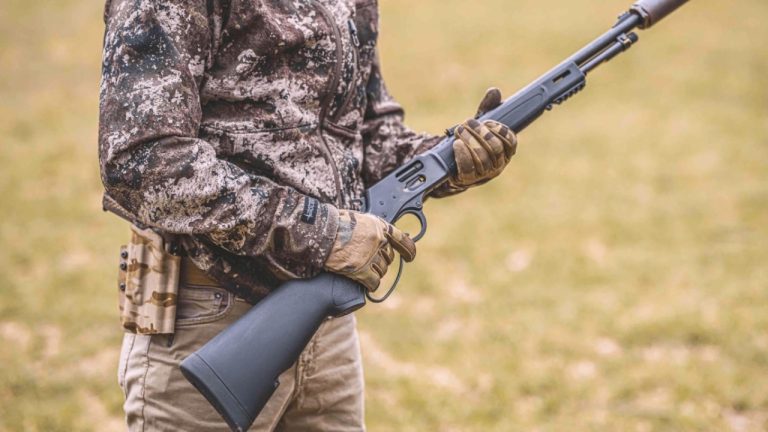
Weapon regulations don’t change every year, but when they do, they tend to draw strong opinions. Proposals might include allowing straight-wall cartridges in new areas, expanding crossbow use, or adjusting muzzleloader rules.
These decisions are often tied to safety, harvest efficiency, and participation rates. From your perspective, it’s worth weighing how a change might affect pressure in your area. Opening up new weapon options can bring in more hunters, which can shift the entire feel of a season. Agencies want to hear how those trade-offs look on the ground.
Public Land Access Concerns
Access continues to be a major topic, especially in states where public land is limited or heavily pressured. Agencies sometimes propose walk-in programs, access agreements with landowners, or changes to parking and entry points.
If you’ve dealt with overcrowded trailheads or locked gates where access used to be open, this is where you bring it up. Specific examples matter more than general complaints. Agencies can’t fix what they don’t fully understand, and detailed input from hunters often drives real improvements in access programs.
Chronic Wasting Disease Management
CWD is forcing changes in how seasons are structured in certain regions. You may see proposals for increased doe harvest, longer seasons, or mandatory testing in specific units. These measures aren’t popular, but they’re part of long-term disease control.
From a hunter’s perspective, it can feel like added hassle. But agencies are trying to slow the spread while keeping hunting viable. If you’ve seen shifts in herd health or hunter participation tied to CWD rules, your feedback helps shape how aggressive—or measured—future regulations should be.
Youth and New Hunter Opportunities
Recruitment is a constant concern, and agencies are always looking for ways to bring in new hunters. That often shows up as expanded youth seasons, apprentice programs, or reduced-cost tags.
If you’ve mentored a new hunter, you know how important those opportunities are. Feedback here isn’t about whether these programs exist, but how well they work. Are youth seasons timed right? Do they actually provide a quality experience? Agencies want insight from people who’ve been in the field with beginners.
Predator Management Strategies
Predator seasons and quotas are another area where public input can shape outcomes. Proposals may involve adjusting bag limits, extending seasons, or changing methods of take for species like coyotes, bobcats, or mountain lions.
These decisions are often tied to broader ecosystem goals, including prey population health. If you’ve noticed changes in predator numbers or behavior, that information matters. Hunters who spend time in the field often pick up on trends before they show up clearly in data sets.
Regional Zone Boundaries
Sometimes the changes aren’t about seasons or tags, but about how units or zones are drawn. Agencies may propose redrawing boundaries to better reflect habitat, herd movement, or management goals.
For you, that can affect everything from draw eligibility to season structure. If a boundary shift puts your go-to spot in a different unit, it’s worth paying attention. Input here should focus on how animals actually use the landscape, not just convenience. Agencies are trying to align maps with reality.
Reporting and Check Requirements
Harvest reporting rules are getting tighter in many places, with more states moving toward mandatory, timely reporting. Some proposals include digital check-ins, shorter reporting windows, or penalties for noncompliance.
While it can feel like extra paperwork, accurate reporting is what drives future seasons. If the system is clunky or unclear, say so. Agencies need feedback on how these systems work in real conditions, especially in areas with limited cell service or high hunter volume.
Habitat and Conservation Funding
Some proposals go beyond seasons and get into funding—tag fees, habitat stamps, or conservation program support. These changes often fly under the radar, but they have long-term impact on game populations.
If you’ve seen habitat decline or improvement in your area, this is your chance to connect those observations to funding decisions. Hunters are a major source of conservation dollars, and agencies pay attention when that group weighs in on where money should go and how it’s collected.
How and When to Speak Up
Public comment periods don’t stay open long, and once they close, your chance to influence that year’s regulations is gone. Agencies usually accept input through online portals, public meetings, or written submissions.
If you care about the outcome, take the time to be clear and specific. Skip the rants and focus on what you’ve seen and what you think would work better. The hunters who shape seasons aren’t always the loudest—they’re the ones who show up and put real observations on the record.

Asher was raised in the woods and on the water, and it shows. He’s logged more hours behind a rifle and under a heavy pack than most men twice his age.