10 Knots Every Fisherman Should Know by Now
If you spend any real time on the water, your knots better hold. It’s not about looking pretty—it’s about keeping that fish from slipping away or your lure from launching into the horizon. Whether you’re rigging up live bait, tying on a jig, or connecting leader line, the right knot makes all the difference. Some are quick and easy, others take practice, but they’re all worth learning. Here are ten knots every fisherman should know by now—no excuses, no shortcuts, just knots that work.
Improved Clinch Knot
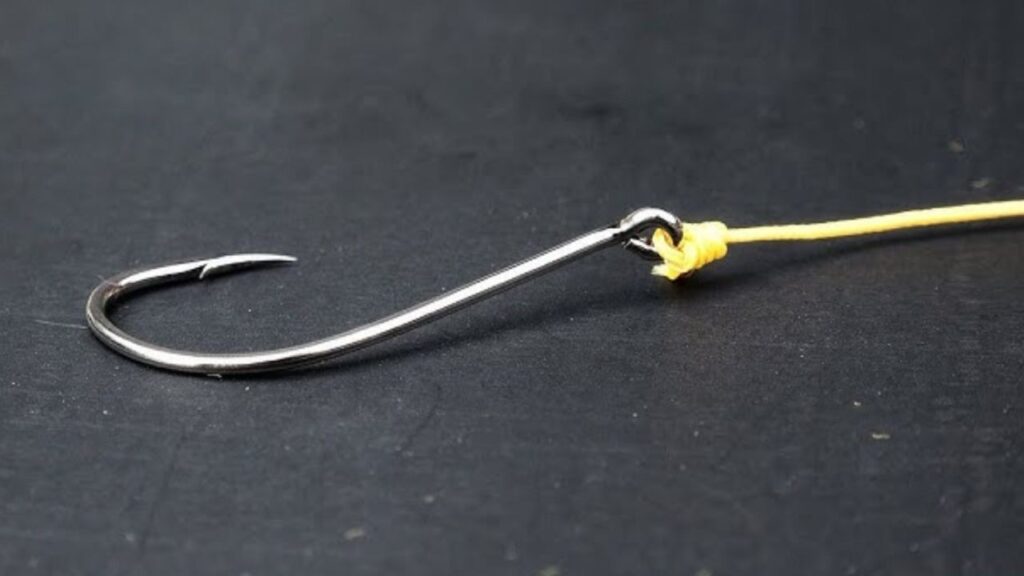
This one’s a classic for a reason. It’s simple, strong, and works well with most standard hooks and lures. The improved version adds an extra tuck at the end for better hold.
It’s great for monofilament and light fluorocarbon. If you’re tying on a crankbait or hook in a hurry, this knot gets it done without slipping—just make sure to wet the line before cinching it down.
Palomar Knot
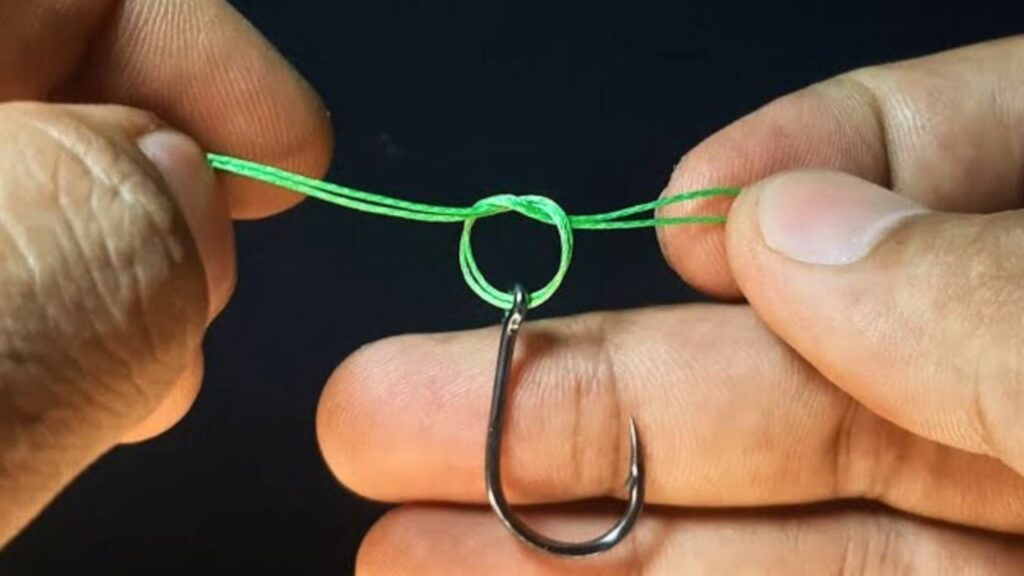
The Palomar is one of the strongest fishing knots you can tie. It works best with braided line, but holds great with mono too. It’s quick to learn and super reliable under tension.
Run the line through the eye, double it, and tie a simple overhand knot, then loop it over your hook or lure. Tighten it up, and you’re set. If you don’t know this one, it should be next on your list.
Uni Knot
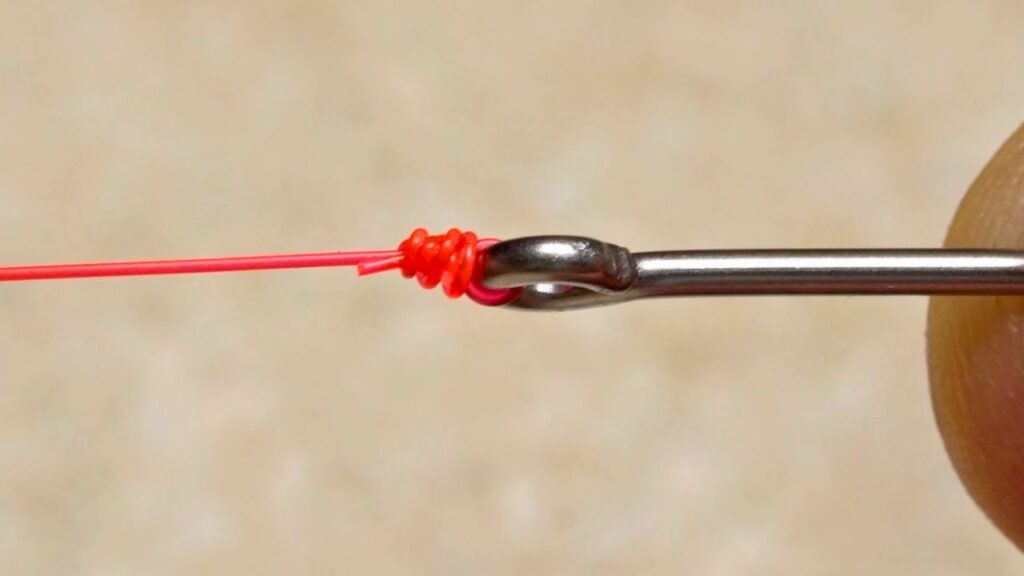
The Uni Knot is a real workhorse. You can use it to tie on hooks, join lines, or even create loop knots with a little variation. It’s easy to adjust and holds up under pressure.
It’s especially handy when you’re dealing with different line types or want a knot you can tie quickly in low light. Once you get the feel for it, you’ll use it all the time without thinking.
Snell Knot
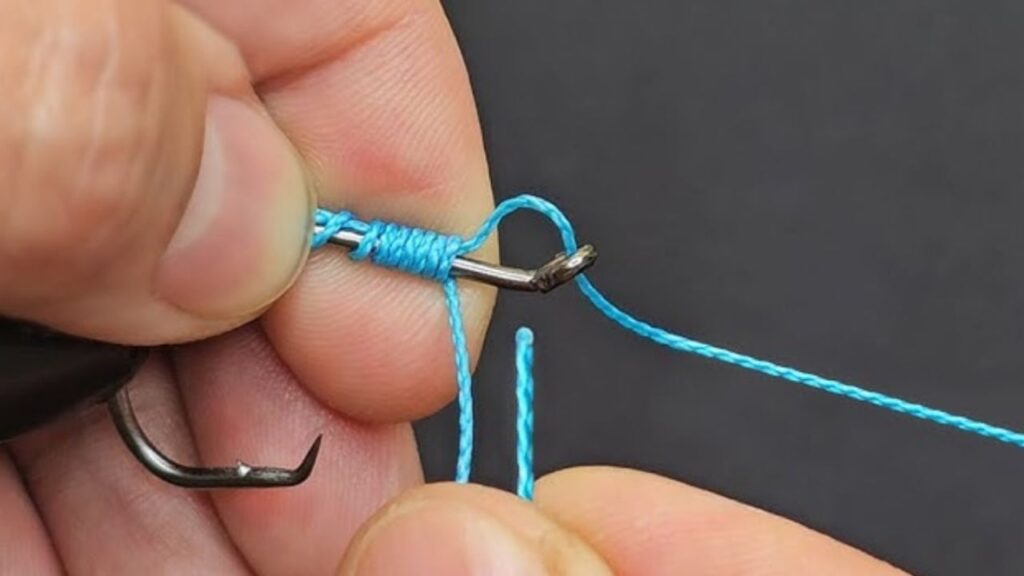
If you’re rigging up for bottom fishing or live bait, the Snell Knot gives you a straight pull into the hook. That means better hooksets and more solid connections.
It wraps the line around the shank of the hook instead of just tying through the eye. It’s a little more advanced, but once you learn it, you’ll see the benefits, especially on circle hooks or for catfish rigs.
Surgeon’s Knot
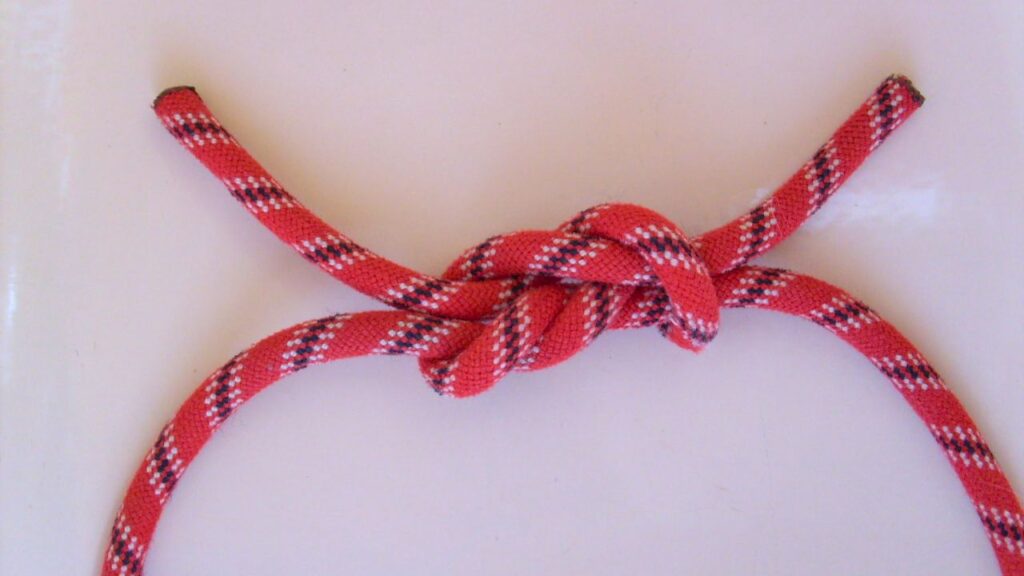
The Surgeon’s Knot is perfect for joining two lines together, especially if they’re different diameters. Think leader to mainline, braid to mono, or any other mismatched pair.
It’s quick, easy, and doesn’t need perfection to hold. Two overhand knots and a strong pull, and you’re ready to go. It’s a good backup knot to know when your fingers are cold or the light’s fading fast.
Loop Knot (Non-Slip)
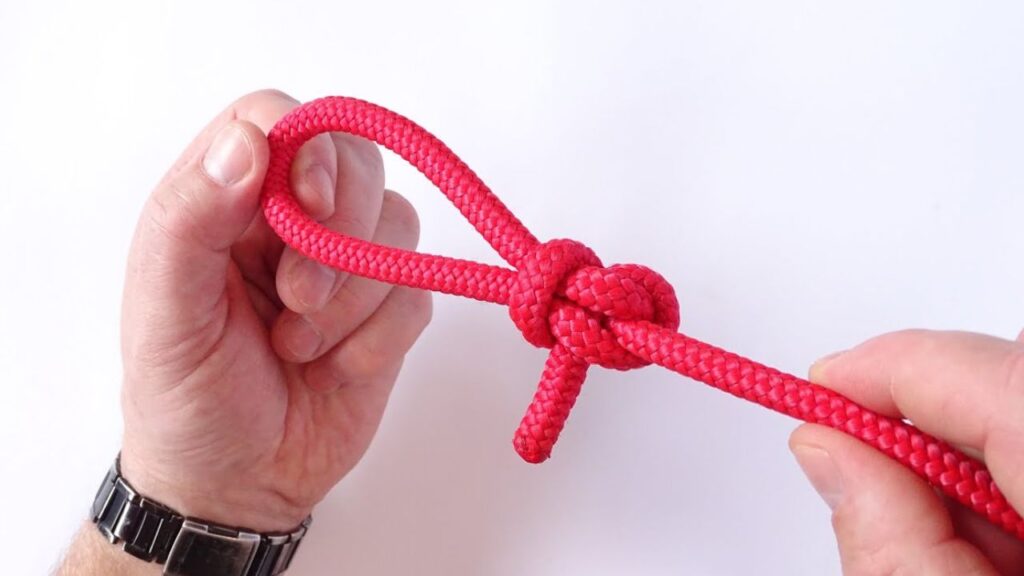
Sometimes you want a little action—especially with topwater lures or jigs. The Non-Slip Loop Knot gives your lure room to move naturally without the restriction of a tight knot.
It’s solid, not too hard to tie, and adds that extra wiggle to your presentation. This one’s great for when finesse and freedom of movement matter, especially in clear water.
Double Uni Knot
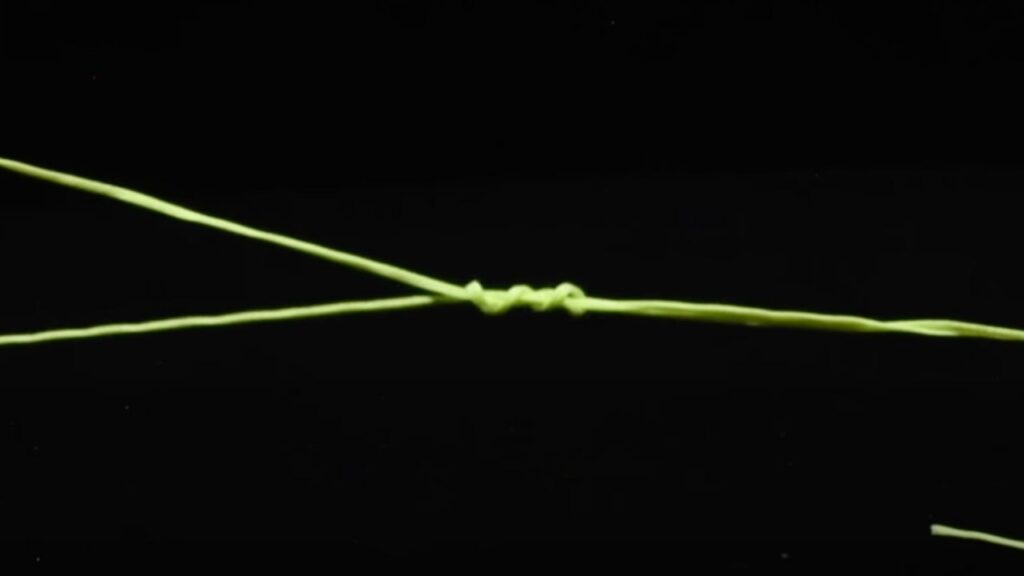
This one’s a go-to for joining braid to mono or fluoro. It’s basically two Uni Knots tied back-to-back, and it gives you a low-profile, strong connection that slides through guides without issue.
It takes a little practice to get right, but once you’ve got it, it’s faster than an FG Knot and more forgiving. Great choice for building leaders on the fly or rigging up before sunrise.
Blood Knot
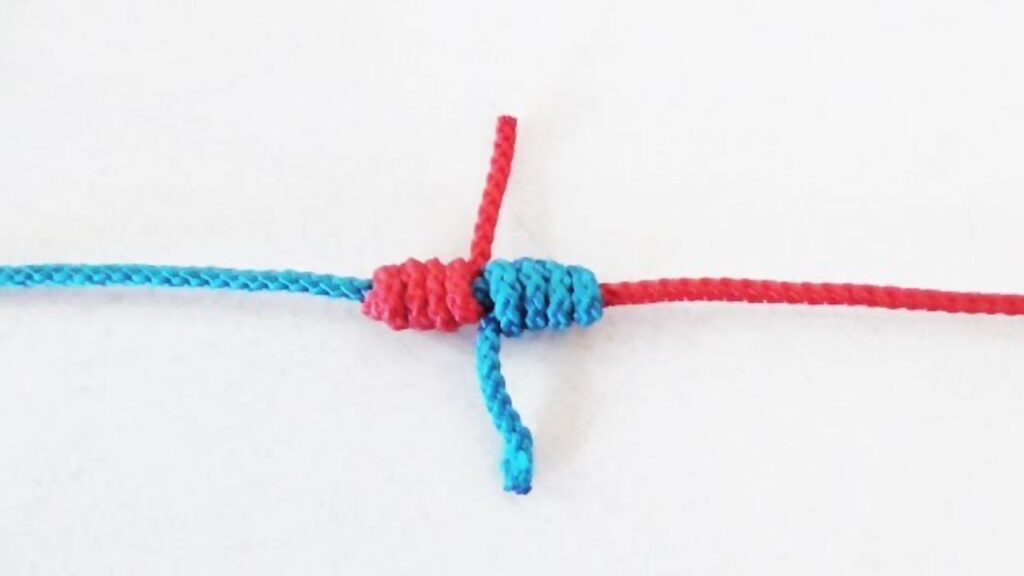
The Blood Knot is ideal for joining lines of similar size. Fly anglers love it, but it works well for spinning and baitcasting setups too. The finished knot is smooth and strong.
It’s not the fastest knot to tie, especially in wind or low light, but it’s super clean when done right. If you’re building your own leaders or just want a dependable connection, it’s worth learning.
Arbor Knot
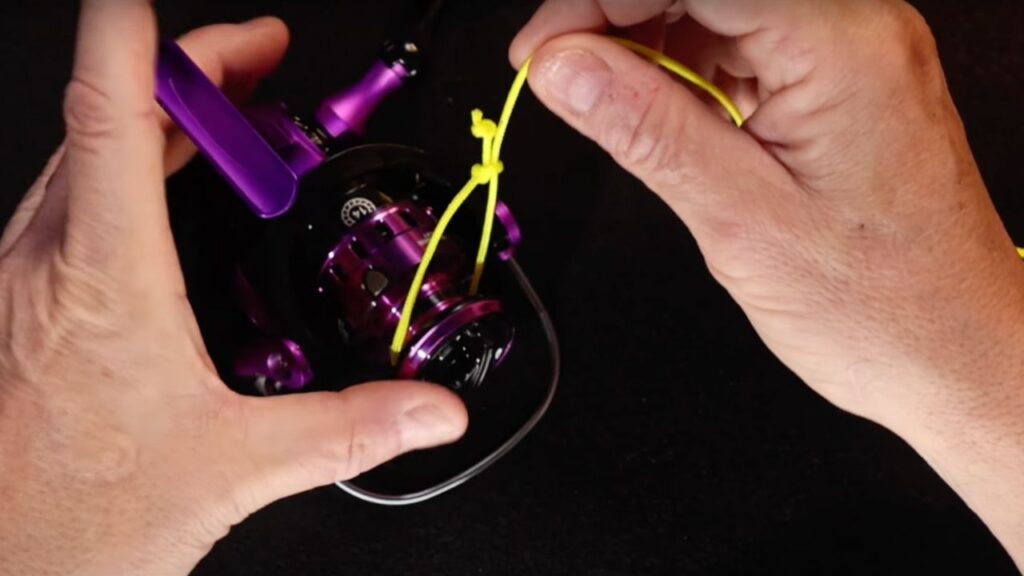
The Arbor Knot is what you use to attach your line to the spool. It’s not fancy, but it’s essential—especially when you’re spooling up new line or switching reels.
Simple loop around the spool, then a couple of overhand knots to lock it in place. It won’t win any beauty contests, but it’ll hold tight when the drag starts peeling.
Albright Knot
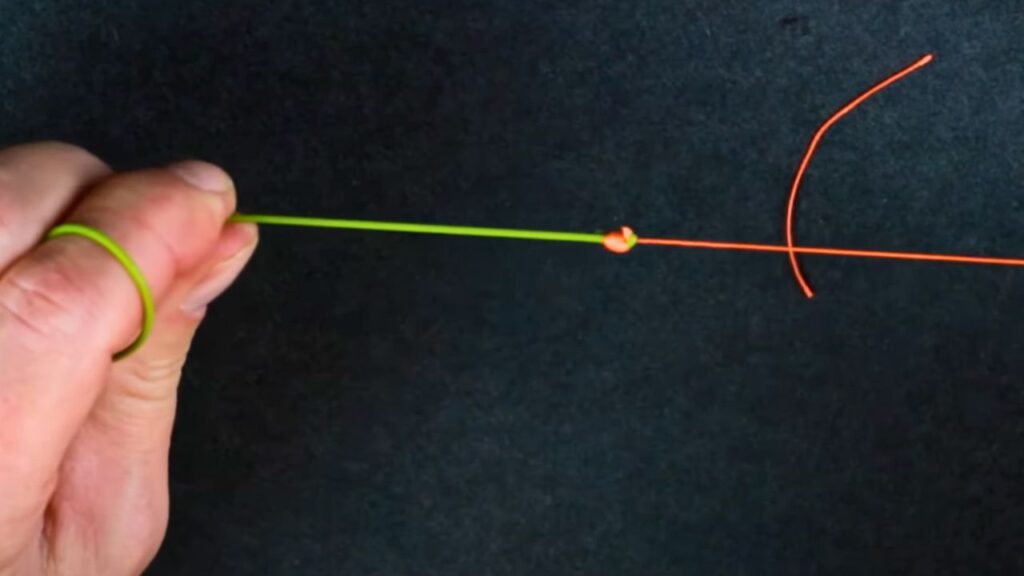
The Albright Knot is another solid choice for connecting different types of line, especially if you’re pairing braid with heavy mono or fluorocarbon. It’s strong and slim enough to cast well.
It takes a little more care to tie, but holds up under pressure. If you’re heading into heavy structure or dealing with big fish, the Albright gives you that extra peace of mind.

Asher was raised in the woods and on the water, and it shows. He’s logged more hours behind a rifle and under a heavy pack than most men twice his age.