Iran Threatens Missile Barrage on Gulf Energy Sites and Desalination Plants as US Strikes Loom, With IRGC Vowing to ‘Return Emirates to Camel Era’
Iran’s escalating threats against Gulf infrastructure come at a tense moment in the broader conflict. The Islamic Revolutionary Guard Corps and Iranian officials have signaled readiness to strike energy facilities and desalination plants across the region if the United States resumes attacks on Iranian targets. This rhetoric reflects deep vulnerabilities on both sides, with the Persian Gulf’s critical water and oil systems sitting within easy missile range. As tensions simmer over the Strait of Hormuz and potential new U.S. actions, the stakes involve not just military targets but the daily survival of millions in neighboring states.
The stakes for water security in the Gulf
Desalination plants supply the bulk of drinking water for countries like the UAE, Saudi Arabia, Qatar, and others in the region. These facilities turn seawater into usable supplies that keep cities running and populations hydrated in an arid environment. Any sustained damage from missile or drone strikes could quickly lead to shortages, forcing difficult choices about rationing and emergency measures.
Gulf governments have invested heavily in these plants over decades, pairing many with power stations for efficiency. Experts note that even limited disruptions carry risks of cascading effects on public health, industry, and daily life. Iranian warnings have drawn attention to how intertwined energy and water infrastructure have become, raising concerns about broader humanitarian impacts if fighting intensifies again.
Iran’s military posture and stated intentions
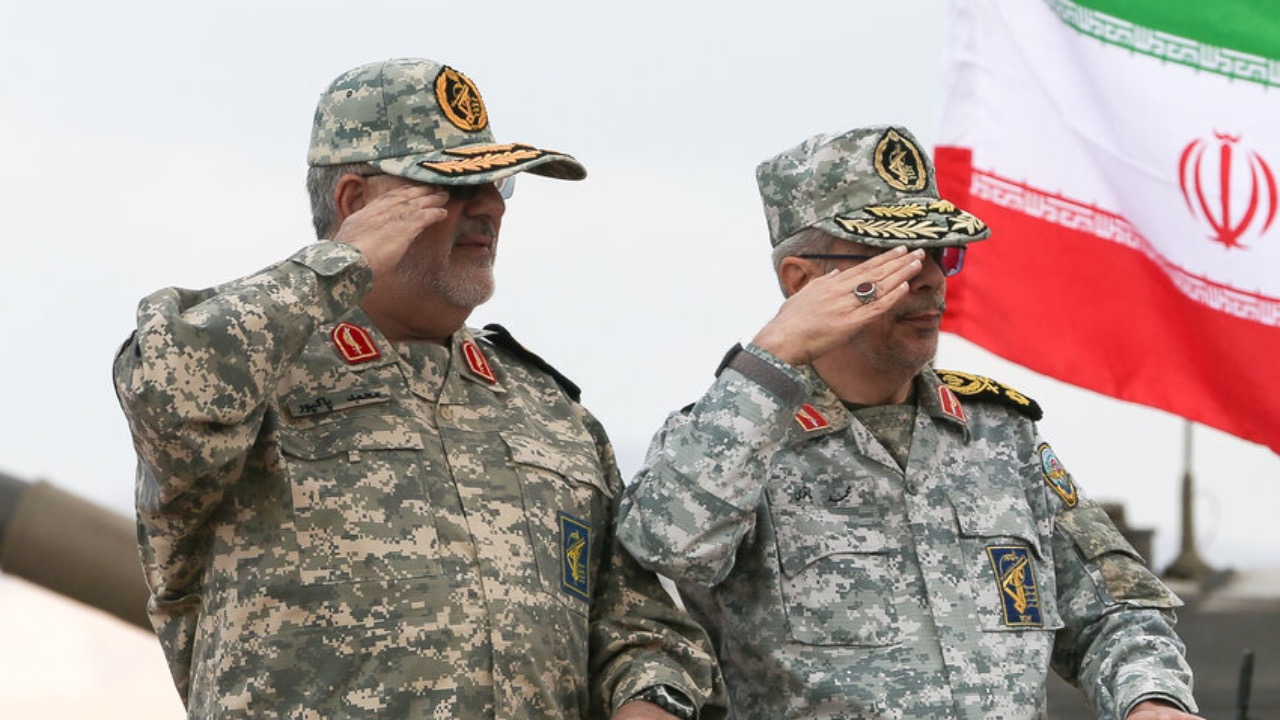
Iranian commanders, including those from the IRGC, have outlined plans for rapid retaliation involving barrages against Gulf energy sites. They point to U.S. and allied actions as justification, framing their response as necessary defense. Maps and lists of potential targets have circulated in Iranian media, highlighting facilities tied to regional economies and foreign interests.
This approach builds on Iran’s existing missile and drone capabilities, tested in earlier exchanges during the conflict. Officials emphasize that they view certain infrastructure as legitimate in the event of renewed strikes on their own power systems or other assets. The messaging aims to deter escalation while preparing forces for high-intensity operations if needed.
Regional dependencies and economic exposure
Gulf states rely on concentrated clusters of refineries, ports, and desalination complexes along coastlines. These assets support global oil flows and local needs, but their proximity to potential conflict zones makes them sensitive. Power and water systems often share locations, meaning damage in one area can affect the other.
Economies built around energy exports face immediate pressure from any interruptions. Past incidents, including debris from interceptions and reported strikes, have already shown how quickly operations can face halts or reduced capacity. Nations in the region continue balancing defense improvements with diplomatic efforts to avoid wider fallout.
The human and strategic costs ahead
Civilians in Gulf cities would bear much of the burden from disrupted water and power. Hospitals, homes, and businesses depend on steady supplies, and experts warn of potential displacement or health crises in worst-case scenarios. International observers highlight the need for precautions to limit harm to essential services.
For Iran, the threats represent a calculated risk in a prolonged standoff. U.S. officials have weighed responses amid concerns over oil prices and regional stability. As deadlines and negotiations shift, both sides navigate a narrow path where further strikes could push the situation into more unpredictable territory.
Broader implications for the ongoing conflict
The focus on desalination and energy targets marks a shift toward infrastructure warfare with lasting consequences. Previous rounds of strikes have already caused damage and tested defenses across borders. Analysts track these developments closely, noting how they influence global markets and alliances in the Middle East.
De-escalation remains a priority for many involved, yet the public vows from Iranian forces keep the possibility of renewed barrages alive. The coming weeks will test whether diplomacy can contain the risks or if the cycle of threats leads to direct action on these vital sites.

Asher was raised in the woods and on the water, and it shows. He’s logged more hours behind a rifle and under a heavy pack than most men twice his age.