US Air Force General Reportedly Storms Out of Emergency Meeting After Trump Push to Invoke Nuclear Options Against Iran, Citing Military Justice
You watch these moments unfold in Washington and sense the weight they carry for everyone involved. Reports have circulated about sharp disagreements inside the administration over how far to push against Iran, especially as talks continue and military options remain on the table. The idea that a senior officer pushed back hard enough to leave a meeting highlights the serious legal and ethical lines that always surround nuclear questions. These accounts, though unconfirmed by official channels, reflect deeper worries about command decisions in high-stakes crises.
Such stories spread quickly online and in partisan circles, often fueled by anonymous insiders or commentators. They tap into real concerns about civilian-military relations and the limits placed by the Uniform Code of Military Justice. Yet major outlets and fact-checkers have found no solid evidence for the specific claim of a dramatic walkout by the Joint Chiefs chairman over nuclear authorization.
The Chairman in the Spotlight
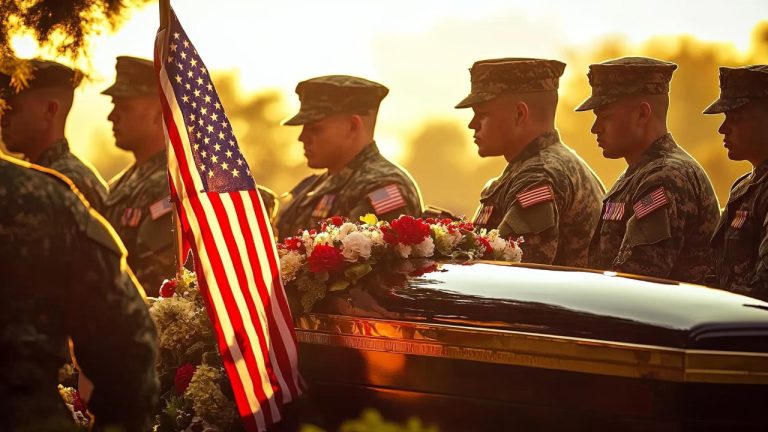
Air Force Gen. Dan Caine serves as chairman of the Joint Chiefs of Staff during a period of intense pressure on Iran policy. His public statements have focused on operational realities, risks to U.S. forces, and the need for clear objectives in any potential escalation. Officers in his position advise on feasibility and consequences without making the final call.
You see him navigating a landscape where threats of force coexist with active negotiations. Caine has referenced the scale of past strikes and the resources required for larger actions, underscoring the strain any broader conflict would place on American capabilities. His approach emphasizes measured assessments rather than public confrontation.
Nuclear Thresholds and Military Advice
Nuclear weapons occupy a unique place in U.S. doctrine. Any discussion of their use triggers strict protocols, including legal reviews under military justice rules that bind service members. Generals routinely present options and flag concerns about proportionality, escalation, and long-term fallout.
You recognize how these conversations test the balance between presidential authority and professional military counsel. Past episodes in different administrations have shown officers preparing safeguards against impulsive orders while still respecting the chain of command. The absence of verified nuclear directives in the current Iran context keeps these reports in the realm of rumor for now.
Context of Iran Negotiations
Talks with Iran have moved in fits and starts, with Trump pausing planned strikes after receiving proposals from Tehran. He has spoken of a strong chance for a deal limiting Iran’s nuclear program while keeping aggressive rhetoric alive if diplomacy stalls.
You follow the back-and-forth over enrichment limits, regional proxies, and oil routes like the Strait of Hormuz. Strikes have already hit Iranian sites, yet full-scale confrontation remains off the immediate table as both sides probe for acceptable terms. This environment breeds speculation about internal debates.
Fact Versus Rumor in Real Time
Social media and certain commentators amplified claims of a general storming out after refusing nuclear-related orders. Those stories often cite unnamed sources or former analysts, gaining traction amid broader tensions.
You notice how quickly unverified narratives fill information gaps. Established reporting from outlets across the spectrum has not corroborated the walkout, treating it instead as unproven. This gap between viral posts and confirmed events matters when shaping public understanding of leadership dynamics.
Broader Implications for Civil-Military Relations
Disagreements between elected leaders and uniformed officers are not new, but they gain extra gravity around nuclear issues. The military’s role includes candid advice on risks, even when that advice complicates preferred paths.
You consider how these frictions play out under public scrutiny. Maintaining trust in the system requires clear boundaries and transparent processes, especially when rumors swirl. The current episode, whatever its exact details, reminds everyone of the high stakes involved in decisions that could reshape global security.

Asher was raised in the woods and on the water, and it shows. He’s logged more hours behind a rifle and under a heavy pack than most men twice his age.