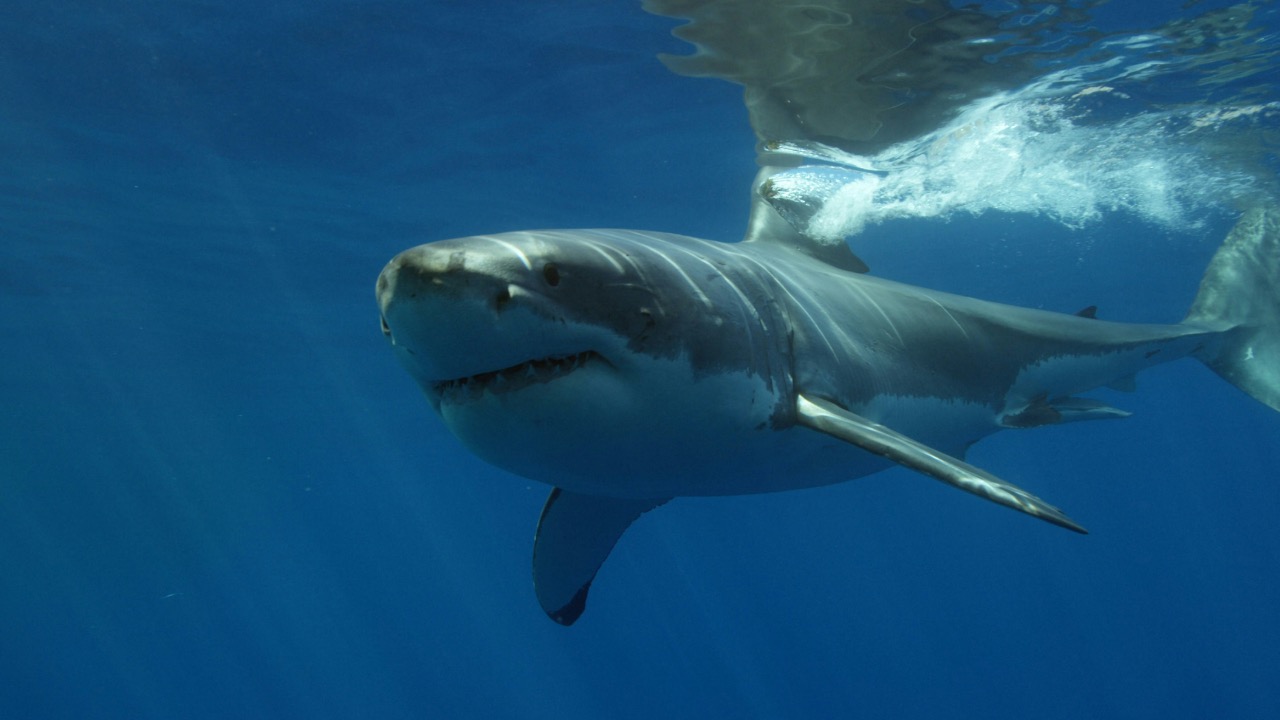
Great white shark kills spearfishing diver in ‘horrific’ attack
A spearfishing trip off Western Australia has ended in catastrophe, with a great white shark killing a 38-year-old diver in front of his friends near Rottnest Island. The attack, described by witnesses as “horrific,” has shocked Perth’s diving community and renewed debate over how to manage shark risks at one of the state’s most popular holiday spots.
Authorities say the victim was pulled from the water with catastrophic injuries after the shark struck in clear conditions at a known spearfishing site. Despite frantic efforts by his companions and emergency crews, he could not be saved, leaving a young family and tight-knit local network in grief.
What happened
The diver, identified as Perth father Steven Mattaboni, had joined a small group of friends on a spearfishing outing off the south side of Rottnest Island, a short boat ride from the mainland. According to early accounts, the group had been in the water for only a short time when a large great white shark appeared and targeted Mattaboni as he surfaced near the boat.
Witnesses told police the shark struck with such force that the attack was over within seconds. One account, relayed by friends and later repeated in media coverage, described the animal as roughly 13 feet long and said it tore the diver apart in front of his companions. That description of the shark’s size and the brutality of the encounter is consistent with details reported in a viral piece about a great white attack that left onlookers traumatized.
Rottnest Island is a popular destination for Perth residents and interstate tourists, known for sheltered bays, clear water and abundant marine life. On this trip, the group had been spearfishing in a deeper offshore area, where visibility was good and conditions were calm. According to travel-focused reporting on the incident, the attack occurred near a heavily visited island vacation spot, with the victim dying after a great white shark that unfolded only a short distance from leisure boats and tour operators.
Emergency services were alerted by a mayday call from the boat. Other vessels in the area responded, and paramedics met the group when they reached the mainland, but the injuries were too severe. Authorities later confirmed that a great white shark was responsible, based on eyewitness descriptions and the pattern of wounds.
National coverage has framed the incident as part of a troubling pattern of serious shark encounters around Rottnest and other Western Australian beaches. One report on the fatality described how a shark killed a spearfishing diver in while his horrified friends watched from the boat, highlighting the speed of the attack and the lack of warning signs in the water beforehand.
Local reporting has focused on the man behind the headlines. Mattaboni has been named publicly as a Perth father and keen ocean user, with tributes describing him as a devoted parent and experienced diver. One detailed account identified him as the victim of the Rottnest Island shark, noting that he regularly visited the island and was familiar with its waters.
Friends have spoken of a tight-knit group that often spearfished together and prided itself on safety awareness. They carried standard equipment, stayed within visual range of one another and kept close to the boat. None of that prevented the sudden strike. A separate account of the same incident described how the diver was effectively torn to death by a 13-foot shark, reinforcing the sense that the group had little chance to react.
Why it matters
Shark attacks in Australia remain statistically rare, but each fatality carries enormous emotional and political weight. Rottnest Island is not a remote surf break. It is a heavily marketed holiday destination, with ferries carrying families, school groups and tourists across from Perth every day. The idea that a father could be killed by a shark while spearfishing near such a familiar backdrop cuts through abstract risk calculations and lands as a personal fear for many ocean users.
For Western Australian authorities, the case will intensify scrutiny of how shark hazards are managed around high-traffic islands and beaches. The state already invests in aerial patrols, tagged shark monitoring and beach closures when large predators are detected. Critics argue that those measures are unevenly applied and do little for offshore spearfishers and divers who operate beyond patrolled swimming zones.
The Rottnest attack also feeds into a long-running debate over lethal shark control. Some coastal communities have pushed for drum lines or culls after previous fatalities, arguing that human life should take priority over apex predators. Marine scientists counter that killing sharks does not reliably reduce risk and can harm ecosystems that depend on top predators to maintain balance.
In this case, authorities have so far taken a cautious approach, focusing on investigation, support for the family and warnings to other water users. There has been no immediate move toward a targeted hunt for the shark involved, a stance that reflects both scientific advice and previous controversies over culling policies in Western Australia.
The human impact extends well beyond policy circles. Spearfishing communities in Perth and across Australia are grappling with the psychological toll of a death that unfolded in such a graphic way. Witnesses who saw the attack at close range are likely to need long-term support. The story has also resonated with divers globally, many of whom see spearfishing as a way to connect directly with the ocean and harvest food sustainably, yet now face fresh questions from family members about safety.
Media coverage of the event has amplified that tension. Graphic descriptions of the attack, including references to the victim being torn apart, satisfy public curiosity but can compound trauma for those close to the victim and for others who have survived shark encounters. At the same time, detailed reporting contributes to public understanding of how such attacks occur and what, if anything, might reduce the risk.
Tourism operators around Rottnest must now navigate the delicate task of reassuring visitors without downplaying the reality of apex predators in local waters. Many will point out that thousands of people swim, snorkel and dive around the island every year without incident. Yet the image of a fatal attack in clear daylight, near a beloved holiday destination, is likely to linger in the public imagination long after the news cycle moves on.
What to watch next
The immediate focus will be on official investigations into the circumstances of the attack. Authorities are expected to review weather conditions, depth, distance from shore and any shark sightings in the days leading up to the incident. That information will feed into future guidance for spearfishers and divers around Rottnest and similar offshore locations.
One key question is whether current shark monitoring systems can be adapted to better protect people who venture beyond patrolled beaches. Western Australia’s tagged shark network is designed primarily for nearshore alerts that trigger beach closures and text messages. Spearfishers often operate in deeper water and rely on word of mouth or personal experience rather than official warnings. Policymakers may now consider whether additional offshore buoys, enhanced aerial surveillance or real-time mapping tools could close that gap.
Another area to watch is how this attack shapes public attitudes toward shark conservation. Great whites are protected in Australian waters, and many marine scientists argue that their numbers are still recovering from decades of overfishing. A highly publicized fatality can harden opposition to those protections, especially among coastal communities that feel they bear the brunt of the risk.
Environmental groups are likely to stress that sharks have shared these waters with humans for generations and that risk cannot be reduced to zero without damaging the health of the ocean itself. They often advocate for non-lethal measures such as personal deterrent devices, improved education on shark behavior and better data collection on when and where large predators are most active.

Leo’s been tracking game and tuning gear since he could stand upright. He’s sharp, driven, and knows how to keep things running when conditions turn.