Three dead and a dozen injured after exposure to unknown substance
In a quiet town east of Albuquerque, emergency responders arrived at what seemed like a routine call for a possible overdose. Instead, they walked into a scene that left three people dead and exposed more than a dozen of their own to an unidentified substance. The event has shaken Mountainair, a close-knit community of under a thousand residents, and raised fresh questions about hidden dangers in everyday emergencies.
You find yourself considering how quickly a welfare check can turn hazardous when the substance involved defies immediate identification. Officials emphasize it spreads mainly through contact rather than air, offering some reassurance to neighbors. Yet the speed with which symptoms appeared among trained personnel highlights the unpredictable nature of these situations.
The Initial Call and Discovery
Dispatch sent crews to a home after reports that several people had not shown up for work. Inside, four individuals lay unresponsive. Three did not survive despite efforts to revive them, while the fourth received treatment at a hospital in Albuquerque. Names remain withheld as investigations continue.
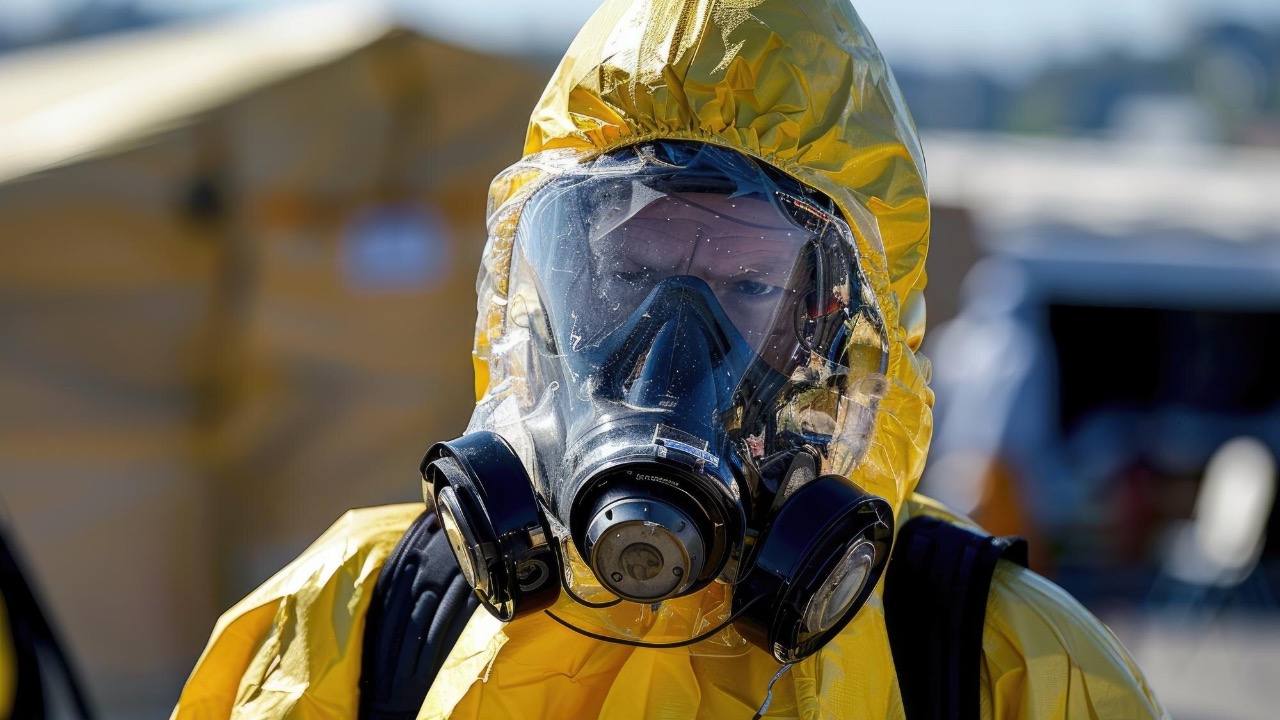
First responders who entered the residence soon reported feeling ill, with symptoms including nausea and dizziness. This prompted an immediate hazmat response and decontamination procedures for those affected. The shift from routine medical aid to a full hazardous materials operation caught many off guard in this small-town setting.
How Exposure Affected Responders
More than a dozen firefighters, EMTs, and police officers experienced symptoms after contact at the scene. They underwent assessment and monitoring at local medical facilities, with most released after observation. A few required additional care overnight.
You realize the human cost extends beyond the initial victims. These professionals put themselves at risk daily, and this incident serves as a stark reminder of the vulnerabilities they face. Volunteers and career responders alike described the fear that sets in when protective measures prove insufficient against an unknown threat.
The Town’s Tight Community Response
Mountainair shut down its town hall the following day to allow employees time to process the loss. Local leaders described the deceased as familiar faces who worked in the area, adding a personal layer to the sorrow felt throughout the community.
Residents have turned to social media to express concerns about broader substance issues affecting their region. The event stirs conversations about support systems and prevention, even as everyone processes the immediate shock. In places like this, tragedies ripple outward quickly among those who know one another well.
Ongoing Efforts to Identify the Substance
Investigators from multiple agencies continue testing to determine what caused the deaths and illnesses. Early indications point away from carbon monoxide or common gases, focusing instead on materials that transfer through touch. No danger exists to the wider public, according to state police.
You might wonder about the challenges of analyzing unfamiliar compounds under pressure. Hazmat teams secured the area while samples head to laboratories. Results could influence future protocols for similar calls, potentially changing how responders approach suspected overdoses in the future.
Broader Context of Substance Challenges
New Mexico continues to grapple with high rates of drug-related deaths, ranking among the highest in the country in recent years. This incident adds to those statistics while illustrating secondary risks to those who respond to such emergencies.
Communities across the state seek ways to address addiction through education, family involvement, and accessible help. Officials note that meaningful progress demands sustained commitment at every level, from local support networks to larger policy efforts. This case in Mountainair brings those ongoing struggles into sharper focus for everyone involved.

Asher was raised in the woods and on the water, and it shows. He’s logged more hours behind a rifle and under a heavy pack than most men twice his age.