Report Says Trump Was Excluded From Military Operation Over Concerns About His Behavior
A recent report claims that Donald Trump was excluded from direct involvement in a high-level military operation involving Iran due to concerns from senior officials about his behavior and reactions during sensitive moments. The report describes a situation where military and national security leaders made the unusual decision to limit his real-time participation in order to avoid potential disruption during the operation.
The situation reportedly centered on a rescue or strike-related mission that required fast, coordinated decision-making. According to the account, advisers worried that emotional reactions or impulsive directives during live updates could interfere with planning at a critical stage. That led to a more controlled flow of information, where Trump was briefed at specific points rather than being fully embedded in the command process.
What the report claims about the exclusion
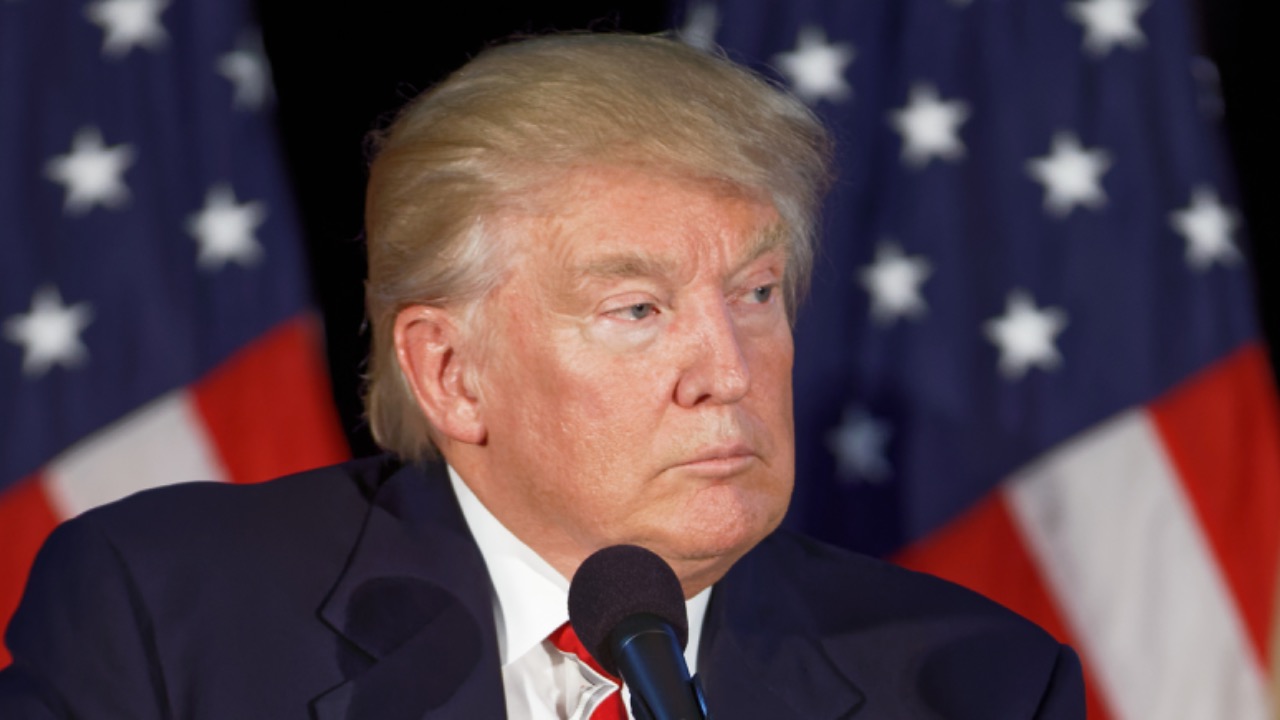
The report suggests that senior military officials chose to keep Trump out of the Situation Room or limit his access to real-time operational details during the mission. The reasoning given was not about authority, but about managing risk during a fast-moving and sensitive operation involving U.S. forces and Iranian territory.
In these kinds of situations, the Situation Room is typically the center of command coordination. Presidents are usually briefed continuously and can give direct input. However, the report alleges that aides instead filtered information and only provided updates at certain stages, aiming to prevent sudden shifts in direction during the operation.
Concerns cited by officials
The central concern described in the report was behavior under pressure. Officials reportedly feared that strong emotional reactions or rapid decision changes could complicate an already delicate mission. In high-stakes military operations, even small delays or conflicting instructions can create serious operational risks.
Supporters of tight control over information flow argue that it is sometimes necessary to protect mission integrity. Critics, however, view any exclusion of a sitting president from real-time command discussions as highly unusual and potentially concerning from a chain-of-command perspective.
How military command structure normally works
Under normal circumstances, the president is the top decision-maker for U.S. military operations, while the Pentagon and combat commanders handle execution. The National Security Council and military advisers are responsible for briefing and advising, not filtering access from the commander-in-chief.
That’s why reports of restricted access stand out. While advisers can manage how information is presented, fully limiting participation is rare and typically only discussed in extreme scenarios involving operational security or time-sensitive risk management.
Political and public reaction
The report has fueled political debate, with supporters of Trump questioning the accuracy and motivation behind the claims, while critics point to it as evidence of broader concerns about leadership stability during crisis situations. As with many high-profile national security stories, interpretations vary widely depending on political perspective.
So far, there has been no independently confirmed official explanation detailing the full internal decision-making process behind the alleged exclusion. That leaves much of the story dependent on reporting, insider accounts, and competing narratives about what happened inside the administration during the operation.
What it means going forward
Even if the details remain disputed, the report highlights a larger issue: how modern military operations balance civilian leadership with fast-moving battlefield decisions. In an era of rapid escalation risks, especially involving Iran and the Strait of Hormuz region, command structure and communication discipline become central to avoiding mistakes.
For now, the story continues to circulate as part of a broader debate about presidential behavior, military trust, and how sensitive operations are managed at the highest levels of government.

Leo’s been tracking game and tuning gear since he could stand upright. He’s sharp, driven, and knows how to keep things running when conditions turn.