Trump meets national security team as he weighs new military strikes on Iran
President Donald Trump gathered his top national security advisers in the White House on Friday morning for a focused discussion on the next phase with Iran. The session came as diplomatic efforts have hit serious roadblocks, leaving the administration to consider whether fresh military action makes sense after months of conflict and a fragile ceasefire. You find yourself watching these developments unfold against a backdrop of high stakes in the Middle East, where earlier strikes have already reshaped the region’s power balance.
Inside the Friday session
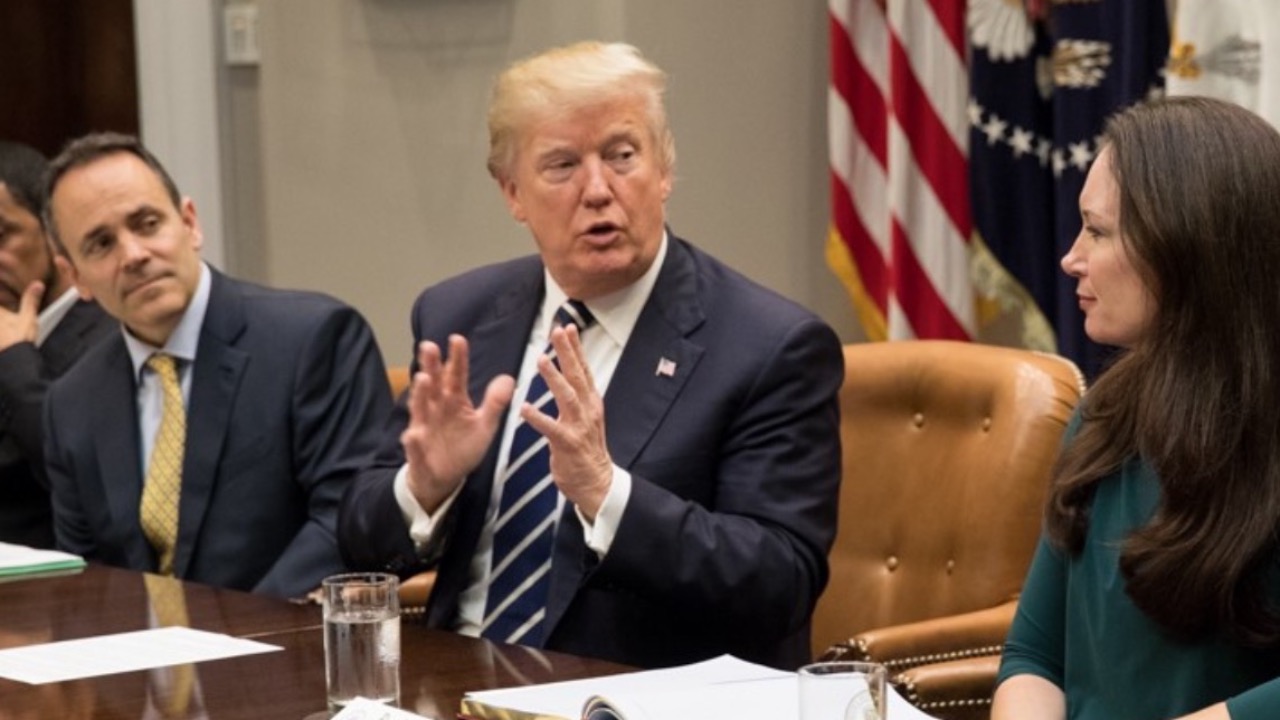
Key figures joined Trump around the table, including Vice President JD Vance, Defense Secretary Pete Hegseth, and CIA Director John Ratcliffe. They reviewed the current state of play with Iran, touching on stalled talks over the nuclear program and control of key waterways. Sources familiar with the gathering described a serious tone as officials laid out where things stand after previous rounds of engagement.
The conversation reflected ongoing frustration with the pace of diplomacy. Trump and his team have kept pressure on Tehran while leaving room for last-minute progress, but the window appears narrower now. You see how these closed-door meetings shape decisions that ripple far beyond Washington.
Current state of talks
Negotiations with Iran have dragged on without clear breakthroughs on core issues like uranium enrichment and regional influence. Mediators and backchannel contacts continue their work, yet differences remain wide on what a lasting arrangement would require from both sides. The administration has signaled it will not accept arrangements that leave major threats intact.
You notice how economic tools and military posturing have run alongside these discussions. Iranian officials have pushed their own positions, while the U.S. side holds firm on limiting capabilities that could threaten shipping lanes or allies in the Gulf. Progress feels incremental at best.
Military options on the table
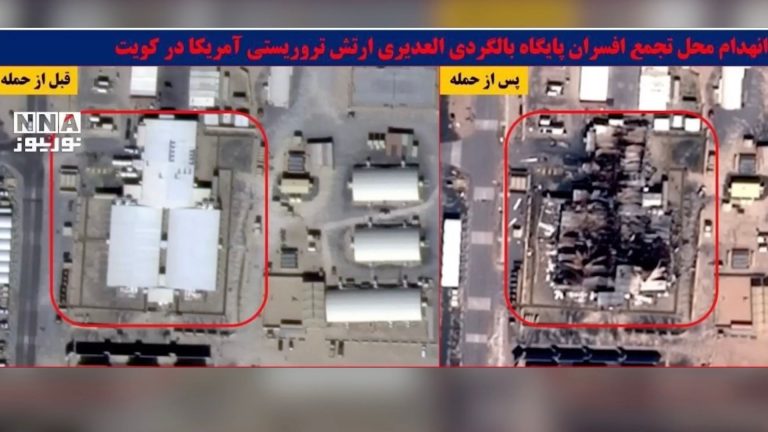
Officials examined available targets, including restored missile sites, energy infrastructure, and remaining nuclear-related facilities. Earlier operations degraded much of Iran’s capacity, but some assets have been rebuilt or relocated. The focus stays on achieving concrete results without unnecessary prolongation.
You consider the balance the team must strike between effectiveness and restraint. Any renewed action would aim to address specific gaps left from prior strikes, with input from military planners who understand the terrain and potential responses. No final call has emerged from these reviews.
Regional and global ripple effects
Gulf partners watch closely, some urging caution to avoid broader disruptions to oil flows and stability. The situation around the Strait of Hormuz adds another layer of concern, given its role in global energy markets. Allies and adversaries alike track how Washington might move next.
You sense the wider implications for U.S. posture in the Middle East. Decisions made in these meetings affect everything from troop deployments to diplomatic relationships built over years. The administration weighs these factors while keeping its stated goals in sight.
Looking ahead
The coming days will likely clarify whether diplomacy gains traction or if military steps resume. Trump has indicated he wants results soon, either through an agreement or stronger measures to enforce limits on Iran. Preparations continue on multiple tracks to keep options open.
You follow these events knowing how quickly circumstances can shift in this region. The meeting underscores the administration’s willingness to use all tools available, even as it navigates the complexities of ending the current tensions on acceptable terms.

Asher was raised in the woods and on the water, and it shows. He’s logged more hours behind a rifle and under a heavy pack than most men twice his age.