Top 10 Rifles Hunters Trust When the Shot Really Counts
When a tag is on the line and daylight is fading, hunters reach for rifles that are proven, not theoretical. The models that keep showing up in blinds and backcountry camps share a track record of accuracy, reliability, and real animals on the ground. This rundown looks at ten rifles that seasoned hunters trust when the shot has to land, focusing on how they perform in the field rather than on a spec sheet.
Each choice reflects patterns seen in long-term accuracy testing, precision rifle evaluations, and practical gear reviews. Taken together, they sketch a clear picture of what modern big game hunters rely on when the margin for error shrinks to almost nothing.
What happened
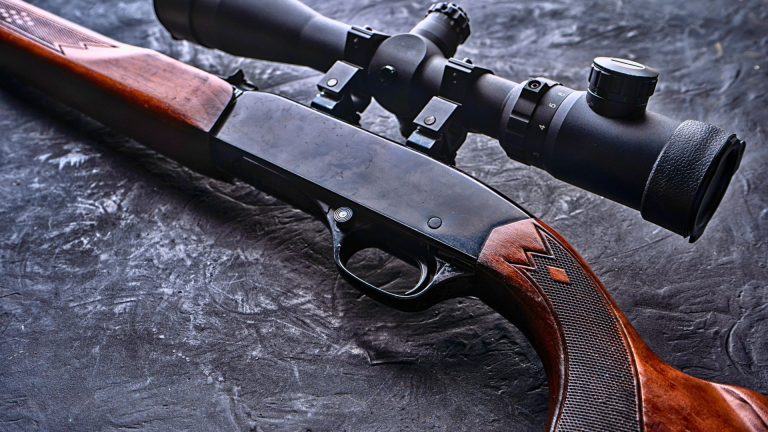
Over the last decade, independent accuracy tests on production hunting rifles have become far more rigorous, with groups fired from multiple loads and careful tracking of sub minute of angle performance. In one extensive evaluation, testers identified ten factory hunting rifles that repeatedly produced groups at or under 1.0 minute of angle, with several models clustering closer to the half minute mark under ideal conditions. That list included familiar names such as the Tikka T3x, Bergara B-14, Browning X-Bolt, and several precision oriented variants that blur the line between mountain rifle and competition rig, all documented in a detailed review of the most accurate factory.
Meanwhile, optics specialists have been charting how modern scopes and chassis style stocks have pushed practical field accuracy further than what most hunters grew up with. Evaluations of precision rifle scopes highlight how features such as first focal plane reticles, zero stop turrets, and high quality glass now appear on tools marketed directly to hunters, not just competition shooters. A recent rundown of top precision scopes showed several models explicitly designed to ride on hunting rifles that stretch shots across canyons and beanfields.
At the same time, semi automatic platforms have matured into serious hunting tools. Reviews of optics for .308 pattern rifles show how the AR-10, once seen mainly as a tactical rifle, now fills roles from hog control to Western elk hunting. Guidance on the best AR-10 scopes treats that platform as a normal part of the hunting conversation, not an outlier.
Across these sources, ten rifles stand out as recurring choices when shooters demand repeatable hits on game sized targets under field stress. Some are lightweight bolt actions, others are heavier precision rigs, and one slot belongs to the modern semi automatic. Together they represent a snapshot of what serious hunters are carrying into the woods and mountains right now.
Why it matters
For hunters, rifle choice is not just about brand loyalty. It shapes ethical range, confidence on marginal weather days, and ultimately whether a shot is taken at all. The rifles that keep rising to the top share several traits that directly affect clean kills.
First, they produce predictable accuracy with common hunting ammunition. The factory rifles that recorded repeated sub minute groups in controlled testing give hunters more margin when wind, adrenaline, and awkward shooting positions start to erode precision. A Tikka T3x or Bergara B-14 that prints tight clusters from a bench is not a guarantee of success on a steep hillside, but it removes one major variable. When the rifle and load have already proven they can keep bullets inside a small circle at distance, the hunter can focus on reading wind and managing the trigger.
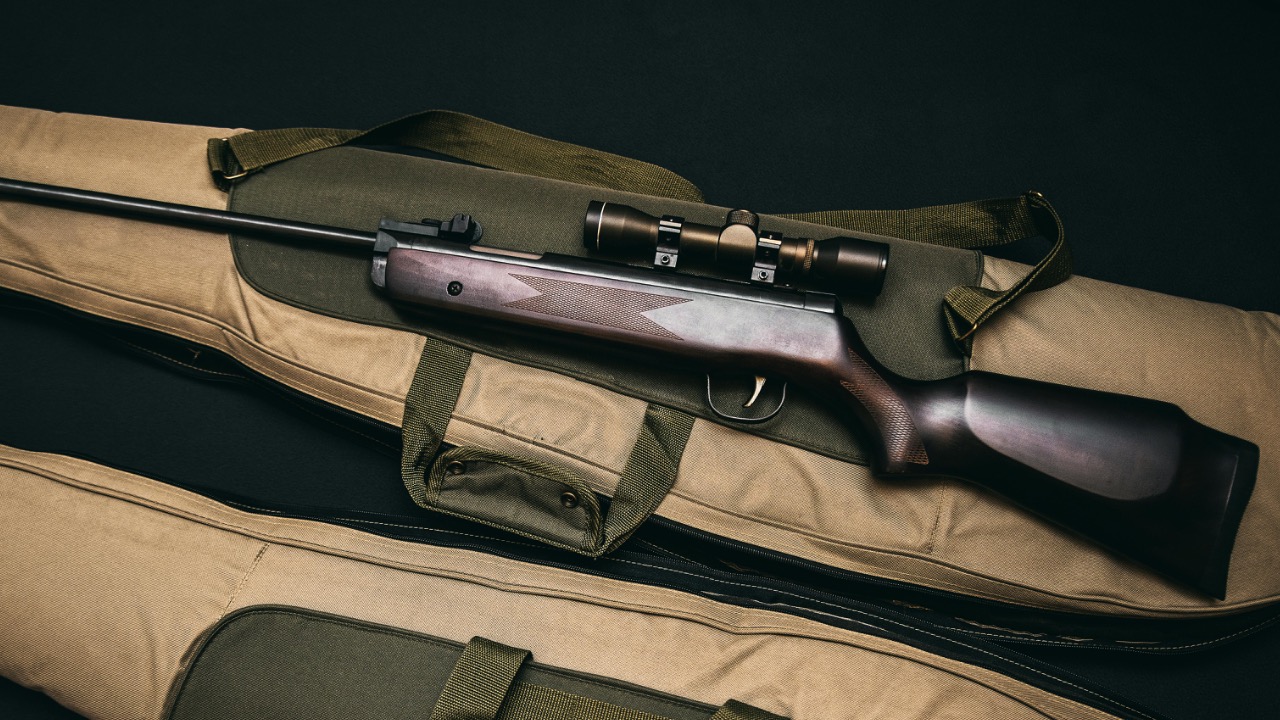
Second, these rifles integrate well with modern optics that extend practical range. Precision scope tests show that features like consistent tracking, clear glass at high magnification, and reliable return to zero are no longer confined to heavy competition rigs. When a Browning X-Bolt or similar hunting rifle wears a dialable optic that has been vetted in precision reviews, the shooter can confidently dial elevation for a 400 yard shot instead of holding over and guessing. That combination of accurate rifle and repeatable scope turns ballistic charts into real world hits rather than theory.
Third, ergonomics and stock design play a quiet but decisive role. The rifles that testers praise most often share comfortable comb height, predictable recoil impulse, and a grip angle that supports a straight trigger press. A well designed synthetic stock on a production rifle can absorb weather abuse while still letting the shooter maintain a consistent cheek weld. In the field, that means less time wrestling for position and more time confirming wind and animal behavior before the shot.
The rise of the AR-10 as a legitimate hunting platform adds another dimension. Semi automatic rifles chambered in .308 Winchester or similar cartridges offer fast follow up shots and familiar controls for shooters who train heavily with modern sporting rifles. When paired with optics specifically tuned for that platform, as outlined in AR-10 scope guides, hunters gain a tool that blends battlefield reliability with deer stand practicality. For hog control or predators where multiple targets may appear at once, that combination can be more effective than a traditional bolt action.
All of this matters because shots on game are rarely taken from perfect benches. Wind gusts, cold fingers, and awkward rests on backpacks or tree limbs are the norm. Rifles that have already proven they can stack bullets tightly in controlled testing give hunters a buffer against those field imperfections. In ethical terms, that buffer translates into fewer wounded animals and more clean recoveries.
What to watch next
The ten rifles that dominate current accuracy and hunting tests form a core group, but the direction of travel in rifle design points to several trends that hunters should track.
One clear shift is the continued blending of precision and hunting features. Rifles that once would have been considered heavy for mountain use now come in lighter chassis or carbon wrapped barrel versions, giving shooters adjustable stocks and rigid fore-ends without a huge weight penalty. As precision scope technology trickles further into mid priced optics, more hunters will likely pair dialable turrets and detailed reticles with factory rifles that already shoot near half minute groups. That combination will keep pushing ethical shot distances, which in turn demands more training in wind reading and positional shooting.
Another trend is the normalization of semi automatic hunting rifles. As AR-10 specific optics and mounts become more refined, and as ammunition makers continue to offer bonded and monolithic bullets tuned for .308 and related cartridges, the line between traditional deer rifle and modern sporting rifle will keep blurring. Hunters who grew up on bolt actions may find that a well set up AR-10 offers the same or better accuracy with faster follow up shots, especially for hogs, coyotes, and open country deer.
Weight and portability will remain a counterweight to that precision push. Backcountry hunters who carry rifles for miles each day still favor simple, lightweight bolt actions that deliver the first cold bore shot exactly where it needs to go. For that group, the most relevant developments will likely be in materials and barrel technology that maintain or improve accuracy without adding ounces. Carbon fiber stocks, fluted barrels, and compact optics that still offer reliable dialing will be the features to watch.
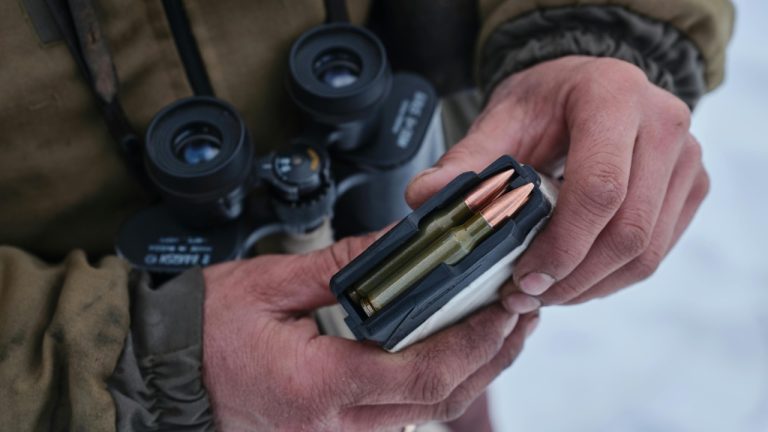
Finally, ammunition choice will continue to interact with rifle selection. The rifles highlighted in accuracy testing often show clear preferences for certain bullet weights and designs. As more hunters chronograph their loads and verify drops at distance, the expectation will grow that a hunting rifle and its chosen load form a matched system. Manufacturers that can ship rifles with recommended factory loads that have been tested to produce sub minute groups will have a clear marketing advantage and, more importantly, will give hunters a faster path to field ready confidence.
For now, the ten rifles that keep topping accuracy charts and showing up in successful hunts offer a reliable roadmap. Whether a hunter leans toward a classic bolt action, a hybrid precision rig, or a modern semi automatic, the common denominator is a tool that has already proven it can deliver when the shot truly counts.

Leo’s been tracking game and tuning gear since he could stand upright. He’s sharp, driven, and knows how to keep things running when conditions turn.