Invasive species gaining ground faster than agencies expected
Invasive species don’t spread in neat lines on a map. They jump rivers in bait buckets, hitch rides on boots, slip through ballast water, and take advantage of warmer winters that no one planned for twenty years ago. Agencies model expansion rates, set containment zones, and hope public compliance fills the gaps. In the field, things move quicker. Reproduction outpaces removal. Range edges leapfrog control efforts. By the time a species shows up in annual reports, it’s often already established. If you spend time outdoors, you’re seeing it firsthand—plants, insects, fish, and mammals settling in where they were never supposed to be, and doing it faster than the plans accounted for.
New Zealand Mud Snail
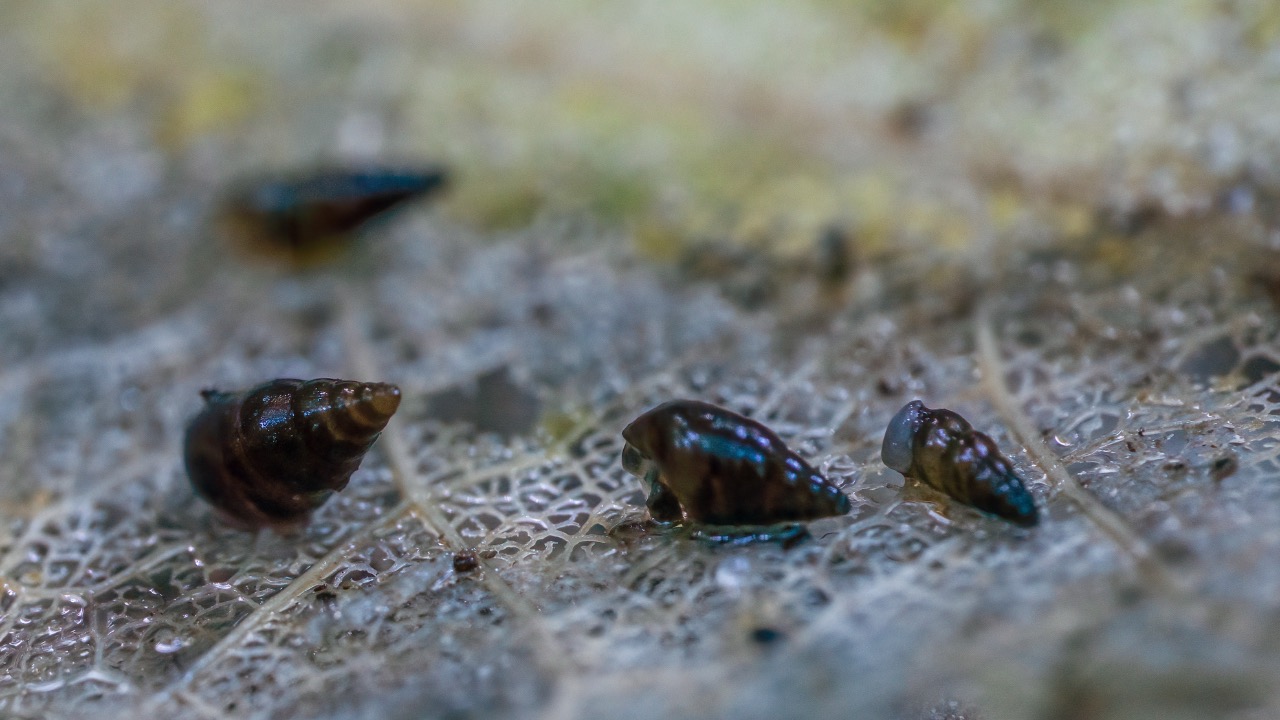
The New Zealand mud snail spreads quietly, which is why it keeps beating expectations. It’s tiny, clings to felt soles and waders, and survives days out of water. Once it’s in a river, it multiplies fast through cloning, not mating.
You don’t notice it at first because it doesn’t wreck habitat overnight. Instead, it crowds out native invertebrates that trout and other fish rely on. Agencies assumed slower movement between watersheds, but anglers unknowingly carried it upstream and across state lines. Once established, eradication isn’t realistic. Management turns into long-term damage control, and that shift happens faster than models predicted.
Asian Needle Ant
Asian needle ants don’t behave like the fire ants everyone watches for. They favor shade, leaf litter, and wooded edges, which lets them spread under the radar. You’re more likely to encounter them in a hardwood stand than an open yard.
Their sting is serious, sometimes triggering allergic reactions, and they displace native ant species that control forest pests. Agencies underestimated how well they tolerate cold and fragmented habitat. They’ve pushed farther north than expected and established stable populations in places once considered safe. By the time surveys catch up, colonies are already entrenched and hard to eliminate without broad chemical use.
Marbled Crayfish
Marbled crayfish are a biological cheat code. Every individual can reproduce on its own, producing genetically identical offspring at a staggering rate. One release into a pond or drainage is enough to start a population.
Agencies expected limited spread because of climate sensitivity, but the species proved adaptable. It tolerates poor water quality, low oxygen, and fluctuating temperatures. Once present, it overwhelms native crayfish and reshapes aquatic vegetation. Traditional control methods barely slow it down. What looked like a contained aquarium-release issue turned into a watershed-scale problem much faster than anticipated.
Giant African Land Snail
The giant African land snail doesn’t move fast, but it doesn’t need to. It eats everything from crops to stucco, carries parasites harmful to humans, and lays hundreds of eggs at a time.
Agencies banked on rapid detection, but these snails hide well and spread through yard waste, nursery plants, and soil movement. By the time they’re spotted, populations are already breeding. Eradication campaigns require years of hand removal and chemical treatment. The surprise hasn’t been where they show up, but how quickly small introductions turn into expensive, full-scale responses.
Flathead Catfish
Flathead catfish are native to parts of the U.S., but invasive elsewhere—and they spread aggressively once introduced. They grow large, live long, and eat just about anything that fits in their mouth.
Fisheries managers expected slower impacts, assuming native systems could absorb them. Instead, flatheads wiped out local sunfish, bullhead, and catfish populations in some rivers within a few seasons. Their ability to thrive in both reservoirs and rivers sped up expansion beyond projections. Once established, removal requires heavy pressure and constant effort, often without meaningful population collapse.
Feral Nilgai Antelope
Nilgai antelope weren’t expected to expand far beyond limited ranges, but they’ve proven otherwise. They’re hardy, fence-jumping animals that adapt quickly to new forage and terrain.
Beyond crop damage, they carry cattle fever ticks, which puts livestock health at risk. Agencies underestimated how effectively nilgai move across private land where access is limited. Control efforts lag behind reproduction, and populations spread into new counties before response plans activate. The challenge isn’t just numbers—it’s landscape scale and jurisdiction, which slows action while the animals keep moving.
Spotted Sea Lamprey in Inland Waters
Sea lamprey control programs assumed predictable spread tied to major waterways. What caught agencies off guard was how quickly they colonized smaller tributaries once barriers failed or aged out.
Lampreys don’t need large rivers to reproduce successfully. When conditions line up, they establish fast and hit native fish hard. Suppression programs managed by groups like U.S. Fish and Wildlife Service work, but only when infrastructure holds. When it doesn’t, lampreys expand before funding cycles and repair schedules can react, forcing emergency responses instead of planned containment.
Eurasian Watermilfoil Variants
Eurasian watermilfoil has been around for decades, but newer hybrid strains changed the timeline. These variants grow faster, resist herbicides, and spread through fragmentation more efficiently.
Agencies expected steady containment based on past experience. Instead, treatments that once worked now fall short. Boat traffic accelerates spread, and fragments establish new colonies in weeks. By the time lake managers notice reduced effectiveness, the plant has already expanded. What was once a manageable nuisance now behaves like a moving target, advancing faster than control strategies were built to handle.

Asher was raised in the woods and on the water, and it shows. He’s logged more hours behind a rifle and under a heavy pack than most men twice his age.