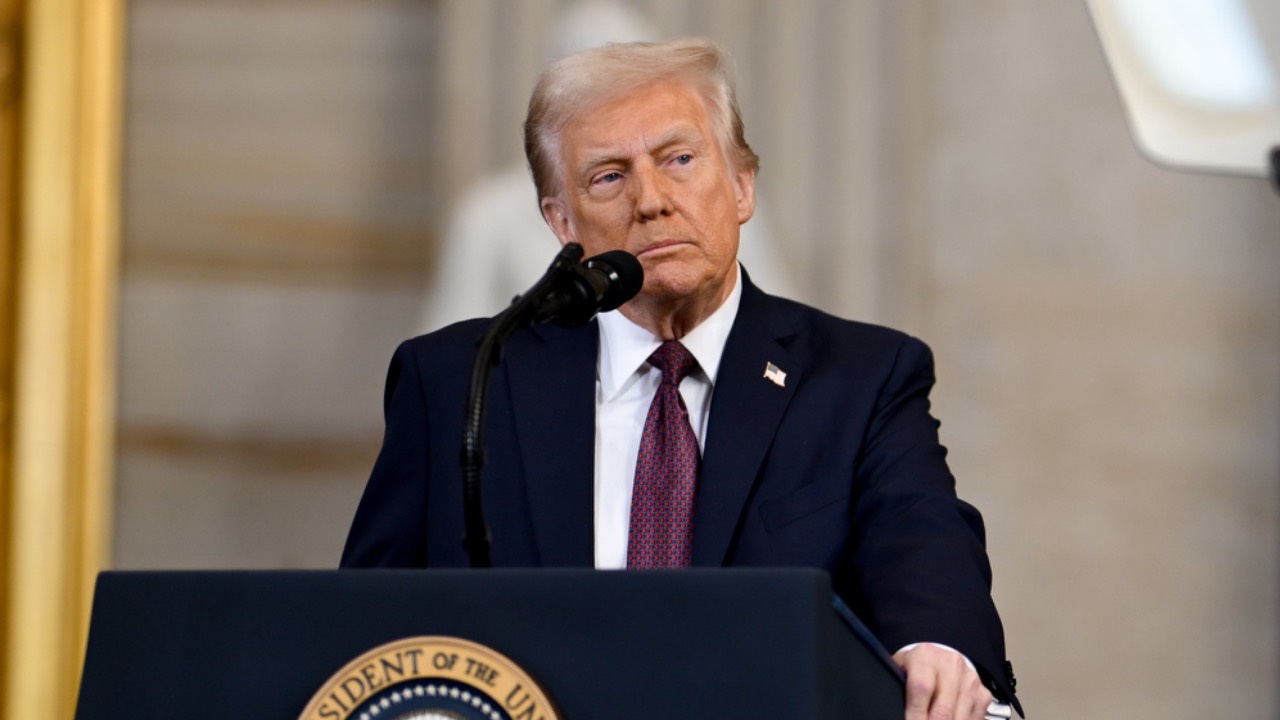
Fox News interrupts programming as Trump delivers stark ultimatum to Iran
You find yourself watching the usual evening lineup when the screen cuts abruptly to breaking coverage. Networks like Fox News occasionally break format for major developments, and this moment captures the tension in U.S.-Iran relations that has built over months of strikes, blockades, and talks. President Trump issued strong warnings tied to the Strait of Hormuz and Iran’s nuclear activities, reflecting a long pattern of confrontation mixed with diplomatic efforts.
The Moment Fox News Cut In
Screens shifted without warning during regular broadcasts as anchors stepped in with updates from the White House. Reports highlighted Trump’s latest statements delivered through interviews and posts, emphasizing deadlines for Iran to adjust its positions on shipping lanes and uranium enrichment. Viewers across the country paused to absorb the gravity, recognizing how quickly situations in the Middle East can escalate into broader concerns for global stability and energy markets.
This interruption underscored the administration’s focus on immediate action alongside ongoing conversations. Correspondents noted recent U.S. self-defense measures near key waterways, adding layers to the story that many followed closely through multiple outlets for context.
Understanding the Core Demands
Iran faces pressure to reopen passages critical for international oil transport and to limit its nuclear program in verifiable ways. Trump has pointed to these steps as essential for any lasting arrangement, warning of serious repercussions if unmet. The approach draws from years of similar standoffs where both sides test boundaries through rhetoric and limited operations.
You see how these requirements tie into larger security calculations for the region and beyond. Officials have described back-channel discussions continuing even amid threats, suggesting room remains for adjustments before further steps become necessary.
Context Around the Strait of Hormuz
The narrow waterway handles a significant share of global energy shipments, making any disruption a matter of economic importance worldwide. Recent restrictions there prompted direct responses from the U.S., including naval escorts and calls for full access. Iran’s control over the area gives it leverage, but it also invites counteractions that affect its own interests.
Observers track these movements because shifts here influence fuel prices and supply chains that reach households everywhere. The current phase builds on earlier incidents where limited exchanges raised fears of wider involvement from neighboring countries.
Negotiations Continue in the Background
Despite public warnings, representatives from both sides maintain lines of communication through intermediaries. Trump has mentioned productive exchanges at times, extending windows for proposals while keeping military options ready. This balance reflects the challenge of pushing for concessions without closing doors entirely.
You notice experts weighing the chances of a breakthrough against the risk of miscalculation. Past rounds of talks have shown how deadlines can accelerate movement, though deep differences on security guarantees often complicate final agreements.
Potential Outcomes on the Horizon
Developments could lead to eased tensions if Iran meets key conditions, or to intensified measures if positions harden. The administration signals readiness for either path, with input from cabinet members shaping the next decisions. Regional allies monitor closely, as their security links to these outcomes.
Many follow the story for its impact on everything from investment portfolios to international alliances. The coming days will test whether current pressures produce results or require recalibration.

Asher was raised in the woods and on the water, and it shows. He’s logged more hours behind a rifle and under a heavy pack than most men twice his age.