A black bear crosses your path — what hikers should do next
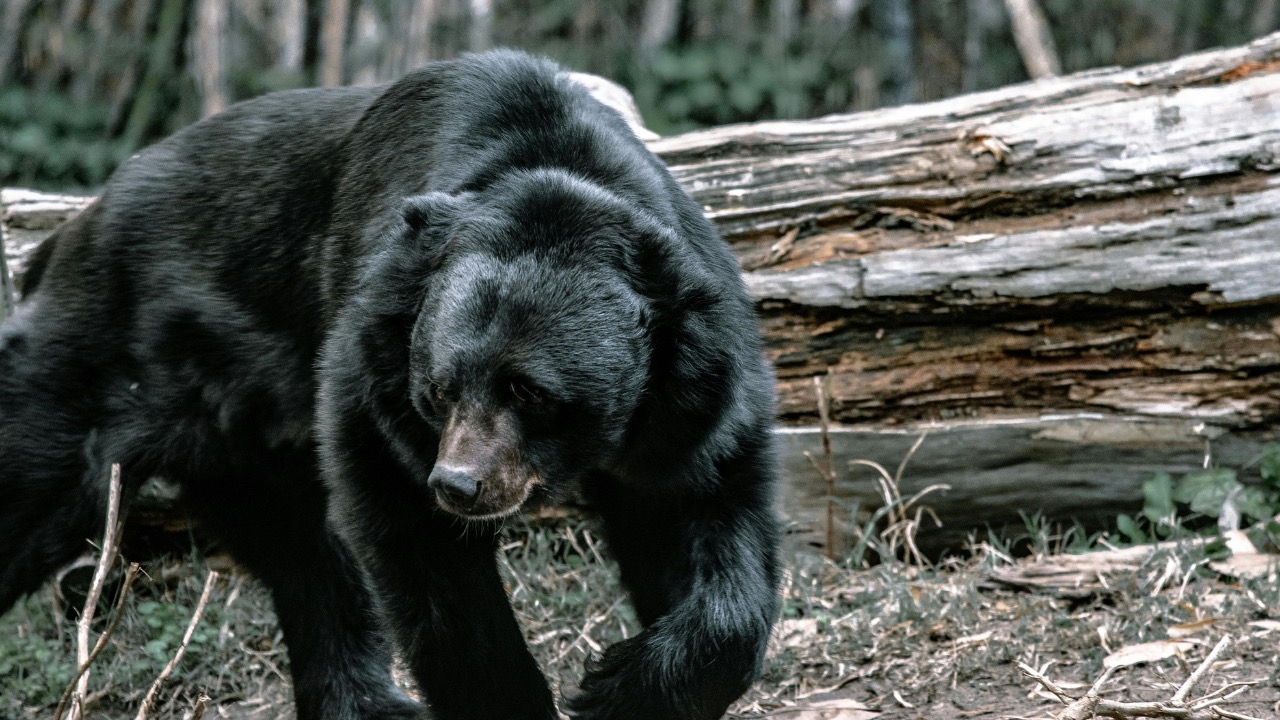
When a black bear suddenly appears on the trail, the difference between a memorable wildlife sighting and a dangerous encounter usually comes down to what hikers do in the next few seconds. Clear, practiced steps matter more than bravado or viral-video instincts. This guide focuses on what the science of bear behavior and official guidance say hikers should actually do once that dark shape steps onto the path ahead.
Most advice starts from the same premise: black bears are generally shy, but they are large, fast predators that can cause serious harm if they feel threatened or learn that people mean easy calories. Knowing how to react, how to move, and what never to do gives hikers a realistic way to stay safe while also protecting the bears that share popular trails and campgrounds.
Reading the moment when a bear appears
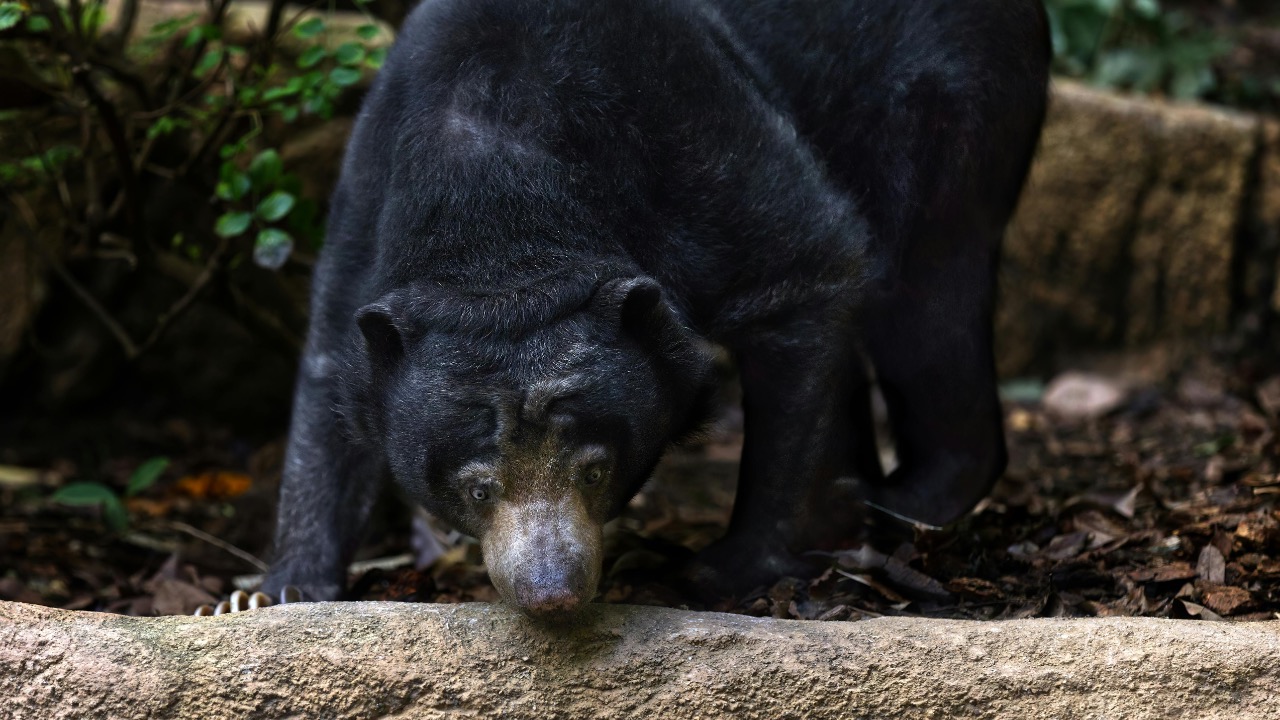
The first step is to stop walking, control your breathing, and quickly assess what the bear is doing instead of bolting or freezing in panic. I look at the bear’s body language, the distance between us, and whether it seems to be feeding, traveling, or already focused on me. National guidance on bear safety treats every sighting as a chance to pause and think, not a cue to sprint away, because sudden movement can trigger a chase response.
After that mental snapshot, I check my surroundings for an exit route that works for both me and the animal. If the bear is far away and unaware, the safest option is often to slowly back out of sight while keeping it in view. When it has clearly noticed me, I shift to active communication and careful movement, which official guidance treats as the next phase of a safe encounter rather than a reason to escalate.
How to identify yourself without provoking the bear
Following that first pause, I want the bear to know I am a person, not prey. Speaking in a calm, even tone helps the animal recognize me as human, which is why guidance explicitly recommends that hikers identify yourself by instead of screaming or making high-pitched noises. I keep my voice low and steady and avoid direct eye contact, which can look like a challenge in many animals’ social language.
In a group, we stand close together so we appear larger and more imposing without acting aggressively. That same guidance encourages people to hike and travel in groups partly because a cluster of humans is harder for a bear to approach or misinterpret. The goal is not to intimidate the animal into a fight, but to give it clear information that a group of upright, talking figures is not something it wants to tangle with.
Positioning your body and pack for safety
Once communication starts, posture becomes its own form of signaling. I keep my shoulders square to the bear, avoid turning my back, and hold my ground while I decide how to move away. If I am wearing a backpack, I keep it firmly on my body. Official guidance on black bear encounters stresses that hikers should remain calm and move slowly, not toss gear aside in a panic, because packs often contain food and can become a powerful reward that teaches bears to approach people.
That same logic is why land managers warn hikers not to drop their pack or abandon food to distract a bear. Allowing a bear to access human food, even once, can turn a cautious animal into one that actively seeks out campsites and trails, which raises the risk for every visitor who comes after. Keeping the pack on also adds padding between a person and the bear in the rare event of physical contact, which is one more reason to treat it as protective equipment instead of bait.
Backing away and giving the bear space
When the bear is not approaching, my priority is to leave it an easy exit while I retreat. Rather than stepping straight backward, I use a slow, diagonal path that lets me watch the animal and avoid tripping. Federal guidance notes that moving sideways is, which helps the bear understand that I am not closing the distance or blocking its way.
As I move, I scan for obstacles that might make the bear feel trapped, such as boulders, downed trees, or steep slopes behind it. Wildlife specialists consistently urge hikers to give the bear a clear escape route and avoid cornering it, because an animal that sees only one way out may charge simply to clear the path. I keep my pace deliberate and smooth, resist any urge to run, and adjust my route until there is obvious open space between the bear and the direction it is likely to choose.
Why running or climbing is the worst instinct
Every credible set of bear guidelines repeats the same warning: never run. Black bears can sprint far faster than a human, and sudden flight can flip a curious or neutral animal into predator mode. Expert advice on never run from explains that bolting may trigger a chase response even in a bear that was about to walk away, which turns a manageable encounter into a dangerous pursuit.
Climbing a tree is not a smart fallback either. Black bears are strong climbers, and scrambling up a trunk simply concentrates you and your scent in a place the animal can reach while you have no way down. Instead of trying to out-sprint or out-climb a bear, I focus on controlled movement, clear communication, and maintaining a safe distance on the ground, where I can still adjust my position and use tools like bear spray if the situation worsens.
Recognizing bluff charges and real attacks
Sometimes a bear will move toward people in a short rush, then stop or veer away. Experts describe these as Bluff Charges, a behavior meant to scare or test rather than immediately injure. When a bear bluff charges, it might huff, pop its jaws, or swat the ground, then pull up short, which is why guidance urges hikers to stand their ground, keep talking in a calm voice, and be ready in case the bear turns aggressive.
A true attack usually looks different. An aggressive bear tends to lower its head, fix its gaze, and keep coming even when a person yells or waves their arms. In that scenario, I prepare to use bear spray if I have it, aiming a cloud between me and the animal while I continue to shout. Understanding the difference between a bluff and a committed charge does not mean taking risks to diagnose it up close, but it does help people avoid panicked mistakes like running during a display that was meant only to push them back.
Using noise, numbers, and awareness to avoid close calls
The best encounter is the one that never happens at close range. I try to make my presence obvious on the trail so bears are not surprised at short distance, which is when many conflicts begin. Long-distance routes encourage hikers to let bears know by talking, clacking trekking poles, or using a whistle in dense vegetation or near loud streams where an animal might not hear footsteps alone.
Group hiking helps too. Advice for campers notes that Bears are shy that generally avoid people when they hear them coming, which is why clusters of voices and footfalls tend to push bears off the trail before anyone sees them. Staying alert for tracks, scat, or fresh digging also gives hikers a chance to slow down and make extra noise in areas where bears are clearly active, lowering the odds of a surprise meeting around the next bend.
Seasonal behavior and why spring feels different
Time of year shapes how a bear might react to hikers. In spring, animals emerging from winter dens are hungry and focused on finding food, and some females are moving with small cubs that they will defend if they feel cornered. Safety specialists describe spring as a period when it is safe to hike or camp during bear season, but they add that Yes, But, Spring requires extra preparation and precautions because bears are rebuilding their energy reserves.
Later in the year, bears often concentrate near berry patches, oak stands, or other seasonal food sources, which can bring them closer to popular trails. I treat any area with obvious natural food as a place to slow down, talk more, and scan ahead. The same rules apply in every season, but understanding why a bear might be in a particular spot helps me anticipate how determined it will be to stay there and how much space I should give it.
Responding if a bear lingers or returns
Not every bear leaves right away. Some will watch hikers, circle downwind for a better scent, or even return to the edge of a campsite after initially retreating. Wildlife agencies advise that before trying to scare a bear, people should secure all attractants, because non contact methods such as loud noises or lights will not keep an animal away from an easily available food source. That means packing up snacks, locking coolers, and removing anything edible from tents or chairs.
If the bear is simply curious and there is no food reward, firm human behavior usually ends the encounter. I stand tall, speak loudly, and clap or use a whistle while maintaining a safe distance, then I leave the area once the animal moves off. When a bear keeps returning to the same campsite or trail junction, the safest choice is often to change plans rather than trying to out-stare an animal that has clearly decided the spot is valuable.
What to do if the bear closes the distance
In the rare event a black bear approaches despite all of these steps, I shift from passive to active defense. State guidance for encounters in the woods stresses that hikers should Stop, Make your by speaking loudly and then watch how the bear reacts. If it continues to come closer, I raise my arms, shout, and prepare to use bear spray while still avoiding any move that would cut off its escape route.
Sometimes a bear will stand on its hind legs as it closes in, which many people misread as a sign of aggression. Specialists explain that bear stands like this, it is often trying to see, hear, and smell better, not preparing to strike. I keep talking in a low pitched, monotone voice while cautiously backing away, and I reserve physical resistance for the extremely rare moment when a black bear actually makes contact and behaves as a predator rather than a frightened animal.

Leo’s been tracking game and tuning gear since he could stand upright. He’s sharp, driven, and knows how to keep things running when conditions turn.