‘I don’t want to see any American flags’: Arizona woman’s list of allegedly racist symbols ignites fierce online debate
An Arizona woman recently shared a TikTok video outlining what she views as warning signs of racism in everyday life. Her list included displays of the American flag, certain vehicle stickers, and other common symbols. The clip quickly spread beyond her intended audience, drawing sharp reactions from viewers across the country. Many saw her comments as an attack on patriotism itself, while others defended the right to interpret symbols through personal experience.
The video touched on broader tensions about how Americans read meaning into national icons. In a deeply polarized time, her words became a flashpoint for debates over free speech, cultural identity, and the boundaries of discomfort. What started as one person’s perspective turned into a national conversation about where personal boundaries end and shared symbols begin.
How the List Took Shape
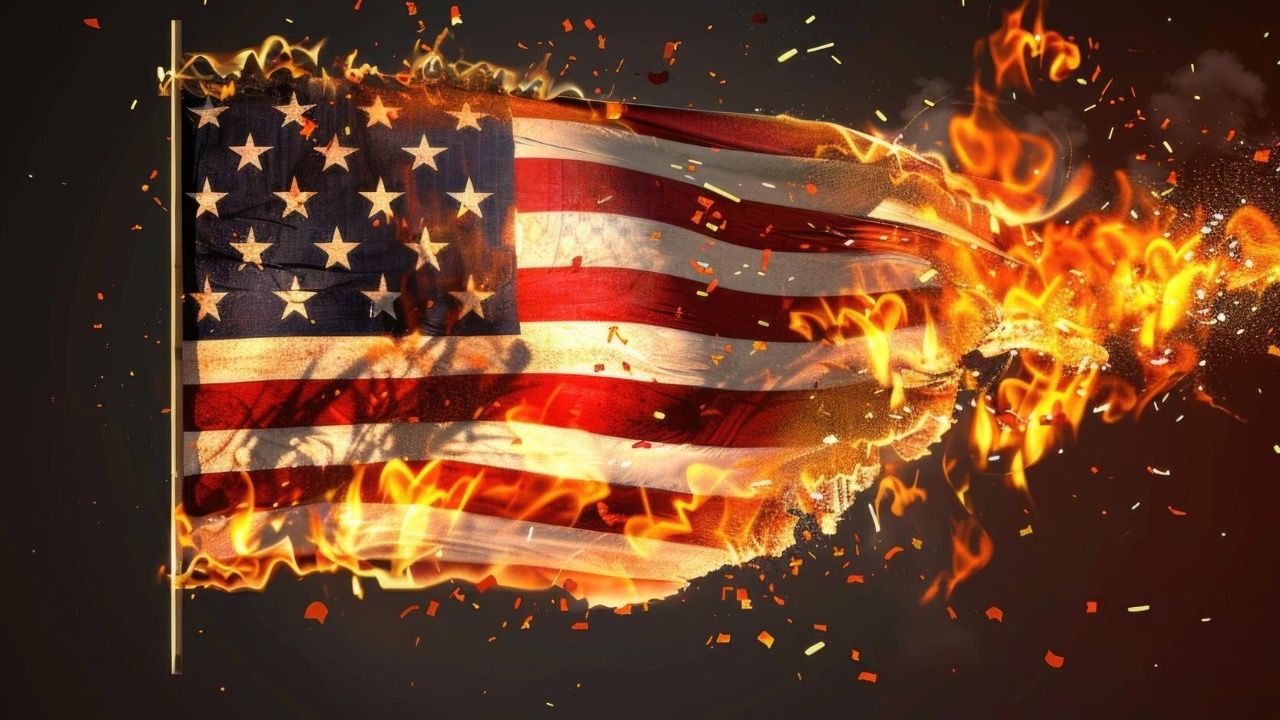
The woman walked through several items she associates with people she prefers to avoid. She mentioned constitutional bumper stickers, Trump-related merchandise, and images of eagles. At one point she stated clearly that she does not want to see any American flags. Tesla owners also made the cut in her rundown of red flags.
Her delivery came across as straightforward and personal rather than scripted for maximum engagement. Viewers noted the casual tone, which seemed aimed at friends or like-minded followers. Yet once the algorithm pushed the video wider, the context shifted. People outside her circle interpreted the message as a broader rejection of mainstream American life.
Reactions Split Along Familiar Lines
Critics flooded the comments and reposts, arguing that labeling the American flag as something to avoid crosses into anti-American territory. Many pointed out its role as a unifying symbol for millions regardless of politics. Supporters countered that individuals have every right to set personal boundaries based on past encounters or observed patterns.
The divide highlighted how quickly online discourse moves from specific grievances to larger accusations. Some framed her list as harmless preference. Others saw it as evidence of deeper cultural disconnection. News outlets and influencers amplified both sides, turning the original clip into fuel for ongoing culture war battles.
What the Flag Represents to Different People
For many Americans the flag stands for sacrifice, freedom, and national identity forged through shared history. Veterans and their families often view displays of it as signs of respect and belonging. Questioning its presence in public spaces strikes at the heart of that attachment for large segments of the population.
At the same time, symbols carry layered histories. Some communities associate certain flag usages with exclusion or past conflicts. The woman’s comments reflected one such reading shaped by her own experiences. The resulting debate shows how the same object can hold contradictory meanings depending on who encounters it and under what circumstances.
Why This Story Resonated So Strongly
The timing matters. Discussions about national identity, political expression, and public symbols remain raw after years of social strain. Her video landed in that charged atmosphere and pulled in people already primed to see threats to tradition or personal liberty.
Platforms reward strong opinions, so content like this spreads fast. The backlash itself became content, creating loops of reaction and counter-reaction. In the end the episode reveals less about one woman’s preferences and more about the difficulty of navigating shared spaces when trust in common symbols has eroded.

Asher was raised in the woods and on the water, and it shows. He’s logged more hours behind a rifle and under a heavy pack than most men twice his age.