The hunting skills that matter more than your rifle
You can spend a pile of money on a rifle, glass, and gear, but none of it means much if you don’t know how to hunt. The truth is, most animals aren’t lost because of bad shooting—they’re lost long before the trigger ever gets touched.
If you’ve been at this a while, you already know it. The guys who consistently fill tags aren’t always carrying the newest setup. They’re the ones who read the ground, move right, and stay patient when it counts. These are the skills that keep paying off, no matter what you’re hunting or where you’re doing it.
Reading Sign Like It Was Left for You
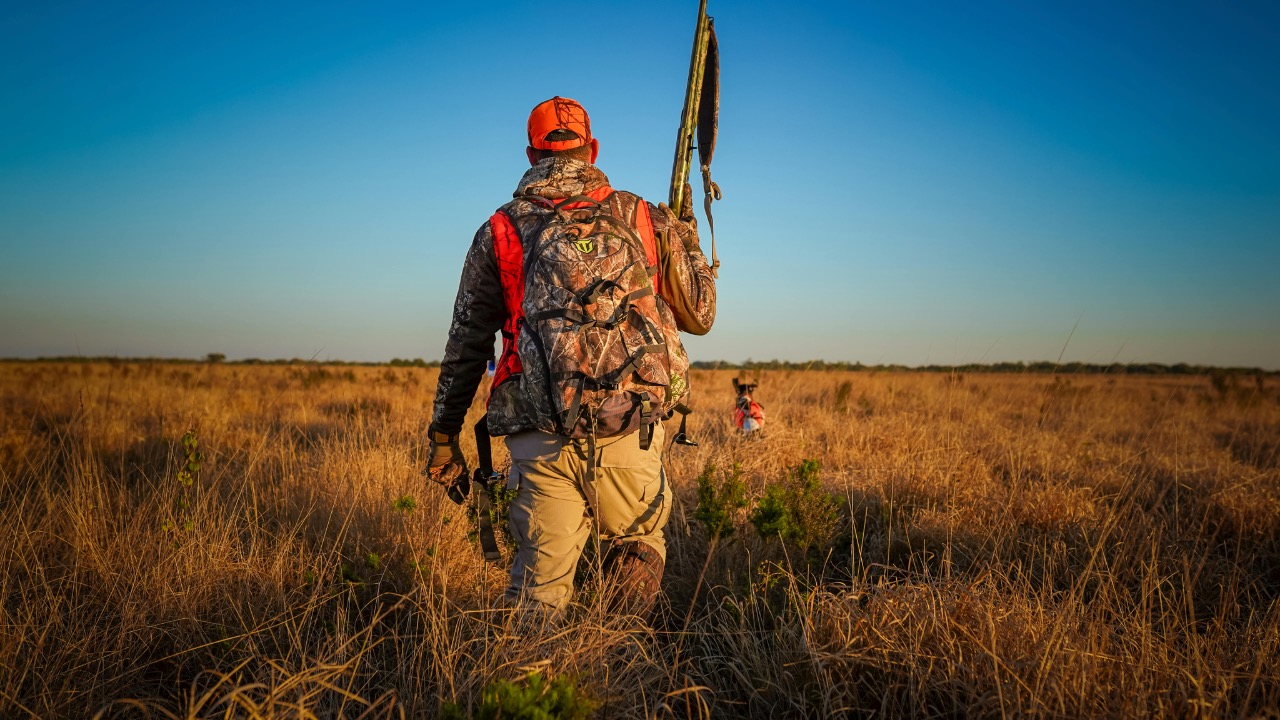
You can walk right past animals every day and never know they were there. Tracks, droppings, rubs, and beds all tell a story, but you’ve got to slow down enough to read it.
When you start paying attention to direction, age, and frequency, things come together. Fresh tracks tell you timing. Worn trails show routine. Beds point to security. It’s not complicated, but it takes time in the field. Once you get a feel for it, you stop guessing and start hunting where animals actually live.
Playing the Wind Without Guessing
You can get everything else right and still blow a hunt with bad wind. Animals trust their nose more than anything else, and they’ll leave before you ever see them if you’re careless.
You’ve got to treat wind like it’s always changing, because it is. Thermals shift through the day, especially in hills and timber. A steady breeze on the ridge might swirl down low. Checking it once isn’t enough. You stay aware the whole time, adjusting your approach and your stand. It’s one of those skills that separates close calls from filled tags.
Moving Through the Woods Without Being Noticed
Covering ground is easy. Moving quietly is not. Most hunters make too much noise without realizing it—boots dragging, brush snapping, gear rattling.
You’ve got to slow down and pick your steps. Watch where you place your feet, use the terrain, and take advantage of natural cover. Sometimes that means stopping more than walking. Animals pick up on rhythm, so breaking yours matters. When you move like you belong there, you’ll start seeing animals that would’ve slipped away before.
Knowing Where to Be Before First Light
Success often comes down to being in the right place before the woods wake up. If you’re still walking in at daylight, you’re already behind.
You need a plan before you leave the truck. That means knowing where animals feed, travel, and bed, and setting up along those lines. It’s not about wandering and hoping. When you’re already in position as the light comes up, you give yourself a real chance. A good setup beats a perfect shot that never comes.
Patience When Everything Feels Slow
A lot of hunts fall apart because you move too soon. You get bored, second-guess the spot, or feel like nothing’s happening.
But the woods don’t run on your schedule. Animals can take their time, especially under pressure. Sitting longer, staying quiet, and letting things unfold often pays off. It’s not exciting, but it works. The longer you can stay focused without forcing something, the more opportunities you’ll see.
Shot Discipline When It Finally Happens
When an animal finally steps out, it’s easy to rush it. Heart rate spikes, breathing gets shallow, and suddenly a bad shot feels like the only shot.
You’ve got to stay controlled. Wait for a clear angle, steady yourself, and know when to pass. Not every opportunity is worth taking. A clean shot matters more than a quick one. That decision, made in a few seconds, can define the entire hunt.
Scouting When the Season Isn’t Open
The work you do outside the season carries more weight than anything you do during it. Walking ground in the offseason shows you things you won’t notice when you’re focused on hunting.
You learn terrain, find bedding areas, and map out travel routes without pressure. It also helps you spot changes—new growth, fresh sign, shifts in movement. When the season opens, you’re not starting from scratch. You’re working off time already invested, and that gives you an edge.
Staying Mentally Sharp When Conditions Change
Weather shifts, pressure builds, and animals adjust. If you stick to one plan no matter what, you’ll get left behind.
You’ve got to stay flexible. If the wind changes, you move. If pressure pushes animals into thicker cover, you adjust. Pay attention to what’s happening in real time instead of forcing what worked last week. The ability to think through a hunt as it unfolds is what keeps you in the game.
Recovering Game the Right Way
The hunt isn’t over when the shot breaks. Tracking and recovery take patience and discipline, especially on marginal hits.
You’ve got to read sign again—blood, tracks, disturbed ground—and avoid pushing the animal too soon. Backing out and giving it time can make the difference between recovery and loss. It’s not always easy, especially when you’re eager to find it, but it’s part of doing things right. A good recovery shows more skill than the shot itself.
At the end of the day, your rifle is only part of the equation. It helps, no doubt, but it won’t make up for poor decisions or rushed moves. The hunters who stay consistent are the ones who build these skills over time—and trust them when it counts.

Asher was raised in the woods and on the water, and it shows. He’s logged more hours behind a rifle and under a heavy pack than most men twice his age.