Questions Mount Over Who Really Runs US Foreign Policy as Iran Peace Deal Hangs in Balance Between Trump and Israeli Influence
You watch the latest developments in Washington and Tehran, and the picture feels murky. After months of military action that began in early 2026, the United States and Iran have edged toward talks aimed at extending a fragile ceasefire, reopening the Strait of Hormuz, and addressing Iran’s nuclear activities. Yet behind the public statements, tensions simmer over how much sway Israel holds in shaping American decisions. The back-and-forth raises basic questions about where ultimate authority lies in steering U.S. strategy in the Middle East.
Observers note the pattern of close coordination with Israel during strikes earlier this year, followed by American moves toward diplomacy that do not always align with Israeli preferences. This dynamic leaves many wondering about the balance of input from the White House, Congress, and longstanding allies.
The Path from Military Action to Ceasefire Talks
You consider how events unfolded after the February 2026 strikes involving U.S. and Israeli forces. Those operations targeted Iranian military sites and leadership, creating significant setbacks for Tehran. A conditional ceasefire took hold in April, paving the way for mediated discussions, often involving third parties like Pakistan.
Now the focus has shifted to practical steps, such as lifting blockades on shipping routes and setting the stage for longer nuclear conversations. Progress remains uneven, with both sides signaling movement while holding firm on core demands. The process highlights the challenge of translating battlefield gains into stable agreements.
Tensions Between Washington and Jerusalem
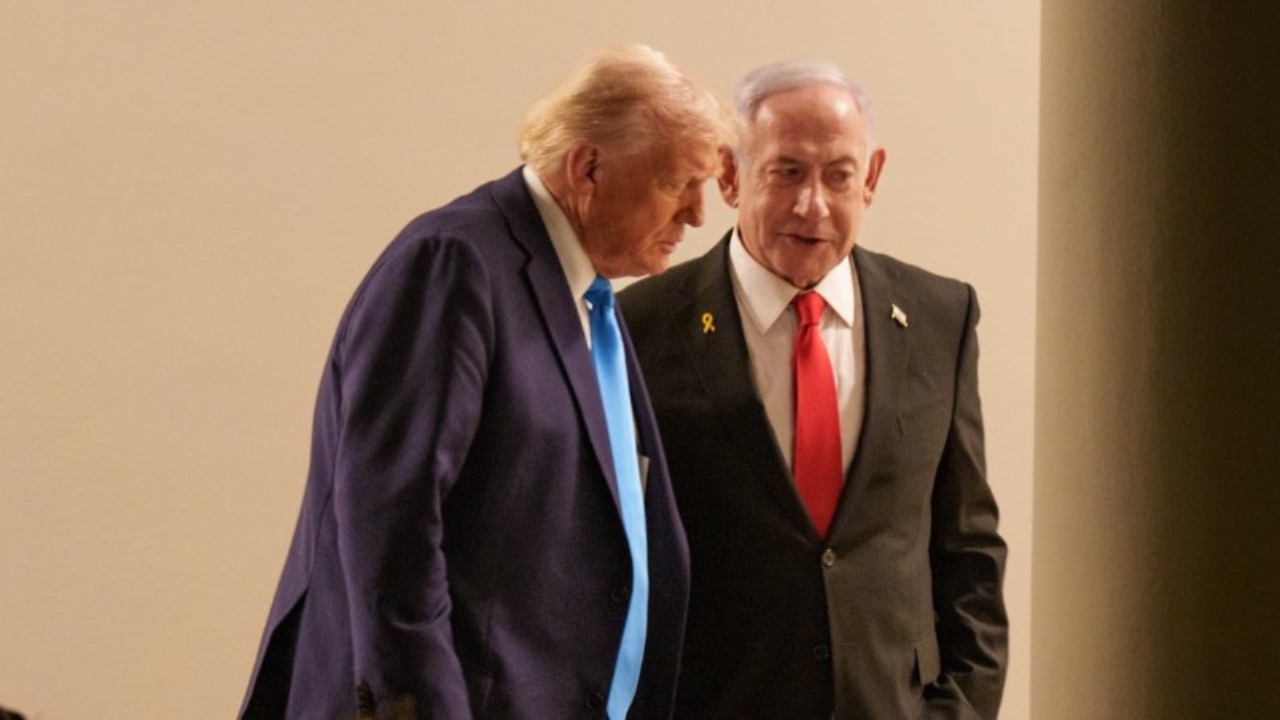
You notice the reported friction between President Trump and Prime Minister Netanyahu over the pace and scope of any final arrangement. Israeli officials have expressed concerns that emerging outlines might leave key threats, like ballistic missiles, insufficiently addressed. At the same time, the administration appears interested in winding down direct involvement.
This divergence has played out in private channels and occasional public comments. Netanyahu’s side has pushed for sustained pressure, while U.S. negotiators explore pathways to de-escalation. The exchange underscores differing priorities between the two governments despite their deep security ties.
Influence of Pro-Israel Voices in Policy Circles
You look at the range of advisers and outside groups that weigh in on these matters. Organizations with strong Israel connections have long advocated for firm stances against Iran, shaping parts of the debate in Washington. Their perspectives often emphasize maximum constraints on Tehran’s capabilities.
At the same time, decisions rest with elected leaders and appointed officials who must weigh broader U.S. interests, including energy flows and regional stability. The interplay between these inputs fuels ongoing speculation about whose counsel carries the most weight in final calls.
Domestic Politics and Foreign Policy Pressures
You see how American domestic considerations color the approach. With midterm elections on the horizon and varying views within both parties, the administration balances calls for toughness with desires to avoid prolonged entanglements. Public fatigue with Middle East conflicts adds another layer.
Lawmakers on Capitol Hill monitor developments closely, sometimes offering their own signals or criticisms. This internal environment complicates efforts to present a unified front, as competing priorities pull in different directions.
Iran’s Position and the Road Ahead
You examine Tehran’s stance amid its weakened position after the fighting. Iranian officials have shown willingness to discuss certain concessions but resist others, particularly around enrichment limits or regional proxies. The leadership in Tehran navigates internal factions while responding to external demands.
Any lasting accord would need to tackle verification mechanisms and sanctions relief in ways that satisfy multiple parties. Success depends on finding narrow areas of overlap, even as trust remains low on all sides.
Broader Implications for U.S. Strategy
You reflect on what these negotiations mean for America’s role in the region going forward. A deal could open space for reduced military posture, yet unresolved issues risk future flare-ups. The episode also prompts reflection on how alliances and domestic voices shape long-term policy coherence.
Ultimately, the outcome will test whether Washington can chart a course that advances its interests while managing expectations from close partners. Clarity on decision-making processes may become more important as talks continue.

Asher was raised in the woods and on the water, and it shows. He’s logged more hours behind a rifle and under a heavy pack than most men twice his age.