Israel launches new strikes on Lebanon despite Trump’s public criticism
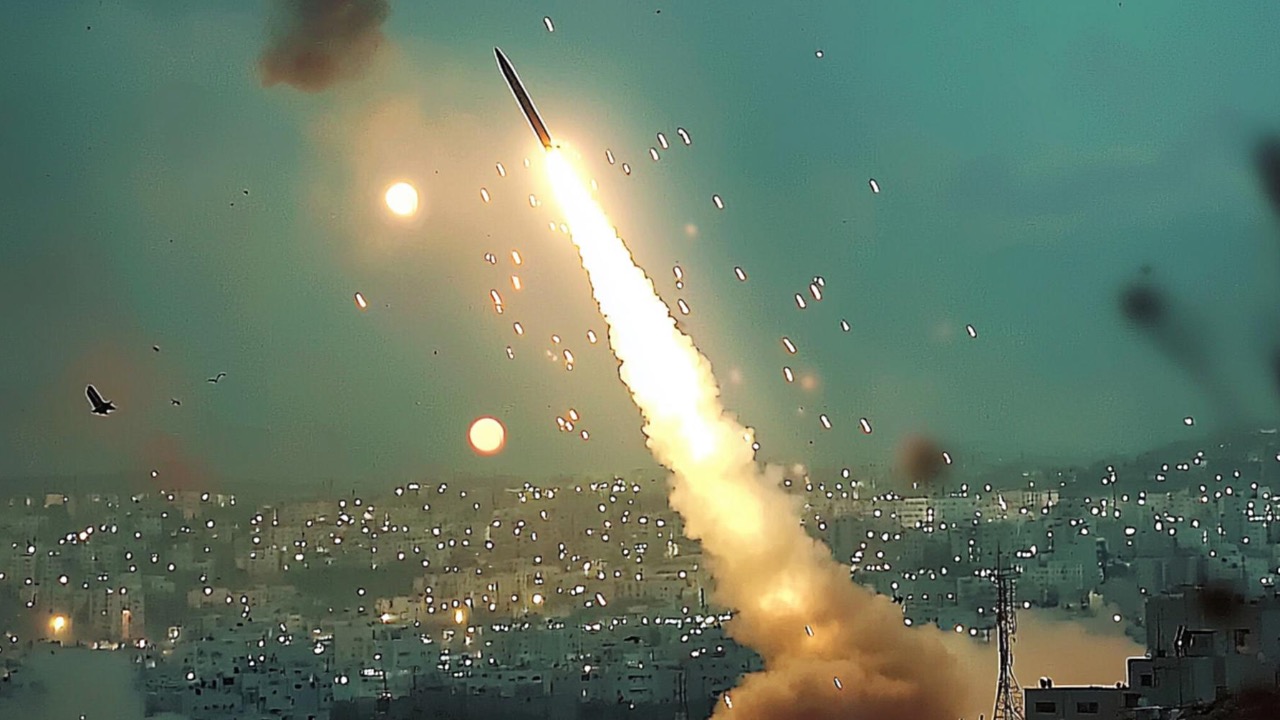
Israeli forces carried out fresh airstrikes in southern Lebanon on Wednesday, hitting areas near Nabatieh and other locations, according to Lebanese state media. The moves come amid ongoing tensions with Hezbollah and despite pointed remarks from President Donald Trump, who has urged restraint from Israeli Prime Minister Benjamin Netanyahu.
These developments highlight the challenges in managing alliances and ceasefires in a volatile region, where U.S. diplomatic efforts with Iran hang in the balance. Observers note that the strikes risk complicating broader peace initiatives that Trump has been advancing.
The Latest Strikes and Their Impact
Reports from Lebanon’s National News Agency describe Israeli jets targeting Nabatieh al-Fawqa and the outskirts of Kfar Tebnit, while drones struck Mansouri and Aaziyyeh, injuring several people. Such operations reflect Israel’s stated goal of addressing security threats from Hezbollah militants in border areas.
Local communities in southern Lebanon continue to face disruptions from the violence. Many residents have dealt with repeated displacements and damage to infrastructure over months of clashes. The pattern raises questions about the long-term stability along the Israel-Lebanon border and the humanitarian costs involved.
Trump’s Unusual Rebuke
At the G7 summit in France, Trump expressed dissatisfaction with Israel’s approach in Lebanon, telling reporters he did not like certain attacks that he viewed as excessive. He emphasized his strong personal relationship with Netanyahu but called for the prime minister to show more responsibility in handling the situation.
The president suggested alternatives, including the idea that other actors in the region might manage threats with less impact on civilians. His comments mark a rare public divergence from a key ally, coming as the U.S. pursues sensitive negotiations that could reshape Middle East dynamics.
Context of Broader Regional Tensions
The strikes test fragile understandings reached in recent weeks, including efforts to de-escalate fighting tied to wider conflicts involving Iran. Trump has worked to separate issues like Lebanon from larger diplomatic tracks, but repeated incidents create friction.
Hezbollah, backed by Iran, has been a central player in the exchanges. Israel’s military maintains that its actions target militant infrastructure and prevent attacks on its territory. Balancing these security needs with international pressure remains a delicate task for all sides.
Reactions and Potential Consequences
Israeli officials have defended the operations as necessary responses to ongoing violations. Meanwhile, Lebanese authorities and international voices have condemned the civilian toll and called for renewed diplomacy.
Trump’s stance could influence U.S. policy signals and alliances moving forward. It underscores how personal diplomacy and public statements play into high-stakes negotiations, where one set of strikes can ripple across multiple peace processes in the region.
Looking Ahead in a Complex Landscape
As events unfold, the focus remains on whether restraint can take hold or if cycles of retaliation will persist. Analysts watch closely for signs of coordination between Washington and Jerusalem, especially given Trump’s investment in stabilizing broader arrangements.
The situation in southern Lebanon serves as a reminder of the entrenched challenges that define Middle East security. Finding paths to reduce violence while protecting vital interests will likely demand continued engagement from major players.

Asher was raised in the woods and on the water, and it shows. He’s logged more hours behind a rifle and under a heavy pack than most men twice his age.