Compact Knives That Feel Larger in the Field Than They Are
Compact knives have evolved from backup tools into primary workhorses that tackle camp chores, game processing, and everyday fixes with surprising authority. Clever geometry, modern steels, and smarter handle design now let short blades behave like full-size cutters without adding bulk on the belt or in the pocket.
Across hunting packs, kitchen drawers, and urban pockets, more users are finding that a knife that carries small but performs big can replace several heavier tools. The result is a quiet redefinition of what “enough knife” really means in the field.
Design tweaks that make small knives feel big
The most important change in compact knives is not raw blade length but how efficiently that length is used. Many of the current standouts in modern pocket knives rely on tall blade profiles, full flat grinds, and generous belly to stretch cutting performance beyond what the spec sheet suggests. A 2.75 inch blade with a high grind and thin edge can out-slice a thicker 3.5 inch design, especially in cardboard, rope, and food prep.
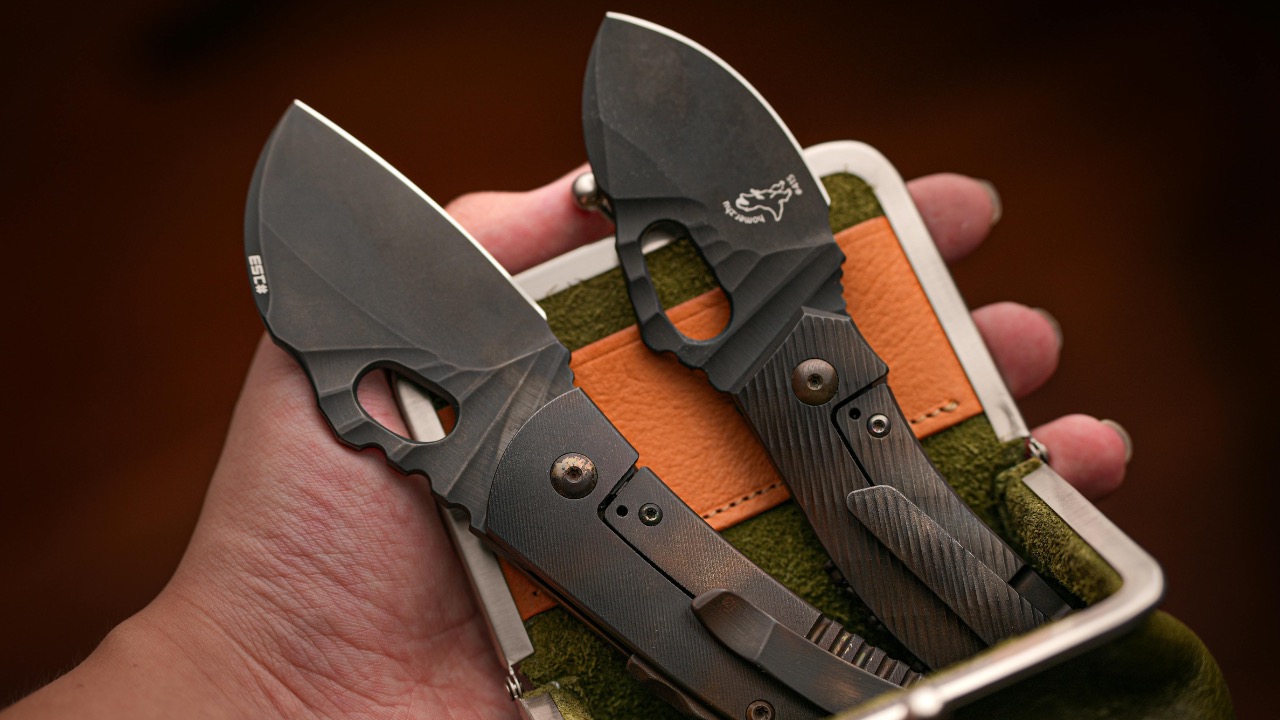
Handle ergonomics have followed the same trajectory. Makers are extending usable grip by pushing the edge closer to the handle and adding choils that let the index finger choke forward for control. This gives a compact folder a two-position personality: a standard grip for quick cuts and a forward grip that mimics a longer blade when carving tent stakes or feather sticks.
Fixed blades, particularly hunting and bushcraft models, show the same pattern. Several of the compact profiles highlighted among the best hunting knife options use blades under 4 inches but pair them with full tang construction and contoured scales that lock into the hand. The stout spine and neutral handle angle let these short knives baton kindling, cape a deer, and slice food without feeling underpowered.
Steels have also evolved in favor of smaller knives. Powder metallurgy alloys and improved heat treatment give compact blades the edge retention that used to require more length and thickness. Rather than carrying a larger knife as insurance against dulling, users can rely on a shorter blade that holds a fine edge through a full day of camp chores or processing game.
Field performance that outpaces the spec sheet
In the field, what matters is not the number on the product page but how confidently a knife handles real tasks. Testing of field dressing knives shows that compact drop points with precise tips and aggressive jimping often outperform longer blades when working inside an animal cavity. Shorter edges are easier to steer, less likely to puncture organs by accident, and quicker to clean afterward.
Everyday carry users report similar advantages. Evaluations of the best EDC knife models highlight how 2.5 to 3 inch blades now tackle everything from zip ties to light food prep. Deep carry clips, nested liners, and chamfered scales keep these knives unobtrusive in a front pocket, yet the moment they open, the cutting edge and hand-filling handles make them feel closer to traditional mid-size work knives.
Kitchen tasks provide another clear example of compact efficiency. Reviews of paring knives show how 3 to 4 inch blades excel at peeling, trimming, and detail work that would be awkward with a full chef’s knife. In the outdoors, that same profile transfers to camp cooking, where a small, nimble blade can break down vegetables, slice sausage, and manage delicate cuts on fish without demanding a long cutting board or much pack space.
Users who hunt, backpack, and commute often discover that a single compact knife can move between these roles with minimal compromise. A blade that can clean a trout in the afternoon and open packages in the evening provides more value than a specialized but bulky tool that gets left at home.
Why compact knives resonate with users now
Several trends have converged to make small-but-capable knives especially appealing. Urban carry regulations often cap legal blade length, which pushes designers to squeeze more performance into shorter formats. As a result, many of the knives vetted in current pocket knife testing cluster around lengths that comply with common city rules while still offering full four-finger grips.
Weight and bulk also matter more as people streamline their kits. Backpackers count grams, office workers want pockets that do not sag, and hunters already juggle rifles, optics, and game bags. A compact knife that weighs half as much as a traditional belt blade yet handles the same core chores fits that push toward lighter, simpler gear.
There is also a shift in how people think about risk and redundancy. Instead of carrying an oversized primary knife and a backup, many users now carry one compact fixed blade on the belt and a small folder as a secondary tool. Because both are lighter and more nimble, they see more use, which in turn builds skill and confidence with the smaller formats.
Modern manufacturing supports this behavior. Factory edges arrive sharper, pivot systems in folders are smoother, and sheaths for small fixed blades are more secure and versatile. Kydex and injection molded designs allow horizontal, vertical, or inside-the-waistband carry, which keeps compact knives accessible without advertising them.
Key models and categories that punch above their size
Within pocket knives, sub-3 inch blades now cover a wide range of use cases. Some of the standouts in current EDC pocket picks pair slim slicer grinds with ambidextrous opening methods and strong locking systems. These designs make it realistic to use a small folder for repetitive work like breaking down shipping boxes or trimming cordage.
Compact hunting knives often sit in the 3.25 to 3.75 inch range, with drop point or modified clip point profiles that favor control. Evaluations of the top hunting blades show several models that prioritize secure grip textures and corrosion resistant steels so they can ride on a belt through wet brush, then handle skinning and quartering without slipping.
In the kitchen and at camp, paring-style knives with full-size handles provide another example of compact tools that feel larger in use. Reviews of high performing parers point to thin, pointed tips and comfortable handles as the features that let these short blades tackle jobs usually reserved for longer knives. When transferred outdoors, that same balance of agility and control pays off in food prep and fine carving.
For hunters who prioritize packability, some of the most effective field dressing tools now include skeletonized or partial tang compact blades that ride in low profile sheaths. They may look minimalist, yet their cutting geometry and handle contours give them the authority of larger knives once work begins.
What to expect next from compact knife design
The trajectory of compact knives suggests even more capability packed into small footprints. As steel technology advances, makers can grind thinner edges without sacrificing toughness, which will further enhance slicing performance on short blades. Locking mechanisms in folders are likely to continue evolving toward stronger, easier-to-service designs that maintain reliability despite smaller form factors.
On the hunting side, expect more modular systems where a compact handle accepts multiple short blades for skinning, caping, and boning. This approach keeps pack weight low while letting users tailor their setup to specific species or trips. Given the strong performance of current compact hunting designs, incremental refinements in ergonomics and sheath options may matter more than chasing extra blade length.
Everyday carry trends point toward greater integration with other gear. Small fixed blades that ride behind magazine pouches or attach to backpack straps, and folders that disappear into organizer panels, will likely gain ground. Many of the knives highlighted among the latest EDC picks already show this focus on carry flexibility, which lets users keep a capable blade close without drawing attention.
Ultimately, compact knives that act larger in the field reflect a broader shift toward efficiency and intentionality. Rather than relying on size as a substitute for design, makers are using geometry, materials, and ergonomics to give small tools genuine authority. For users who value performance but refuse to haul extra weight, that evolution is likely to define the next generation of cutting tools.

Leo’s been tracking game and tuning gear since he could stand upright. He’s sharp, driven, and knows how to keep things running when conditions turn.