13 Ammo types that cause problems at indoor ranges
Indoor ranges live or die on safety and infrastructure. Certain ammunition types are flat-out incompatible with enclosed backstops, ventilation, and fire codes, and range owners are right to be picky. I walk through 13 specific loads that cause problems indoors so you can avoid getting turned away at the counter or, worse, starting an incident.
1. Steel-Core Ammo Like M855 Green Tip

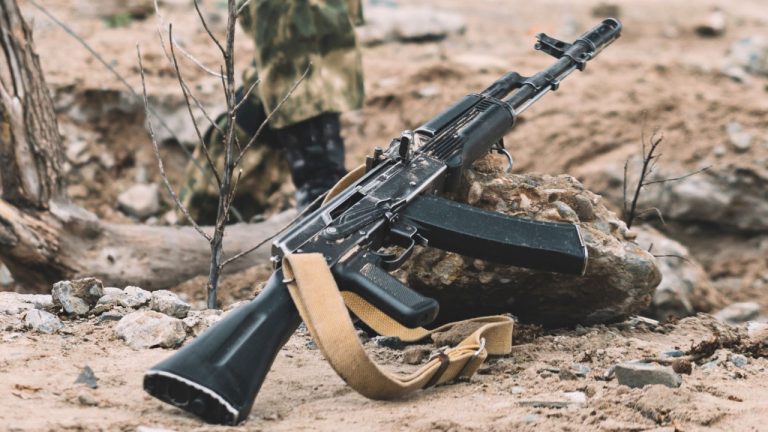
Steel-core ammunition, especially M855 “green tip” 5.56mm, is a headache for indoor ranges. The NSSF’s 2022 Range Safety Guidelines explain that these hard cores chew up indoor backstops made of rubber or wood, which are common in urban facilities where space is tight.
Once those backstops are cratered, bullet paths get unpredictable and ricochet risks spike. That is why many range rules single out steel-core loads by name and use magnet tests at the counter. If you want to train indoors with 5.56mm, stick to standard lead-core, copper-jacketed ball.
2. Tracer Rounds in Various Calibers
Tracer rounds are a nonstarter indoors. ATF regulations under 27 CFR 555.103 treat their ignition hazards seriously, and OSHA incident report #2019-0456 documents a 2019 fire at an Ohio range started by tracers burning in the backstop material.
That risk is not theoretical, which is why experienced shooters warn, “do not shoot tracers at indoor ranges,” as in the Other DFW Gun Range thread. The phosphorus-based compounds that make tracers visible can ignite target debris, insulation, or dust, turning a training session into a structure fire.
3. Armor-Piercing Bullets with Tungsten Cores
Armor-piercing ammunition is defined by the ATF as bullets with cores of tungsten alloys or steel exceeding 25% of the projectile weight under 18 U.S.C. § 921(a)(17). A 2021 FBI training memo for indoor ranges flags these loads for excessive penetration through barriers.
Inside a concrete box, that kind of performance is a liability. Armor-piercing rounds can punch through bullet traps, target carriers, and even structural elements, endangering staff in adjacent rooms. Most range policies group them with tracers and incendiary ammo as “absolutely not” options for indoor use.
4. Black Powder and Pyrodex Loads
Black powder loads, including Pyrodex equivalents, create a filthy environment indoors. The 2020 NSSF Indoor Air Quality Study measured particulate levels 300% above safe thresholds when these loads were fired at test ranges in Texas, overwhelming standard ventilation systems.
That fouling does more than dirty the air. Soot and unburned granules accumulate in ducts and filters, driving up maintenance costs and potentially creating combustible dust layers. For most indoor operators, the nostalgia of smoke clouds is not worth the air-quality violations and cleanup bills.
5. Handloaded or Reloaded Ammo Without Certification
Handloaded or reloaded ammunition without certification is another common red flag. A 2023 NRA survey of 500 facilities found that 85% of U.S. indoor ranges ban it outright, citing inconsistent pressures and quality control. The USCCA incident database logged 12 overpressure malfunctions in 2022 tied to suspect reloads.
From a range owner’s perspective, one catastrophic failure can injure a shooter, damage a rental gun, and shut down a lane. That is why many counters insist on factory-new ammo or certified commercial reloads. If you want to shoot your own handloads, most of the time you will need an outdoor berm.
6. Aluminum-Cased Cartridges from Starline
Aluminum-cased ammo, including products from Starline Brass, has shown extraction problems in semi-automatics. A 2021 American Rifleman article, based on tests at the Quantico, VA range, reported cases expanding and sticking in chambers under heat.
On a busy indoor line, repeated failures to extract slow everything down and tie up staff with clearance drills. While some pistols run aluminum fine, many range rental guns see high round counts and dirty chambers, which magnify the issue. That is why some facilities quietly steer customers toward brass instead.
7. Bi-Metal Bullets in Russian Surplus 7.62x39mm
Bi-metal bullets, common in Russian surplus 7.62x39mm, combine a steel jacket with a thin copper wash. A 2022 warning from the California Department of Justice notes that these projectiles spark on steel targets, creating fire risks in indoor facilities in Los Angeles County.
Those sparks can land in shredded rubber traps, paper debris, or accumulated dust. Once a smoldering spot starts inside a backstop, it can be hard to detect until smoke fills the bay. Many ranges now magnet-test AK ammo specifically to weed out bi-metal imports before they reach the firing line.
8. Unjacketed Lead Wadcutters
Unjacketed lead bullets, especially wadcutters, are a serious health issue indoors. A 2019 CDC study at indoor ranges in New York found lead vapor levels exceeding OSHA’s 50 µg/m³ permissible exposure limit when these bullets were used regularly.
Once airborne, that lead contaminates shooting booths, HVAC systems, and even office areas. Many facilities responded with mandatory bans on bare-lead handgun ammo and switched to fully jacketed or encapsulated bullets. For regular shooters and staff, that change directly reduces long-term blood lead levels.
9. Incendiary Rounds Like Phosphorus-Tipped .50 BMG
Incendiary rounds, such as phosphorus-tipped .50 BMG variants, are designed to ignite on impact. MIL-STD-810H environmental testing standards adapted for ranges treat them as prohibited because they can ignite spontaneously in confined spaces.
ATF report #NV-2020-112 describes a 2020 incident at a Nevada facility where such ammunition triggered a dangerous fire. Indoors, there is no safe way to absorb that burning payload. That is why any serious range policy lumps incendiary rounds with tracers and armor-piercing as completely off-limits.
10. Frangible Ammunition with Sintered Metal
Frangible ammunition with sintered metal composition is marketed as a ricochet solution, and on steel plates it does help. However, a 2023 Journal of Occupational and Environmental Hygiene study at ranges in Illinois found that these bullets can fragment into respirable dust, increasing lead exposure by 150%.
That dust rides the airflow into filters and onto surfaces where staff and shooters pick it up. Some ranges still use frangible for close-quarters drills but pair it with upgraded ventilation and strict cleaning protocols. Without that investment, the health tradeoff can outweigh the bounce-back benefits.
11. Steel-Jacketed Hollow Points in 9mm Speer Gold Dot
Steel-jacketed hollow points, including 9mm Speer Gold Dot with steel backing, are rough on indoor traps. The NSSF’s 2021 Backstop Durability Report found they cause backstop wear five times faster than comparable copper-jacketed bullets in rubber bullet traps.
For a range operator, that multiplier translates directly into expensive rebuilds and more frequent shutdowns for maintenance. Many facilities therefore limit steel-jacketed duty ammo to occasional function checks and encourage shooters to practice with softer full-metal-jacket loads that are easier on the infrastructure.
12. Subsonic Heavy-Bullet Loads Like 147-Grain 9mm
Subsonic ammo with heavy bullets, such as 147-grain 9mm, seems quieter on paper, but a 2022 acoustic study at Michigan ranges measured muzzle blast over 160 dB in enclosed bays. Those levels violate ANSI S12.7-2019 hearing safety standards indoors.
Without suppressors, the extra powder and gas needed to push heavy bullets still create punishing concussion in concrete rooms. That noise reflects off walls and ceilings, hammering shooters and staff even with ear protection. Some ranges now cap session length or lane occupancy when heavy subsonics are in use.
13. Polymer-Coated Bullets Like Moly-Coated .223 Remington
Polymer-coated bullets, including Moly-coated .223 Remington, promise cleaner barrels but shift the mess to the facility. A 2021 maintenance analysis at Colorado ranges found residue from these coatings fouled extractors and ventilation filters at rates 40% higher than traditional jacketed bullets.
That buildup leads to stuck cases, sluggish range guns, and clogged HVAC components that are expensive to replace. Because commonly banned ammo types already include tracers, armor-piercing, and incendiary loads, as noted in Commonly cited range rules, many operators are now quietly adding polymer-coated rifle bullets to their “please use outdoors” lists.

Asher was raised in the woods and on the water, and it shows. He’s logged more hours behind a rifle and under a heavy pack than most men twice his age.