Iran declares ‘immediate and permanent’ end to war
After months of intense fighting that disrupted global energy flows and heightened tensions across the Middle East, Iran has declared an immediate and permanent end to military operations on multiple fronts. The move comes amid a broader agreement with the United States, mediated in part by Pakistan, and sets the stage for a formal signing ceremony scheduled for June 19 in Switzerland. This development offers a potential path toward stability in a region long marked by volatility.
The Path to the Announcement
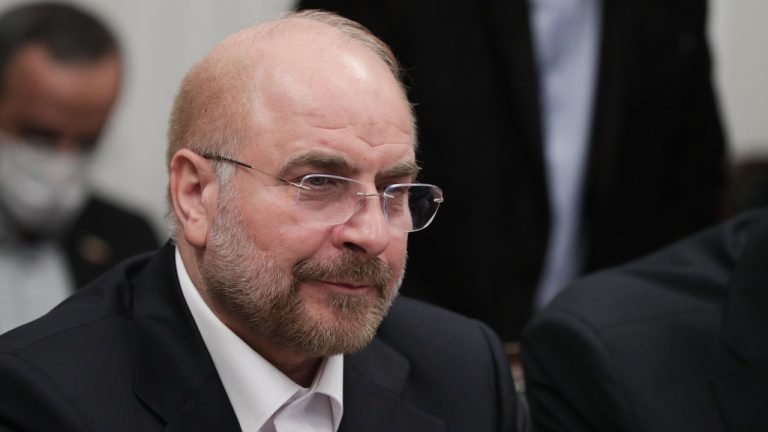
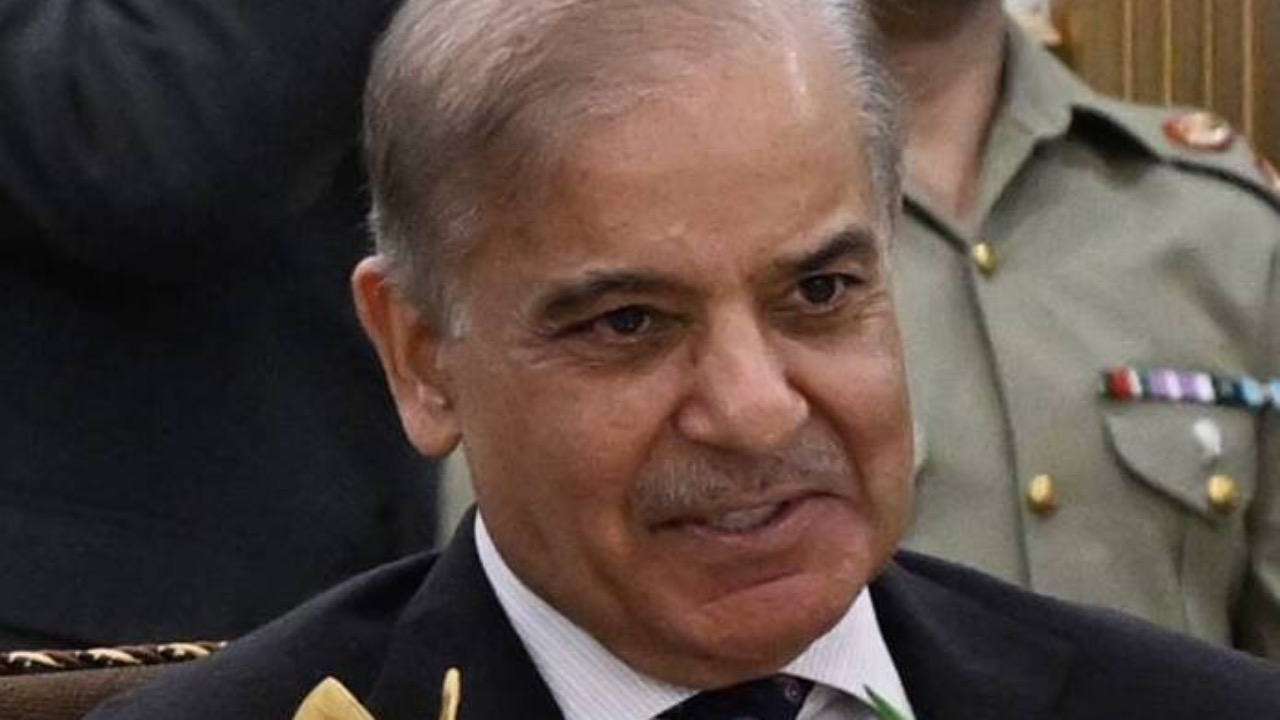
Iran’s deputy foreign minister, Kazem Ghribabadi, confirmed the decision in statements that quickly spread through state media and international channels. The declaration covers operations across various areas, explicitly including Lebanon, and aligns with efforts to lift restrictions in the Strait of Hormuz. Pakistani Prime Minister Shehbaz Sharif played a key role in brokering the understanding, announcing that both sides had reached terms for terminating hostilities.
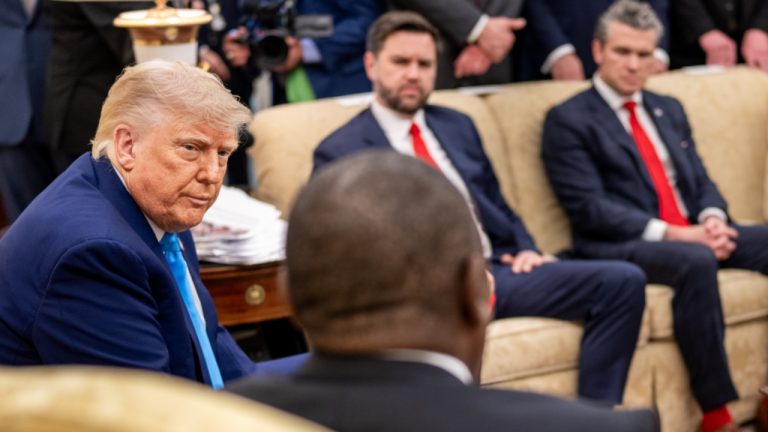
Observers note that the timing follows a period of back-and-channel diplomacy and temporary pauses in action. President Donald Trump also signaled progress on social media, highlighting the reopening of key maritime routes. The agreement aims to address immediate security concerns while leaving space for further talks on unresolved matters like sanctions and broader regional dynamics.
What the Deal Entails for Key Players
The understanding between the United States and Iran focuses on halting military activities without delay. It includes steps to ease the naval blockade in the Strait of Hormuz, a critical passage for global oil shipments that had seen significant disruptions. This shift could ease pressure on energy markets and allow commercial traffic to resume more freely in the coming days.
For Iran, the announcement represents a calculated step after sustaining damage from earlier exchanges. Officials have framed it as a move that meets core objectives, such as ending active combat while preserving positions on issues like nuclear capabilities. The deal incorporates input from mediators and sets a short timeline for implementation details.
Impacts on Lebanon and Broader Regional Stability
The inclusion of Lebanon in the cessation of operations stands out as a notable element. Fighting there had intertwined with the larger conflict, affecting civilian populations and raising fears of wider escalation. With hostilities winding down, attention turns to how local groups and neighboring states adjust their postures in the aftermath.
This aspect of the agreement could open opportunities for humanitarian relief and reconstruction efforts in affected areas. However, challenges remain in ensuring all parties adhere to the terms, especially given past violations of shorter ceasefires. Regional actors will watch closely to see whether the permanent declaration holds amid lingering distrust.
Economic and Global Ramifications
Reopening the Strait of Hormuz promises relief for international shipping and energy prices that spiked during the conflict. Markets reacted positively in initial responses, with expectations of stabilized supply chains benefiting economies far beyond the Middle East. The lifting of the U.S. blockade marks a practical first step in this direction.
Longer term, the deal could influence sanctions relief and asset discussions, though those details await further negotiation within the 60-day framework. Businesses and governments involved in trade through the region are already assessing how quickly normal operations might return.
Reactions and Lingering Questions
Responses from involved parties have varied. Trump described the deal as complete, while Iranian sources emphasized its permanence and benefits. Mediators like Pakistan expressed optimism about the breakthrough after extended talks. Yet not all voices in the region share the same enthusiasm, with some expressing reservations about unaddressed elements.
Questions persist around full compliance, verification mechanisms, and how this fits into larger security arrangements. As the signing date approaches, diplomats will work to bridge any gaps and build confidence that this marks a genuine shift rather than another temporary pause. The coming weeks will test whether the announcement translates into lasting calm.
Looking Ahead After the Declaration
With military operations set to end, focus shifts to the practical work of implementation and follow-on discussions. The memorandum provides a foundation, but success depends on sustained engagement from all sides. This moment offers a chance to address underlying issues that fueled the conflict in the first place.
For people across the region and those monitoring from afar, the declaration brings cautious hope amid fatigue from prolonged uncertainty. How events unfold after June 19 will determine if this becomes a durable framework for peace or another chapter in a complex story.

Asher was raised in the woods and on the water, and it shows. He’s logged more hours behind a rifle and under a heavy pack than most men twice his age.