Congress Votes to Allow Expanded Hunting on Public Lands
Congress voted recently to pass the Protecting Access for Hunters and Anglers Act, a measure aimed at keeping traditional ammunition and tackle options available on federal lands. The House approved H.R. 556 in March 2026 by a vote of 215 to 202, sending the bill to the Senate. Lawmakers framed the legislation as a way to prevent broad federal restrictions that could raise costs for people who hunt and fish on public property managed by agencies like the Fish and Wildlife Service, Bureau of Land Management, and Forest Service.
Supporters pointed to earlier attempts under the previous administration to limit lead-based ammunition and fishing gear in certain wildlife refuges. They argued that such moves lacked strong site-specific evidence of harm to wildlife populations and could discourage participation, especially among those who rely on affordable equipment. The bill requires any future limits to be backed by peer-reviewed data showing a clear link to population declines in a specific area, plus approval from the relevant state wildlife agency.
What the Bill Actually Changes
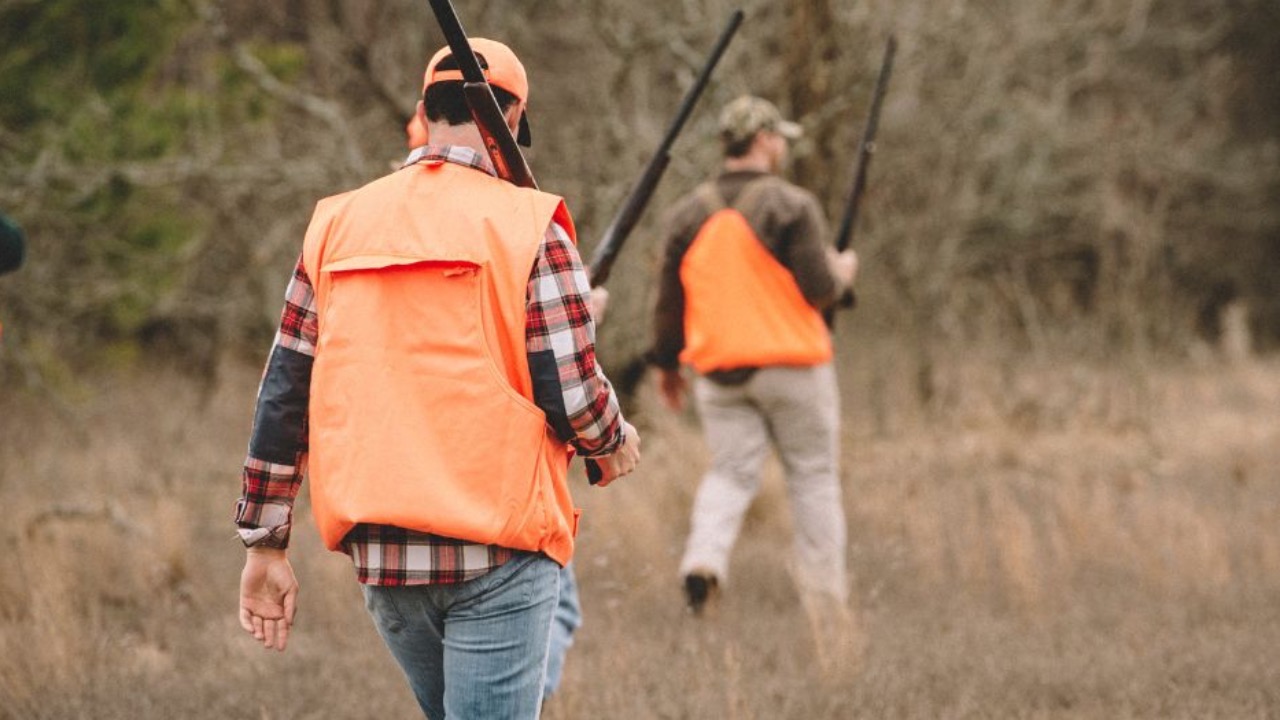
You head out to public lands for a hunt or a day of fishing, and the gear in your pack stays the same under this legislation. The measure blocks federal agencies from imposing blanket bans on lead ammunition or tackle across large areas of federal land or water. Instead, any restrictions would need to meet narrow conditions tied directly to documented effects on local wildlife.
This approach shifts the default away from broad executive actions. Agencies can still act where data supports a problem, but they must coordinate with states and base decisions on evidence from the exact location. Hunters and anglers often note that alternatives to lead can cost more and remain harder to find in every caliber or size needed for different game or fish species.
The bill also preserves the role of state fish and wildlife departments in setting regulations. Many states already manage hunting and fishing seasons, bag limits, and equipment rules on adjacent lands, so the federal change aims to reduce overlap and confusion when you cross onto public property.
Why Lead Ammunition and Tackle Matter to Access
Lead has long served as the standard material for bullets and fishing weights because it is dense, inexpensive, and widely available. For many people who hunt deer, small game, or waterfowl, or who cast for bass and trout, switching to non-lead options adds noticeable expense that can add up over a season.
Critics of the bill worry about potential poisoning of birds that scavenge gut piles or waterfowl that ingest spent shot. Supporters counter that overall wildlife populations are managed at larger scales and that credible, location-specific studies have not always shown widespread declines tied to recreational use. The legislation leaves room for targeted rules where problems do appear.
You benefit from continued choice in equipment. Rural hunters, younger participants, and those on fixed incomes often cite cost as a barrier to getting started or continuing the activity. Keeping traditional options legal helps maintain participation levels that, in turn, fund conservation through license fees and excise taxes on gear.
How the Vote Reflects Broader Debates on Public Lands
The House debate highlighted tensions over who decides rules on the roughly 640 million acres of federal land. Some members emphasized preventing what they called regulatory overreach from Washington that could limit how millions of Americans use these spaces. Others raised concerns that the bill ties the hands of wildlife managers trying to address environmental risks.
Bipartisan support emerged in parts of the discussion, with co-sponsors from both parties stressing the economic and cultural importance of hunting and fishing. These activities generate billions in spending each year and support jobs in rural communities near public lands.
The vote came amid other moves by the Department of the Interior, including a secretarial order encouraging an “open unless closed” approach to hunting and fishing access. That executive action directs agencies to review barriers and align more closely with state rules where possible.
Background on Earlier Federal Actions
During the prior administration, the Fish and Wildlife Service moved toward limiting lead in some national wildlife refuges as part of settlement talks with environmental groups. A 2023 rule affected eight refuges and raised fears of wider application across millions of acres.
Hunters responded by organizing and pressing lawmakers for clearer standards. The new bill responds to those concerns by setting a higher bar for any prohibitions. It draws on arguments that state agencies already handle most day-to-day wildlife management effectively.
You see similar patterns in other recent conservation measures. Congress has passed laws to digitize information about water access points and to require more oversight before selling off larger parcels of public land. These steps reflect ongoing efforts to balance use with long-term stewardship.
What Happens Next in the Senate
The bill now sits with the Senate Committee on Environment and Public Works. Timing remains uncertain, but supporters hope for consideration soon given the House margin and alignment with other access-focused policies.
If enacted, the law would apply to lands and waters under Interior and Agriculture Department jurisdiction where hunting and fishing are already permitted. It would not open new areas or override existing safety or habitat protections.
Observers note that passage could influence how agencies approach future rule-making. Managers might focus more resources on gathering localized data before proposing equipment changes.
Impacts on Everyday Hunters and Anglers
Picture loading your truck for a weekend trip to BLM land in the West or a national forest in the East. The ammunition and sinkers you have used for years remain an option without new federal limits hanging over the trip. That predictability matters when planning around work schedules and family time.
Participation numbers have held steady in many states thanks to accessible entry points. The legislation aims to keep those numbers from dropping due to added costs or confusion over rules that vary by agency.
At the same time, conservation funding tied to hunting and fishing stays supported when more people stay active. License sales and Pittman-Robertson taxes help pay for habitat work that benefits all wildlife, not just game species.
Balancing Science, Cost, and Tradition
The core disagreement centers on how much weight to give different types of evidence. Proponents of tighter lead rules often cite laboratory studies and cases of lead exposure in raptors or waterbirds. The bill insists on field data from the specific public land unit showing population-level effects before action is taken.
This requirement gives state biologists a stronger voice. They manage the animals on the ground and often coordinate seasons across federal and private boundaries.
You end up with a framework that tries to avoid one-size-fits-all policies. Where problems exist, agencies retain tools to address them. Where they do not, traditional gear stays available so that hunting and fishing remain practical for a wide range of Americans.
Looking Ahead for Public Land Use
Congress continues to field proposals on everything from road maintenance in forests to mapping recreational access points. The Protecting Access for Hunters and Anglers Act fits into that larger conversation about keeping federal lands usable rather than layered with incremental restrictions.
Whether the Senate advances the bill or amends it, the debate has spotlighted how equipment choices connect to broader questions of access and participation. Millions of people treat public lands as shared spaces for food, recreation, and passing on skills to the next generation.
The outcome will shape what you carry in your pack and what rules you follow when you step onto federal property. For now, the House has drawn a line favoring evidence-based, state-involved decisions over sweeping national bans.

Asher was raised in the woods and on the water, and it shows. He’s logged more hours behind a rifle and under a heavy pack than most men twice his age.