Trump urges Israel to show restraint after Beirut strikes, saying ‘they could behave better’
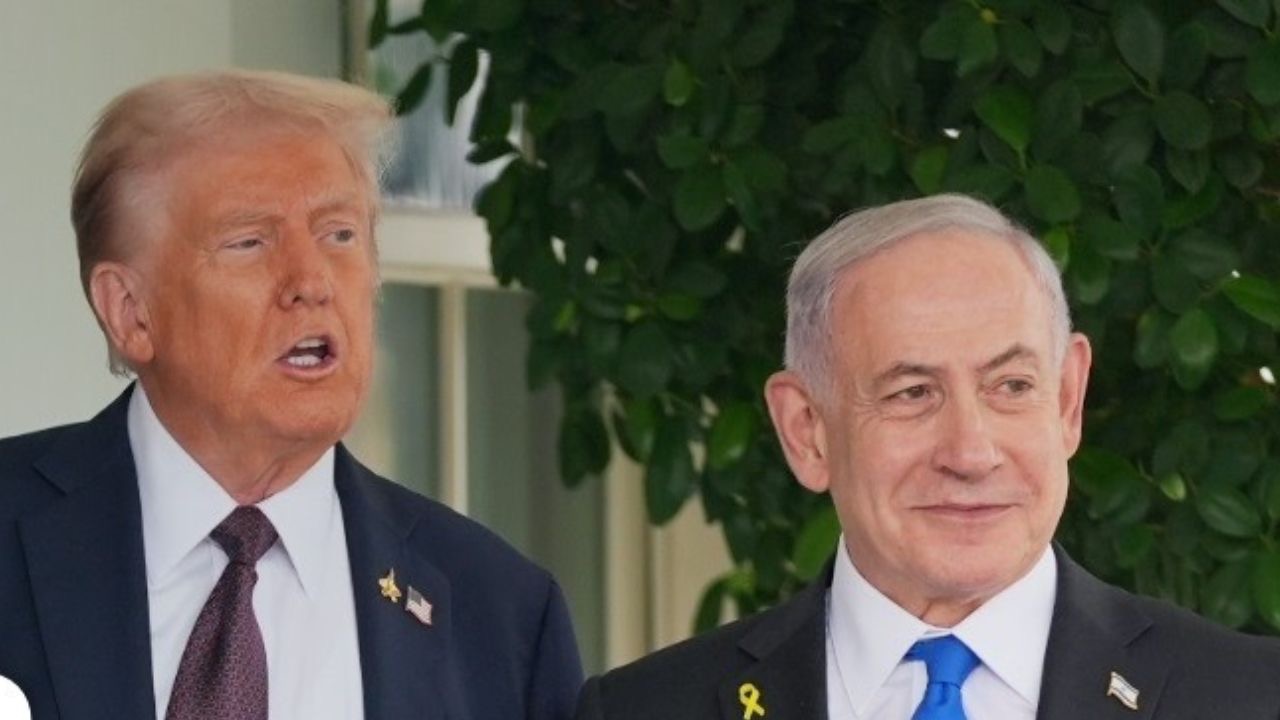
President Donald Trump pushed back against Israel’s recent military actions in Lebanon, specifically criticizing strikes in Beirut that he viewed as excessive. Speaking after the incidents, he suggested that while Israel has every right to defend itself, the responses sometimes went further than necessary, especially in light of broader diplomatic efforts in the region. His comments highlighted ongoing tensions between the longtime allies amid delicate negotiations.
Context of the Beirut Strikes
Israeli forces carried out airstrikes targeting what they described as Hezbollah infrastructure in Beirut’s southern suburbs. Officials in Israel pointed to recent activity from the group, including aerial threats toward their territory. Lebanese authorities reported casualties and damage in civilian areas, raising concerns about escalation.
These operations fit into a longer pattern of exchanges along the border. Hezbollah and Israel have traded fire for months, with both sides accusing the other of violations. The strikes came at a sensitive time, as efforts to stabilize the wider area continued. Trump weighed in directly, noting that minor incidents did not always require heavy responses that affected buildings in the city.
Trump’s Direct Message to Netanyahu
In remarks tied to the G7 and other settings, Trump told Israeli Prime Minister Benjamin Netanyahu that a softer approach in Lebanon might serve better. He referenced cases where drones caused little harm yet led to significant destruction in Beirut. “They could behave better,” he said, while still affirming Israel’s partnership and right to security.
The president stressed he was not questioning Israel’s need to protect its people. Instead, he encouraged more precise handling of threats from Hezbollah. His words reflected frustration over actions that could complicate larger goals, including regional agreements involving Iran. Netanyahu and Trump have a long history together, but differences on timing and scale have surfaced.
Impact on Regional Diplomacy
Trump’s call for restraint ties closely to ongoing talks aimed at reducing hostilities across the Middle East. A potential deal with Iran hinges in part on calming fronts like Lebanon. Fresh strikes risk derailing progress, as Iran and others have linked broader ceasefires to Israel’s operations against Hezbollah.
Observers note that excessive force in Beirut could isolate Israel diplomatically at a moment when coordination with the U.S. matters most. Trump has repeatedly emphasized that peace efforts require everyone to step back from unnecessary confrontation. This latest episode underscores how local incidents can ripple into bigger strategic challenges.
Israel’s Security Perspective
From Israel’s viewpoint, operations against Hezbollah aim to neutralize persistent threats near its northern border. The group has launched attacks over time, prompting responses meant to deter further aggression. Israeli leaders argue that allowing unchecked activity endangers civilians and stability at home.
At the same time, managing these threats without broader fallout remains difficult. Allies like the U.S. urge careful calibration to avoid undermining shared interests. Trump acknowledged Israel’s strong record as a partner but suggested improvements in execution could yield better outcomes for everyone involved.
Balancing Defense and Diplomacy
Finding the right mix of strength and measured response defines much of the current dynamic. Trump made clear that self-defense stays essential, yet proportionality counts when larger deals sit on the table. His public comments serve as both advice and warning to allies navigating complex threats.
Moving forward, the situation in Lebanon and beyond will test how well these partners align. Restraint in places like Beirut could open space for de-escalation, while continued pressure risks prolonging cycles of violence. The coming weeks may reveal whether calls for a steadier hand gain traction amid the push for lasting arrangements.

Asher was raised in the woods and on the water, and it shows. He’s logged more hours behind a rifle and under a heavy pack than most men twice his age.