Massachusetts becomes first US state to legalise haggis
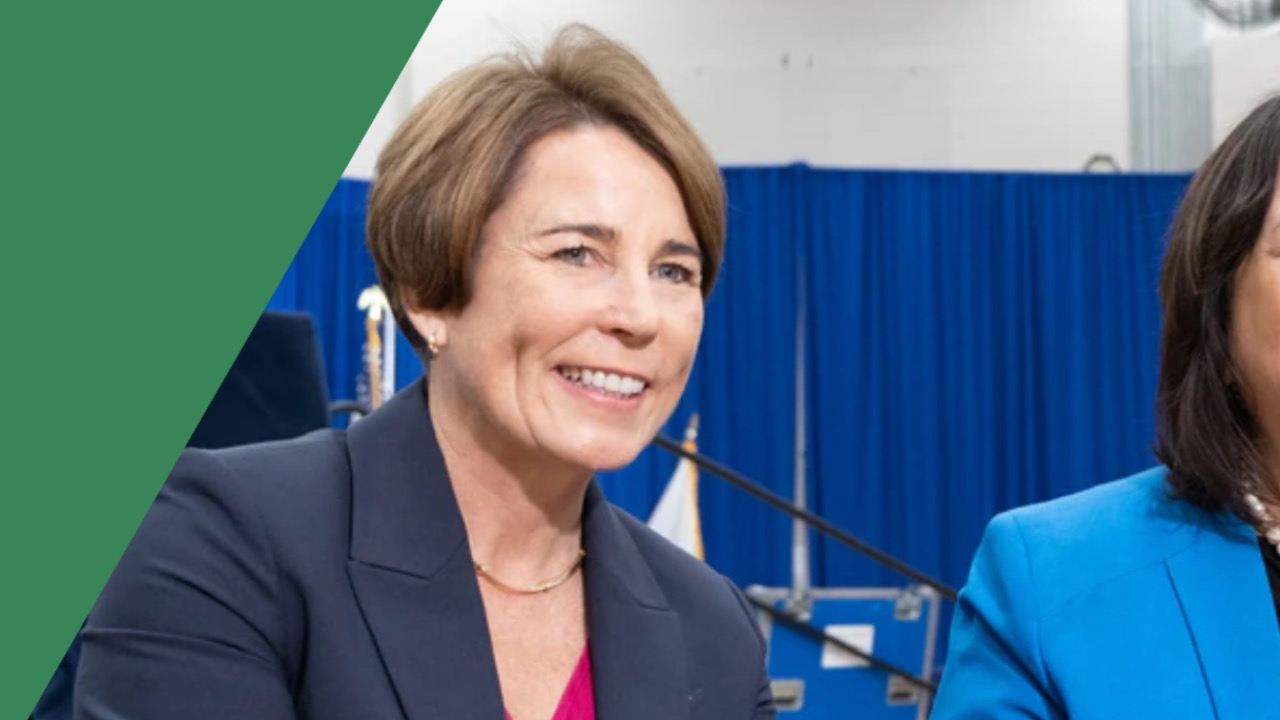
Massachusetts Governor Maura Healey signed an executive order on Wednesday declaring haggis legal in the state, marking the first such move by any U.S. state for the traditional Scottish dish. The lighthearted gesture came amid the influx of Scottish supporters, known as the Tartan Army, who have filled Boston for the 2026 FIFA World Cup.
The signing took place at the State House in Boston, with Scottish podcaster and Tartan Army member David McIntosh Jr. present. Healey was captured in a video shared widely on social media, stating they had made haggis legal in Massachusetts. While framed as an official action, it carries no binding legal weight at the federal level, where the longstanding ban remains in place.
Background of the U.S. Ban on Traditional Haggis
Haggis has been barred from import into the United States since 1971 under USDA regulations that prohibit the use of sheep lungs in food products. The dish traditionally includes sheep’s pluck — heart, liver, and lungs — mixed with oatmeal, suet, onions, and spices, all encased and boiled. Concerns over potential contaminants in lungs led to the restriction, which also applies to domestic production.
This federal rule has long frustrated Scottish communities and those with Scottish heritage in America. Efforts to lift or modify the ban have surfaced over the years, including recipe adjustments by producers to exclude lungs for potential U.S. markets. Massachusetts’ symbolic order highlights growing cultural interest without altering national policy.
The timing aligns with Scotland’s strong showing at the World Cup, adding a festive layer to ongoing discussions about food traditions and heritage.
The Tartan Army’s Impact in Boston
Thousands of Scottish fans have transformed parts of Boston into a vibrant extension of home during the tournament. Following Scotland’s opening win, supporters marched with bagpipes, filled pubs to capacity, and even participated in local events like a Fenway Park takeover. Their energy led to beer shortages at some spots and prompted extended hours in others.
The campaign for haggis legalization gained traction through efforts like a petition from Scottish butcher Simon Howie and advocacy from fans on the ground. “No haggis, no party” became a rallying chant, blending football passion with cultural pride. Governor Healey’s participation underscored the city’s welcoming stance toward the visitors.
Locals have responded positively to the fans’ respectful and lively presence, with reports of cleanup efforts after gatherings leaving public spaces in good condition.
Haggis in Scottish Culture
Haggis holds a central place in Scottish identity, often associated with Burns Night suppers that honor poet Robert Burns. Its humble origins as a way to use offal reflect resourceful traditions from rural life. Modern versions appear in supermarkets and restaurants, sometimes with variations to suit different tastes or regulations.
For many Scots abroad, access to authentic haggis represents a tangible connection to heritage. The Massachusetts announcement, though symbolic, resonates as recognition of that cultural significance during a major international event.
What Comes Next for Haggis in the U.S.
While this state-level nod does not change federal import rules, it could encourage broader conversations about food policy and cultural exchange. Some producers continue exploring lung-free recipes compliant with U.S. standards, potentially opening doors for wider availability.
In the meantime, the moment has boosted spirits among Scottish fans in Boston and beyond. It serves as a reminder of how sports, culture, and local leadership can intersect in unexpected and memorable ways as the World Cup continues.

Asher was raised in the woods and on the water, and it shows. He’s logged more hours behind a rifle and under a heavy pack than most men twice his age.