Rifles That Break Before You Do
Some rifles hold up to years of weather, recoil, and rough handling without blinking. Others… well, they start showing their weaknesses long before your shoulders or patience give out. Whether it’s a design flaw, weak materials, or a reputation for early parts failures, certain rifles tend to tap out early in the season. When you’re in the field, the last thing you want is to wonder if your rifle can survive its own workload. Here are twelve rifles known for developing problems sooner than most, especially when they’re used hard or pushed outside their comfort zone.
Remington Model 597 (.17 HMR)
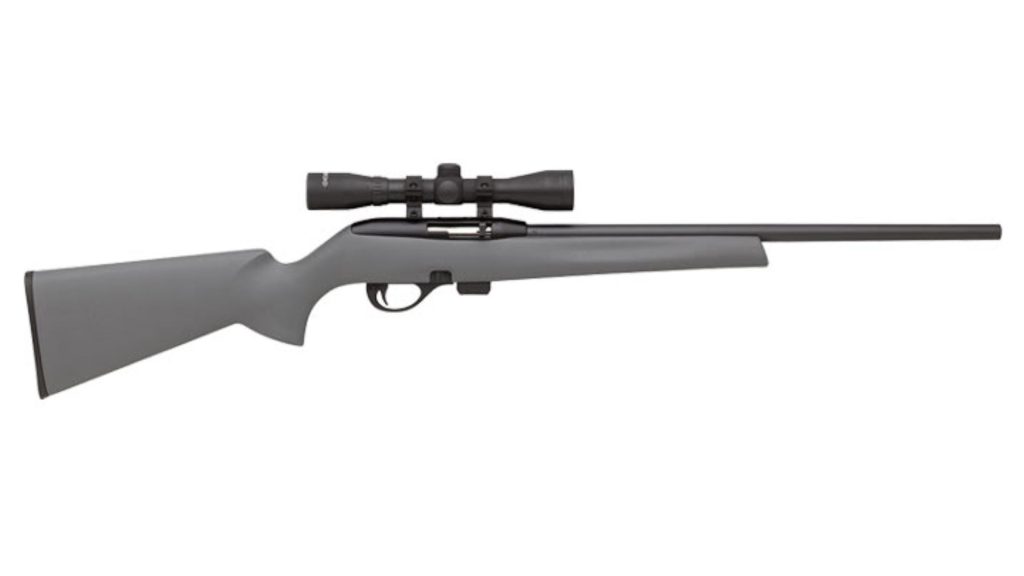
The .17 HMR version of the Remington 597 became notorious for cycling issues and case ruptures, which eventually led to its recall. Even when everything worked correctly, the platform simply wasn’t built to handle the pressure of that cartridge. Extractors wore quickly, magazines caused feeding problems, and ejection never felt fully trustworthy.
If you ran one long enough, you almost expected a malfunction. Many shooters tried to baby the rifle along, but even careful cleaning and quality ammo didn’t guarantee consistent performance. The rifle had promise, but the system wasn’t durable enough to keep up with how fast the .17 HMR burns through parts under repeated use.
Rossi RS22 Early Production
The RS22 earned plenty of fans later on, but early production runs had spotty quality. Extractors were soft, and some bolts showed wear after only a couple thousand rounds. If you shot rimfire heavily, you saw the limitations sooner than later.
The rifle wasn’t unsafe, but you could tell when metal parts weren’t hardened well or when tolerances were wider than ideal. Long shooting sessions revealed feeding hang-ups or failures to go into battery. If you tried to put it through serious training or continuous plinking, it reached its breaking point well before you did.
Marlin 1895 (Early Remington-Era Production)
After Remington acquired Marlin, the first few years of 1895 production had well-documented quality issues. Stocks cracked under recoil, sights weren’t aligned, and actions sometimes felt gritty straight from the box. It wasn’t the rifle’s design—it was manufacturing inconsistency during the transition.
Shooters found themselves troubleshooting problems that older, “JM-stamped” rifles never had. Heavy .45-70 loads accelerated wear, and the rifles simply didn’t hold up as well in the field. If you owned one from those transition years, you likely spent more time fixing or tuning than actually shooting.
Winchester Wildcat
The Winchester Wildcat came out as a lightweight, budget-friendly semiauto, but the polymer construction didn’t impress heavy users. The fire control group and internal components relied on plastic in places that usually benefit from metal.
Over time, hard use caused warping and fitment issues for some shooters. If you ran high round counts, you could feel the rifle getting sloppy—trigger feel changed, parts loosened, and accuracy drifted. It held up fine for casual plinking, but long sessions exposed the limits of the design.
Ruger American Rimfire (Early Stocks)
The Ruger American Rimfire shoots well, but early synthetic stocks were prone to flexing. You didn’t need much pressure on the forend to make it touch the barrel, which created point-of-impact shifts in real-world field positions.
If you hunted or trained from kneeling or braced off brush, you saw accuracy change from one shot to the next. The action was solid, but the stock simply couldn’t take abuse without affecting performance. Shooters who pushed the rifle beyond benchrest work found themselves frustrated long before they were physically tired.
AR-15 Budget Builds With Low-Grade Bolt Carriers
Many bargain-bin ARs cut costs in the bolt carrier group, where durability matters most. Soft metal, poor staking, and out-of-spec gas keys caused early failures in rifles that otherwise looked fine on the rack.
If you shot high volumes or ran the gun hot, these parts announced their limits quickly—chipped lugs, gas leaks, or broken extractors weren’t unusual in the cheapest models. A good shooter can manage a lot, but no amount of skill fixes a carrier that wasn’t heat-treated correctly. Many of these rifles simply weren’t built for hard cycles.
Remington Model 710
The Remington 710 was built with cost-cutting in mind, and it showed. The injection-molded receiver and pressed-in barrel created long-term durability issues. Extractors wore quickly, and the bolt wasn’t known for smooth travel or longevity.
Hunters noticed failures after moderate use—sticky chambers, rough feeding, or accuracy drifting. Even with regular maintenance, the rifle’s lifespan felt shorter than most entry-level bolt guns. Push it hard in rough country, and you felt the system wearing faster than you liked.
Mossberg 702 Plinkster
The 702 Plinkster is lightweight and fun, but it wasn’t built for endless use. Feed lips on some magazines bent easily, and the internal parts showed wear with high round counts.
If you were the type to burn through bricks of .22 LR in a weekend, you learned that the rifle had a shelf life. Springs weakened, screws loosened, and accuracy eventually fell off. It served its purpose but wasn’t meant for long-term, heavy shooting.
Savage Axis (First Generation)
Early Savage Axis rifles were accurate, but the original stocks were known for flexing and shifting under recoil. Hard hunting use sometimes led to cracked stocks near the wrist or forend.
Shooters who tried to treat the Axis like a rugged field gun pushed it past what the early materials could take. Action screws loosened, bedding surfaces compressed, and groups widened. The rifle shot well when new, but the lightweight build showed its limits with time and miles.
Century Arms C308
The C308, built from surplus CETME parts, had wildly inconsistent durability depending on what batch of components you got. Some rifles ran fine, while others suffered from worn trunnions, soft rollers, or misaligned barrels.
If you pushed one with high round counts, you learned quickly whether your specific example was up to the task. Many shooters found themselves dealing with premature wear or reliability problems long before they expected to. The platform could work—but its longevity was always a gamble.
Remington 7400
The Remington 7400 had a reputation for being sensitive to fouling. As carbon built up, the action slowed, and the rifle began to chew extractors or fail to cycle reliably.
Hard use magnified these issues. If you weren’t meticulous with cleaning, the rifle reminded you with jams or worn parts. Many hunters liked the idea of a lightweight semiauto deer rifle, but those who ran them heavily found component life shorter than they expected.
Palmetto State Armory Early-Run AKs
PSA’s modern AKs are much improved, but early production rifles had parts-wear issues—especially with trunnion hardness and rivet quality. Some rifles showed signs of peening or premature deformation when shot hard.
If you took one through multiple high-round-count classes, you saw wear long before you felt worn out yourself. The guns worked, but their early metallurgy simply wasn’t built for the volume many shooters pushed through them. Later models corrected the problems, but those first waves earned their reputation honestly.

Asher was raised in the woods and on the water, and it shows. He’s logged more hours behind a rifle and under a heavy pack than most men twice his age.