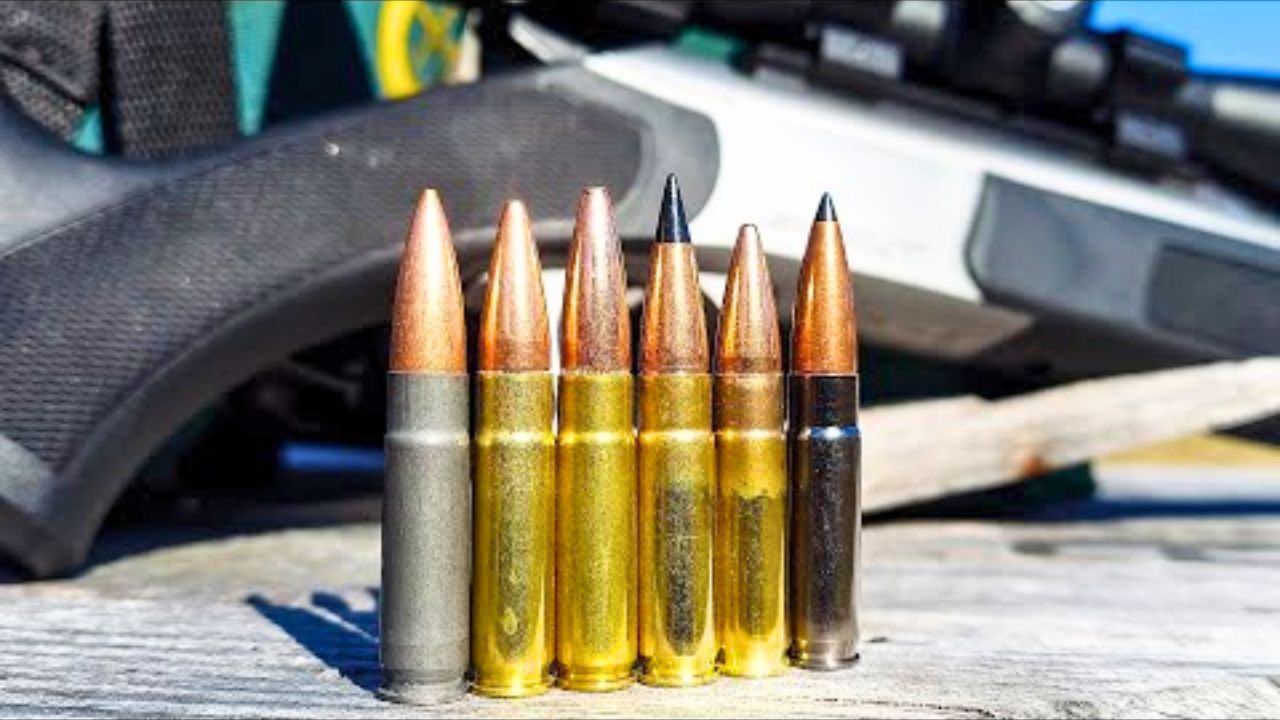
The Calibers That Divide Hunters Every Season
Every fall, before the first leaf drops, the same debates start circling hunting camps and online forums. Some cartridges have a way of splitting hunters straight down the middle. One camp swears by them, defending every ballistic detail. The other camp avoids them entirely, usually because of a bad experience or a streak of inconsistency in the field. These rounds aren’t failures, but they aren’t universally trusted either. They live in that gray area where performance depends heavily on bullet choice, shot angle, and honest expectations.
6.5 Creedmoor
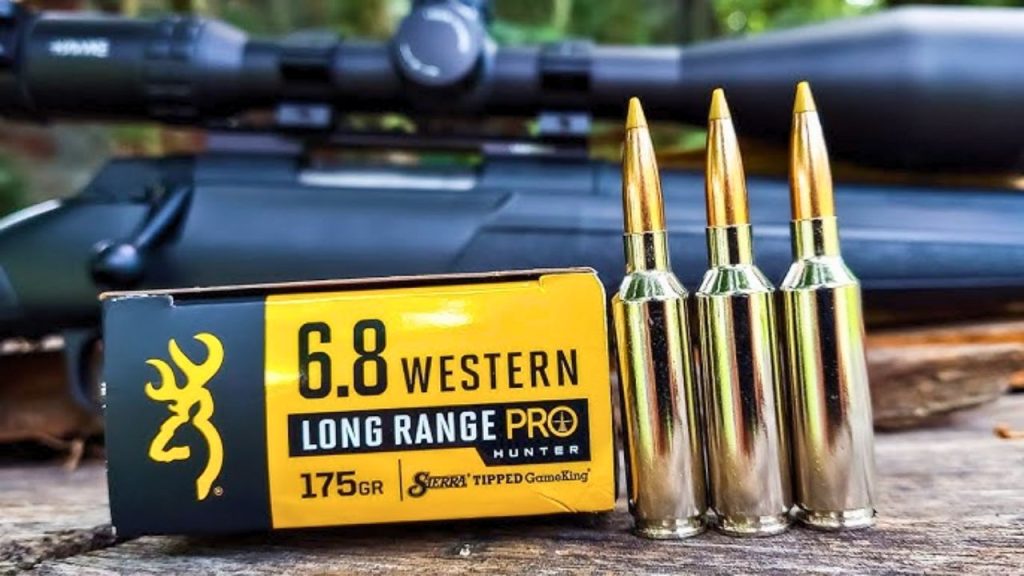
Few cartridges spark arguments like the 6.5 Creedmoor. It’s accurate, soft-kicking, and proven on long-distance targets. But in the woods, it sometimes loses admirers. Close-range shots with fast-expanding bullets can lead to shallow damage, especially when a deer is quartering. The round stays capable, but it demands tighter discipline than casual fans like to admit.
Many hunters swear the Creedmoor is all they’ll ever need. Others say it leaves wounded deer too easily when angles get tough. The truth lies somewhere in between—it works when paired with the right bullet and a hunter willing to pass low-odds shots.
.243 Winchester
The .243 is a gateway cartridge for countless young hunters, and it’s earned that role. It’s accurate, manageable, and downright deadly on broadside deer. But the moment angles get complicated, the light bullets show their limits. Shoulder hits or steep quartering shots can lead to long tracking jobs.
Some hunters think the .243 is underrated, while others say it leads to avoidable losses. Both sides have a point. It’s a fine deer cartridge if you respect its limitations. Step outside that narrow window, and its reputation quickly becomes mixed.
.300 Blackout
The .300 Blackout appeals to hunters who like compact rifles and light recoil. Supersonic loads can anchor deer at close ranges, but the cartridge loses steam fast beyond 150 yards. Subsonic loads widen the divide even more—many expand poorly, creating small wound channels that leave deer running for miles.
Supporters argue it’s a perfect hardwood cartridge. Critics say it belongs nowhere near a mature whitetail unless conditions are ideal. It’s one of the most debated rounds today simply because expectations often exceed what the cartridge can reliably deliver.
7mm Remington Magnum
The 7mm Rem. Mag. has a long history and a loyal following, but the recoil scares off just as many hunters as it wins over. High velocity demands tougher bullets, and poor bullet choice can ruin close-range performance. Meanwhile, shooters who aren’t used to its punch often develop flinches that wreck accuracy.
Fans applaud its range and power. Skeptics call it overrated and punishing. Whether it earns praise or frustration usually depends on how much a hunter actually practices with it.
.223 Remington
The .223 sits on both sides of the deer-hunting debate. With the right bullet, it’s capable and surprisingly effective within moderate distances. But many hunters use loads better suited for varmints, leading to shallow wounds and lost deer—fueling the cartridge’s controversial status.
Its supporters point out clean kills and low recoil. Its critics remember deer that ran farther than they should have. The cartridge isn’t the problem. Misuse is. Unfortunately, its reputation still takes the hit.
5.56 NATO
The 5.56 is nearly identical to the .223 in performance, but mil-spec bullets muddy the waters. Many standard loads aren’t designed for deep penetration on big-bodied deer, especially once velocity drops in short barrels. Hunters who use the wrong ammo walk away blaming the cartridge.
Those who select proper hunting bullets usually have no complaints. But because the cartridge is so closely tied to AR platforms and surplus ammo, its reputation remains uneven across camps.
.30-30 Winchester
The .30-30 has been around long enough to earn its place in deer hunting history. Still, it divides hunters who grew up stretching shots across open timber. Its rainbow trajectory and moderate energy leave little forgiveness beyond 200 yards, and many modern hunters prefer flatter-shooting rounds.
Traditionalists praise its reliability and clean performance in thick cover. Critics argue it holds hunters back. The divide usually stems from terrain and expectations, not the cartridge itself.
.45-70 Government
The .45-70 swings dramatically between being praised as a powerhouse and dismissed as excessive. With modern loads, it can take down any deer that walks, but recoil becomes an issue quickly. Lightweight rifles chambered for it only exaggerate the problem.
Some hunters love the authority it brings. Others say it’s more punishment than necessary for whitetails. It shines in the right hands but never finds universal acceptance, largely because few hunters want to absorb its kick season after season.
.22-250 Remington
The .22-250’s accuracy makes hunters want to trust it on deer, but bullet weight becomes a major limitation. Even strong .224 bullets struggle when shots aren’t ideal. A perfect broadside at moderate range is fine; anything else exposes its shortcomings.
Those who’ve used it successfully will defend it endlessly. Those who saw it fail won’t touch it again. Both sides have valid stories, which keeps the debate alive.
.450 Bushmaster
In straight-wall states, the .450 Bushmaster has become a star—but not everybody is impressed. It hits hard up close, but its recoil, muzzle blast, and dropping trajectory divide hunters fast. Beyond 150 yards, small misjudgments in distance turn into big misses.
Some love its raw power. Others see it as a specialty tool with too many compromises. Where you hunt—and how far you typically shoot—usually determines which camp you fall into.
.357 Magnum Carbines
The .357 Magnum out of a carbine surprises some hunters with its close-range punch. But anything beyond about 100 yards becomes questionable, especially on large-bodied deer. Bullet performance varies dramatically between handgun-optimized designs and carbine velocities.
Fans appreciate its handiness and low recoil. Skeptics say it’s an underpowered novelty. Once again, the divide comes down to expectations and distance.
6.5 Grendel
The 6.5 Grendel wins people over with its mild recoil and AR compatibility. But once ranges stretch past 200 yards, energy drops off quickly. On top of that, bullet selection matters more than many hunters realize, especially on angled shots.
Supporters love how easy it is to shoot well. Critics argue it’s inconsistent on big deer unless conditions line up perfectly. It’s neither miracle nor mistake—just a cartridge that needs honest understanding.

Leo’s been tracking game and tuning gear since he could stand upright. He’s sharp, driven, and knows how to keep things running when conditions turn.