Game That Disappears from Popular Hunting Zones
Every hunter has watched a once-productive spot go cold. One year it’s full of movement; the next year it feels like a ghost town. Pressure, habitat shifts, and changing food sources can push animals out faster than most hunters want to admit. Some species are especially quick to leave when crowds show up, ATVs start buzzing, and rattled deer learn the escape routes by heart. These critters don’t always vanish from the region—they simply slide into places where fewer hunters bother to look. Understanding which species bail first can save you a lot of dead sits and empty trail cameras.
Whitetail Deer
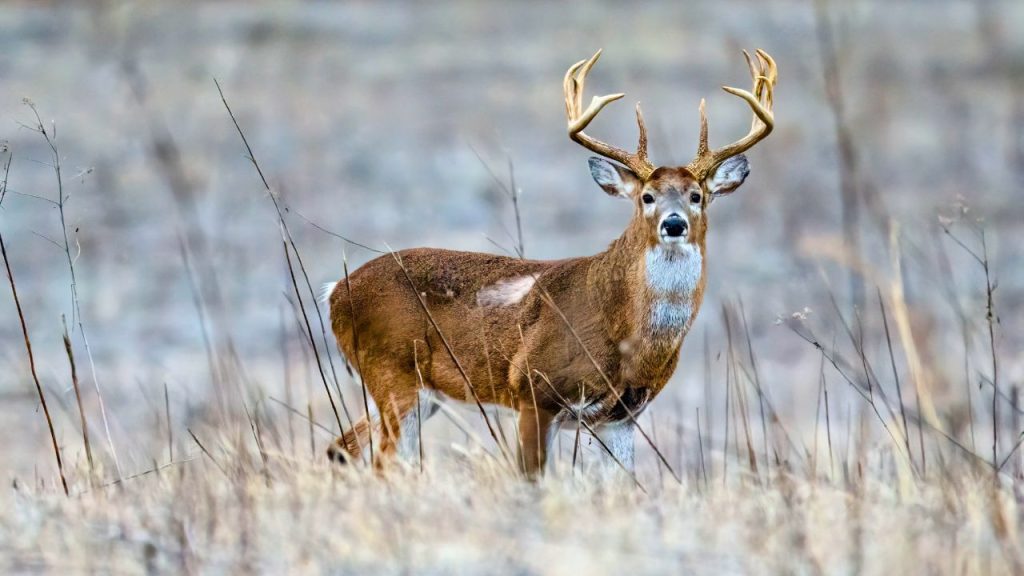
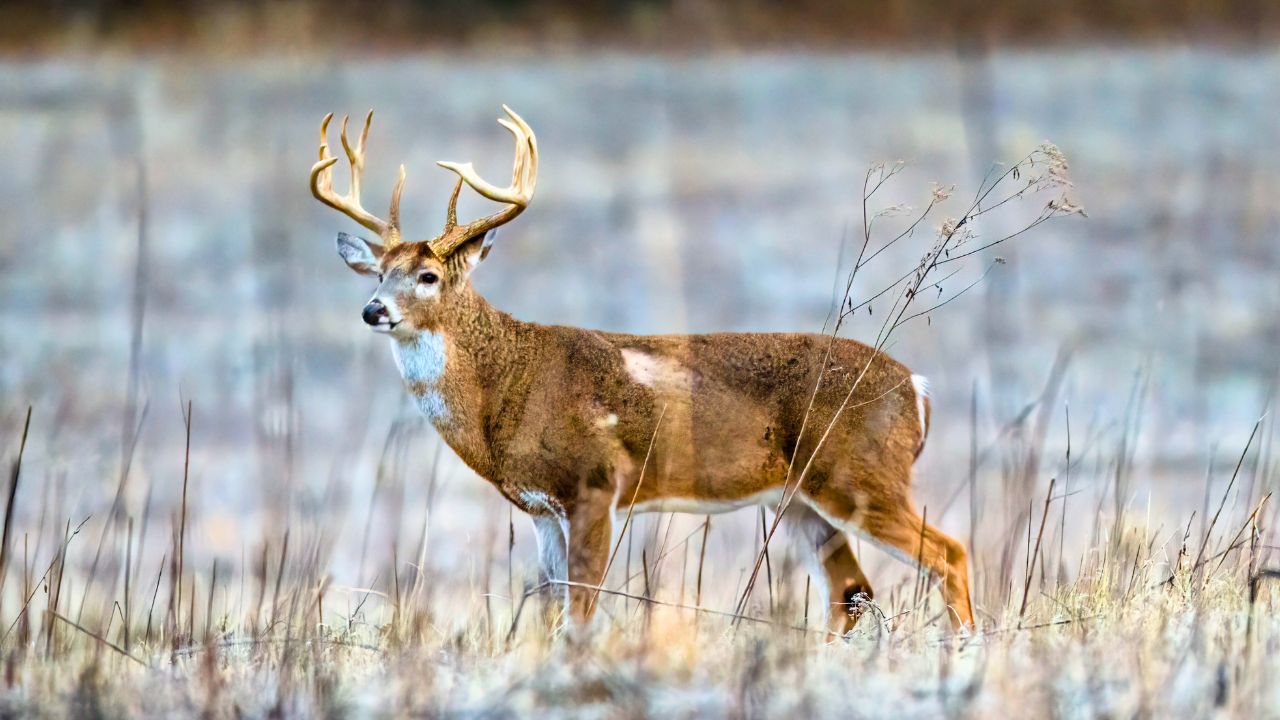
Whitetails thrive around people, but heavy pressure makes them vanish from popular hunting zones long before the season peaks. A few close calls and they become nocturnal or slip deep into overlooked edges. Hunters often blame predators, but most of the time it’s constant human disturbance pushing deer into tiny pockets nobody checks.
Once a mature buck gets bumped more than once, he’ll shift to tighter cover, often bedding in steep drainages or tangled thickets a quarter-mile from the pressure. Whitetails don’t leave the landscape—they leave the obvious places, and most hunters spend the rest of the season wondering where they went.
Mule Deer
Mule deer are far more sensitive to pressure than whitetails. In popular western units, big bucks vanish the moment trucks start lining ridge roads. They move higher, drop into hidden basins, or bed in dark timber where glassing won’t reveal much. Many hunters assume mule deer numbers dropped, when in reality the animals simply relocated to places that require real effort.
When hunting pressure spikes, mule deer change their movement patterns dramatically. They travel earlier, bed farther from roads, and refuse to feed in the open. In crowded units, the biggest bucks survive by being seen less, not by being fewer.
Elk
Elk don’t tolerate pressure—especially from large groups. In heavily hunted units, herds often shift miles overnight to avoid human scent and noise. They slide into steep, nasty canyons or dark timber pockets most hunters don’t touch. Crowded trailheads and loud camps push elk deeper every single season.
Even during the rut, bulls become cautious. Bugling on public land sounds more like a roll call than a natural event, and older bulls learn quickly which calls come with danger. Elk don’t disappear from the map—they abandon the easy country and head for terrain that punishes anyone chasing them.
Pronghorn
Pronghorn seem visible everywhere until hunting season starts. Once trucks begin cruising fencelines, these animals tighten their patterns and concentrate on private land or wide-open flats no one can approach without being spotted. Their eyesight gives them an edge, and a pressured herd can shift several miles in a day.
Many hunters underestimate how quickly pronghorn learn danger. They don’t hide like deer—they relocate to places where hunters can’t close the distance. By the end of the season, popular access points often feel empty, even though the animals are still very much around.
Wild Turkey
Turkey populations can drop quickly in high-pressure zones. Heavy calling, repeated roost busting, and constant foot traffic push gobblers into low-pressure pockets. It’s not unusual for a popular ridge to go silent halfway through the season while a nearby overlooked valley stays productive.
Turkeys adapt fast. Once they get bumped a few times, they fly down in different directions, avoid predictable strut zones, and stop gobbling as much. Hunters mistake silence for absence. In reality, the birds are still close—just wiser and farther from the beaten path.
Black Bear
Bears react strongly to pressure and human activity. In areas with heavy bait-site competition, they learn quickly which locations are dangerous. They shift feeding times, avoid daylight movement, and sometimes abandon pressured drainages altogether. Popular zones often see a sudden “drop” that has more to do with hunter impact than actual numbers.
Bears tend to relocate into steep, brushy slopes or thick, wet creek bottoms where people rarely go. When hunters complain that bear numbers are down, they’re often overlooking how adaptable these animals are to disturbance.
Squirrels
Squirrels vanish faster than most hunters expect in crowded woods. After a morning of steady shooting and footsteps, they retreat into dens, hollow trees, or the highest canopy. The midday lull isn’t always a natural slowdown—it’s a pressure response.
Once they’ve been pressured hard, squirrels shift feeding patterns to early dawn or late evening. Popular public-land ridges that once sounded like popcorn often grow quiet by midseason, leaving many hunters thinking populations collapsed.
Grouse
Ruffed grouse are notoriously sensitive to pressure. In heavily hunted areas, they move deeper into cover, avoiding trails and open timber. Even small disturbances can push them into low, wet pockets or thick regrowth that most hunters overlook.
Many believe grouse numbers tanked, but these birds simply adapt by becoming nearly impossible to flush in high-traffic woods. The less they hear bootsteps, the longer they stay put.
Waterfowl
Waterfowl don’t disappear at random—they follow pressure, food, and weather. Popular blinds and heavily hunted lakes often burn out in a single weekend. Birds shift to small potholes, quiet river bends, or private fields that offer safety and less calling.
Ducks and geese watch pressure patterns closely. If a marsh sees constant traffic, the birds will raft on bigger water during the day and feed well after shooting hours. It’s not a population problem; it’s an overhunting problem.
Coyotes
Coyotes learn quickly which areas are unsafe. In popular predator-hunting spots, they circle farther downwind, come in silently, or avoid the area entirely. Over time, heavily hunted ground becomes quiet—not because coyotes disappeared, but because they adjusted.
They move into brushy creek bottoms, reclaimed fields, or areas with fewer access points. Hunters who keep returning to the same pressured ground often assume they’ve “killed them all,” but coyotes simply shifted their comfort zone.
Rabbits
Rabbit cover near heavily hunted entry points gets hammered early. After a few days of pressure, rabbits push deeper into briars and thickets that require serious crawling. They stay tighter, flush later, and rely more heavily on their dens.
Hunters think numbers dropped, but the animals are simply hiding in uglier cover that most people bypass. Move 200 yards off a beaten path, and the population often looks completely different.
Pheasants
Pheasants almost always abandon high-pressure fields first. Once trucks roll in and dogs hit the grass, they head for cattails, railroad edges, or private corners that offer thicker protection. Birds in heavily hunted public parcels often shift to neighboring land where boot traffic is lighter.
They don’t disappear from the landscape—they simply move to where fewer people bother to go. The hunters willing to walk past the crowds find out fast that the birds never left at all.

Leo’s been tracking game and tuning gear since he could stand upright. He’s sharp, driven, and knows how to keep things running when conditions turn.