

Calibers hunters defend out of habit, not results
Every hunting camp has a few cartridges that get defended like family heirlooms. They’ve been around forever, filled freezers in their day, and earned loyalty through repetition. The problem is that tradition doesn’t stop physics. Bullet design, powders, and expectations have moved on, while some cartridges haven’t kept pace. That doesn’t mean they never work, but it does mean their results often lag behind the confidence people place in them.
If you’ve ever wondered why a caliber needs so much explaining after the shot, this list will feel familiar. These are rounds hunters defend because they always have, not because they consistently deliver clean, predictable outcomes.
.30-30 Winchester
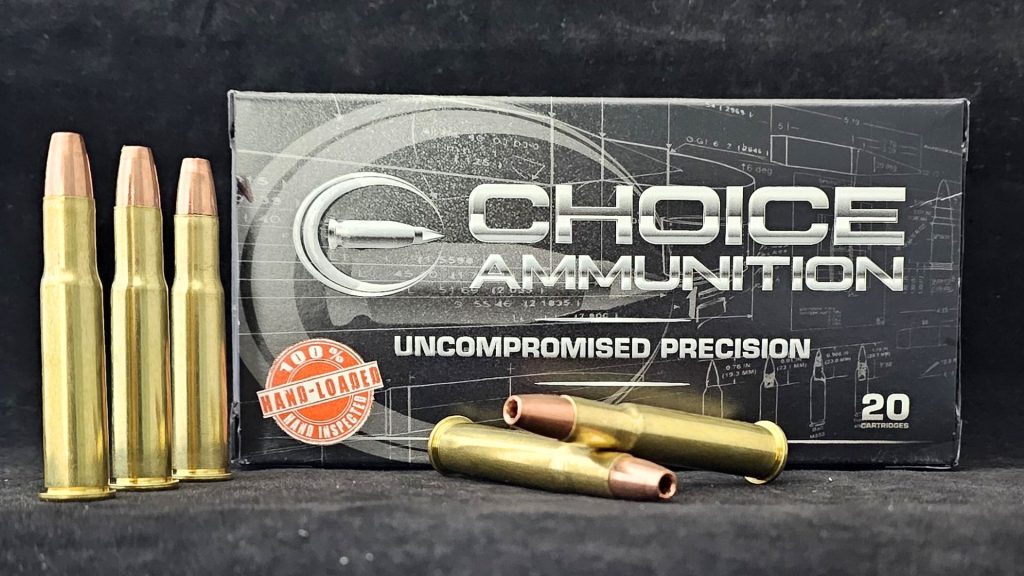
The .30-30 Winchester gets defended harder than almost any deer cartridge, mostly because of what it used to represent. In thick woods and iron-sight ranges, it still works. The trouble starts when hunters stretch it past what it’s built to do.
Ballistics fall off fast, bullet drop becomes guesswork, and energy dwindles quicker than many admit. You can make it work with perfect shot placement, but modern cartridges make those same shots easier and more forgiving. The defense usually sounds like stories instead of data, which says more about nostalgia than performance.
.35 Remington
The .35 Remington lives on reputation from old lever guns and eastern whitetail camps. It hits hard up close, but that’s where its strengths end. Velocity is limited, trajectory is arched, and range estimation matters more than many want to admit.
Hunters defend it because it “hits like a hammer,” yet pass-throughs and tracking jobs aren’t uncommon beyond modest distances. With modern bullet construction available in faster cartridges, the .35 Remington often creates more limitations than advantages. It still kills deer, but it doesn’t do it efficiently compared to what’s available now.
.25-06 Remington
The .25-06 Remington gets praised as a flat shooter, but real-world results don’t always match the confidence. Light bullets shed energy quickly, and wind drift becomes noticeable sooner than expected.
Hunters defend it by pointing to accuracy on paper, not terminal performance in the field. On perfectly broadside deer it works fine, but angles, bone, and distance narrow the margin. Modern 6.5mm cartridges do the same job with better penetration and less sensitivity to conditions. The loyalty here comes from familiarity, not consistent results.
.243 Winchester
The .243 Winchester is often defended as “enough if you do your part,” which is usually a warning sign. It’s accurate and easy to shoot, but energy drops fast, especially with lighter bullets.
Deer die with it every season, but so do tracking jobs and long recoveries. Hunters defend the caliber because recoil is mild and rifles shoot tight groups. What gets ignored is how unforgiving it can be when shots aren’t perfect. Plenty of newer cartridges deliver the same shootability with better margin for error.
.270 Winchester
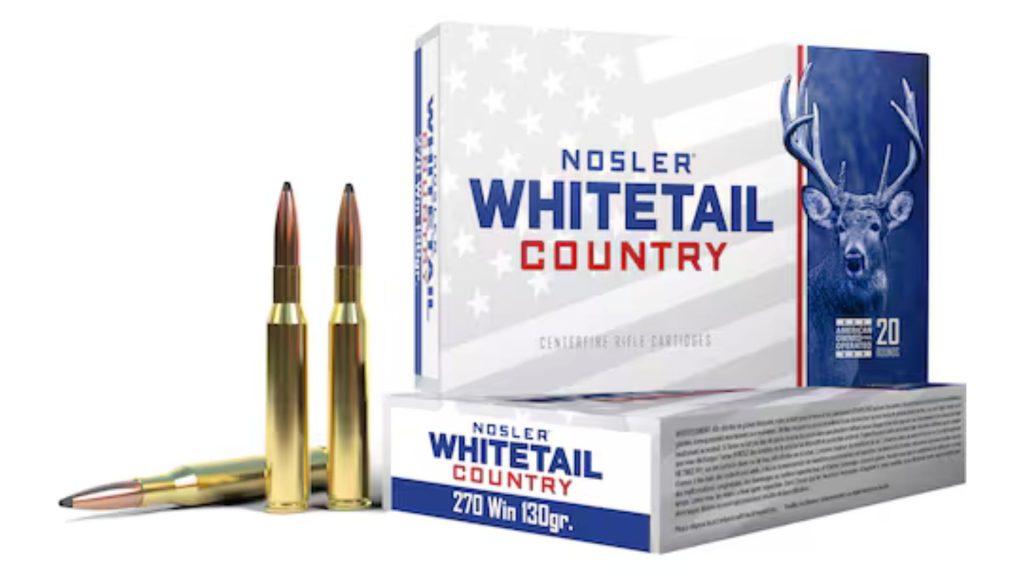
The .270 Winchester has a long track record, but that history often masks its shortcomings. Bullet selection is narrower than many modern options, and heavier-for-caliber performance isn’t its strength.
Hunters defend it because it “shoots flat,” yet wind drift and terminal performance don’t always match expectations at longer distances. It still works, but it doesn’t stand out anymore. Modern cartridges offer similar trajectories with better bullet performance and flexibility. The .270 survives on legacy more than measurable advantages.
.220 Swift
The .220 Swift gets defended as a speed king, but velocity alone doesn’t equal effectiveness. Barrel wear, sensitivity to load selection, and limited bullet options hold it back.
Hunters who defend it usually focus on numbers instead of field results. Energy retention and penetration aren’t ideal for deer-sized game, and wind drift becomes an issue despite the speed. Modern fast cartridges achieve similar performance with fewer downsides. The Swift’s reputation is louder than its practical hunting value.
.257 Roberts
The .257 Roberts earns loyalty for being mild and accurate, but that softness comes with tradeoffs. Energy and penetration lag behind modern cartridges designed with today’s bullets in mind.
Hunters defend it by saying it’s “pleasant to shoot,” which doesn’t help when conditions aren’t ideal. It works when everything lines up, but it doesn’t forgive mistakes. Newer cartridges provide the same recoil levels with better downrange performance. Habit keeps the Roberts alive more than results.
.30-40 Krag
The .30-40 Krag is defended almost entirely on history. It’s slow, drops hard, and lacks modern factory support. Yet some hunters still insist it’s just as good as newer rounds.
In reality, it demands precise range estimation and careful shot selection. Penetration and energy don’t compare favorably to modern .30-caliber options. When a caliber needs a history lesson to justify its use, that usually means results aren’t doing the talking anymore.
.32 Winchester Special
The .32 Winchester Special sits in the shadow of the .30-30 and inherits many of the same issues. Limited factory ammo, modest velocity, and curved trajectories make it unforgiving.
Hunters defend it because it “hits harder,” but the difference is marginal at best. Practical results rarely justify choosing it over more capable cartridges. Like many legacy rounds, it survives because it always has, not because it outperforms anything today.
.300 Savage
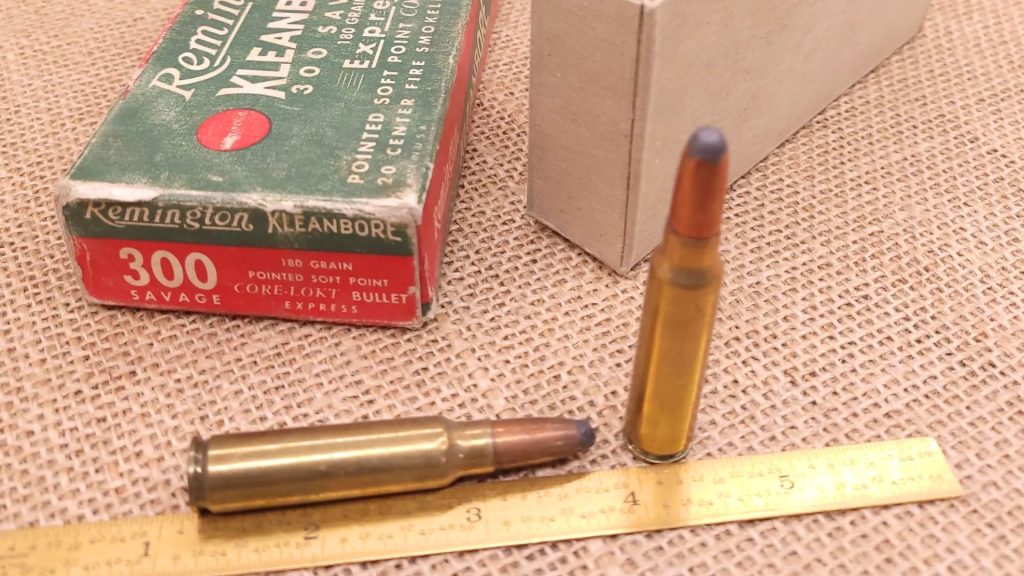
The .300 Savage was impressive in its time, but modern short-action cartridges surpassed it long ago. Velocity and energy fall short, and factory ammunition options are limited.
Hunters defend it based on old performance standards that no longer apply. While it can still kill deer cleanly, it doesn’t offer advantages over current designs. The loyalty comes from tradition, not from measurable gains in accuracy or terminal performance.
.45-70 Government
The .45-70 Government gets defended loudly, usually with stories about how hard it hits. At close range, that’s true. Beyond that, trajectory and velocity become major liabilities.
Hunters defend it as versatile, but most shots require significant holdover and careful distance judgment. It works within narrow limits, yet gets credited as a do-everything solution. Modern cartridges accomplish the same tasks with fewer compromises and better consistency.
.25-20 Winchester
The .25-20 Winchester is defended mostly out of sentiment. Its performance on deer-sized game is marginal, and shot placement demands are extreme.
Hunters who defend it usually rely on anecdotes rather than outcomes. Energy levels are low, penetration is limited, and ethical margins are thin. While it has a place in small-game history, defending it for deer hunting is more about tradition than responsible results.

Asher was raised in the woods and on the water, and it shows. He’s logged more hours behind a rifle and under a heavy pack than most men twice his age.


