Sidearms That Never Earned Their Loyal Fanbases
Every generation of shooters has a few sidearms that pick up buzz early on—usually because they look good, feel good in the hand, or get a push from marketing. But once people put rounds through them, the excitement fades. Some pistols struggled with reliability, others had awkward ergonomics, and a few were simply ahead of—or behind—the times. Whatever the reason, these handguns never built the loyal following their makers hoped for.
If you’ve ever handled a pistol that seemed promising until you actually ran it on the range, you’ll recognize the pattern. These are the sidearms that sparked interest but never held onto it.
Remington R51 (Gen 1)
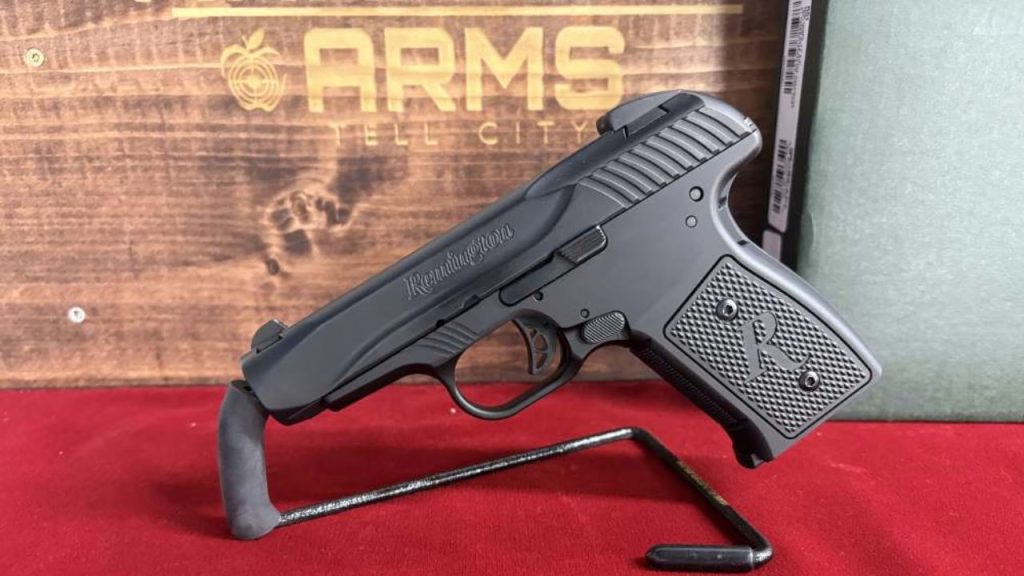
The Remington R51 launched with a wave of attention thanks to its compact frame and unique operating system. Many shooters liked how slim and comfortable it felt, and the metal frame gave it a solid presence in the hand. But once they started firing real rounds, the problems surfaced quickly. Feeding issues, sharp recoil impulses, and inconsistent cycling led to frustration across the board.
The hesitation came from the pistol’s complex locking system, which demanded perfect timing to function smoothly. That delicate balance rarely held up under mixed ammunition or heavy use. Any early fan enthusiasm dried up fast, and the pistol’s reputation never recovered, leaving it without a lasting fanbase.
Taurus 709 Slim
The Taurus 709 Slim earned plenty of interest for being affordable and compact, but many shooters realized its reliability didn’t match its looks. While some examples ran smoothly, others experienced frequent failures to feed, especially with hollow points. The triggers varied noticeably from one pistol to another, leading to inconsistent shooting experiences.
Its lightweight frame also made recoil snappy, which surprised new owners expecting a more forgiving carry gun. Over time, many shooters moved on to more dependable single-stack pistols in the same size class. The 709 Slim never built a dedicated following because the variance between individual pistols made confidence hard to maintain.
KelTec P11
The KelTec P11 attracted buyers with its high capacity in a compact frame, and many people liked the idea of a lightweight, affordable 9mm. But firing it is a different story. The long, heavy trigger pull makes accurate shooting difficult, especially under any kind of pressure. That pull was meant to function like a safety, but it discouraged good shooting habits.
The recoil impulse is also harsher than expected for a 9mm, thanks to the ultralight polymer frame. Combined with limited sight options and a dated design, most shooters who gave the P11 a chance wound up shelving it. The gun never earned widespread loyalty because shooting it wasn’t particularly enjoyable.
SIG Sauer Mosquito
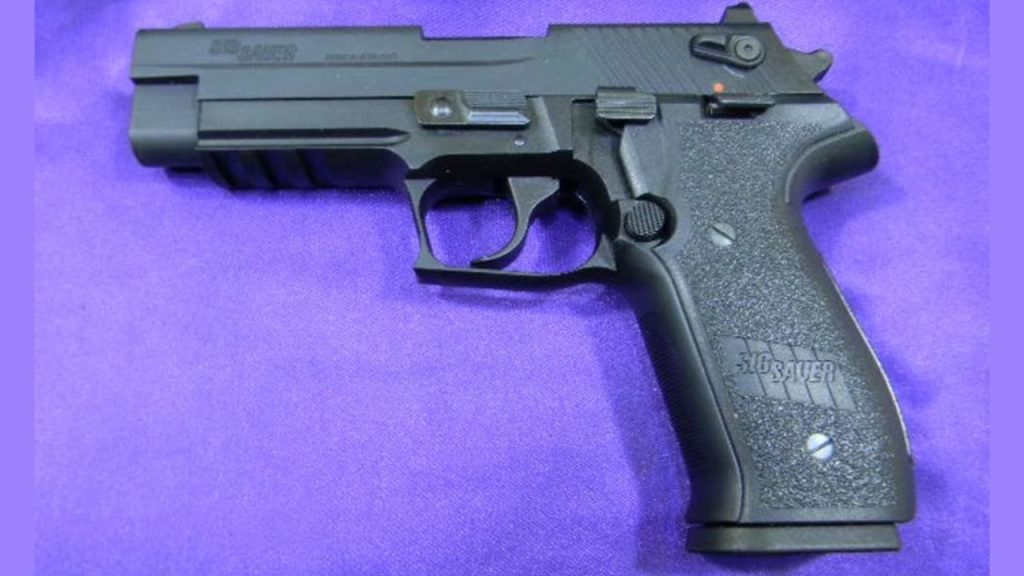
The SIG Mosquito looked like a scaled-down version of the company’s flagship pistols, which drew plenty of curiosity. But once shooters tried it, the shortcomings became obvious. The pistol was notoriously picky with ammunition and often required specific high-velocity rounds to run reliably. Bulk ammo caused constant cycling issues, making many range sessions more aggravating than fun.
Its controls and ergonomics were solid, but the reliability concerns overshadowed everything else. Many owners felt like they spent more time clearing stoppages than shooting, which prevented the pistol from developing a loyal core following. The Mosquito never gained the love that the larger SIG pistols enjoyed.
Walther P22 (Early Models)
The early Walther P22 models looked sleek and felt great in the hand, which made them appealing for new shooters. But once people started using them, reliability problems stacked up quickly. Light strikes, feeding issues, and inconsistent cycling were common when using anything other than premium ammunition. Many shooters were caught off guard by how sensitive the pistol was to different loads.
Durability concerns also cropped up. Some early models saw premature wear in the slide and frame rails. While later revisions improved performance, the initial problems damaged its reputation. The P22 never built the kind of loyal following that other Walther pistols earned, largely because early adopters were burned.
Hi-Point CF-380
The Hi-Point CF-380 tempted buyers with its low price and rugged build, but the shooting experience turned many away. While the pistol can be reliable with the right ammunition, the heavy slide and blocky ergonomics make it difficult to shoot comfortably. The trigger is spongy and long, which affects accuracy, and the balance feels top-heavy with every shot.
Owners also struggled with the limited magazine capacity and stiff reloads. Even budget-minded shooters often upgrade after experiencing the CF-380 on the range. It’s a pistol that works in the strictest sense, but it never developed a real fanbase because shooting it isn’t enjoyable or confidence inspiring.
S&W Sigma Series
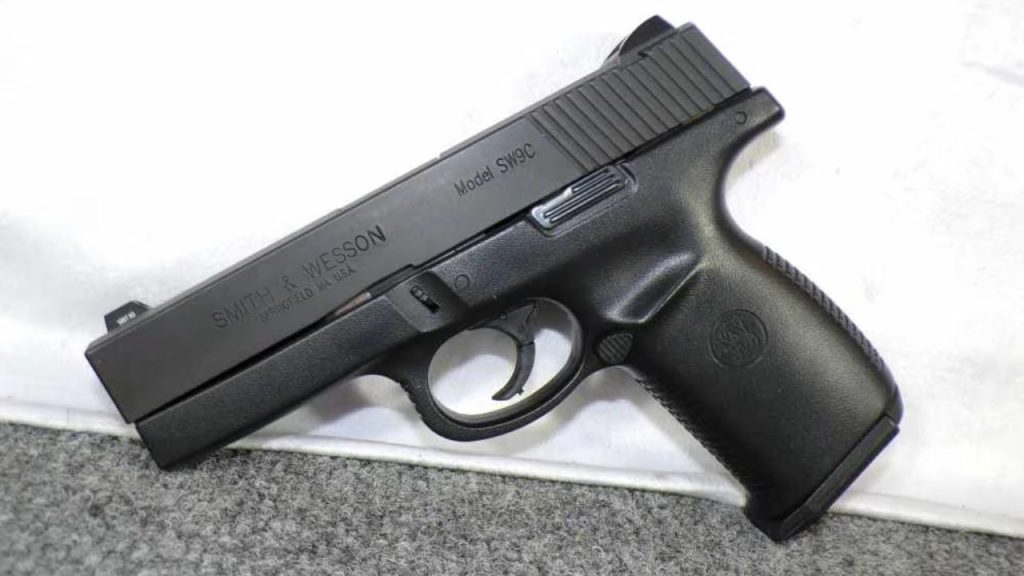
The S&W Sigma Series gained attention as an affordable alternative to Glock-style pistols, but the massive trigger pull pushed many shooters away. The heavy, gritty break made accurate shooting feel like a chore, especially for anyone accustomed to cleaner striker-fired triggers. Even dry fire revealed how stubborn the pull was.
Although the pistols were mechanically dependable, the shooting experience left most owners unimpressed. Many ended up replacing them with M&P models or other striker-fired options. The Sigma Series didn’t build a real fanbase because it delivered reliability without the comfort or shootability that most shooters want in a defensive pistol.
CZ 100
The CZ 100 had the potential to become a strong polymer-frame option, but its trigger doomed it from the start. The long, stacking pull made precision shooting difficult, and the reset felt vague and unfamiliar. Even fans of double-action triggers often struggled with the design. Performance on the range rarely matched the otherwise solid ergonomics of the pistol.
Magazine availability and limited aftermarket support also hindered interest. While the frame and slide design were durable, the shooting characteristics kept it from gaining traction. Most people who tried the CZ 100 moved on quickly, leaving the pistol without a solid base of long-term supporters.
Beretta 9000S
The Beretta 9000S drew attention for its unique styling and compact footprint, but many shooters discovered that handling it under recoil wasn’t as smooth as expected. The grip shape felt cramped for larger hands, and the slide’s profile made it difficult to rack confidently. The trigger was serviceable, but not particularly impressive compared to Beretta’s other options.
Some users also reported feeding issues depending on ammunition choice. Combined with the limited holster and parts support, the pistol struggled to catch on. While it’s an interesting footnote in Beretta history, it never became a favorite among shooters who value comfort and consistent performance.
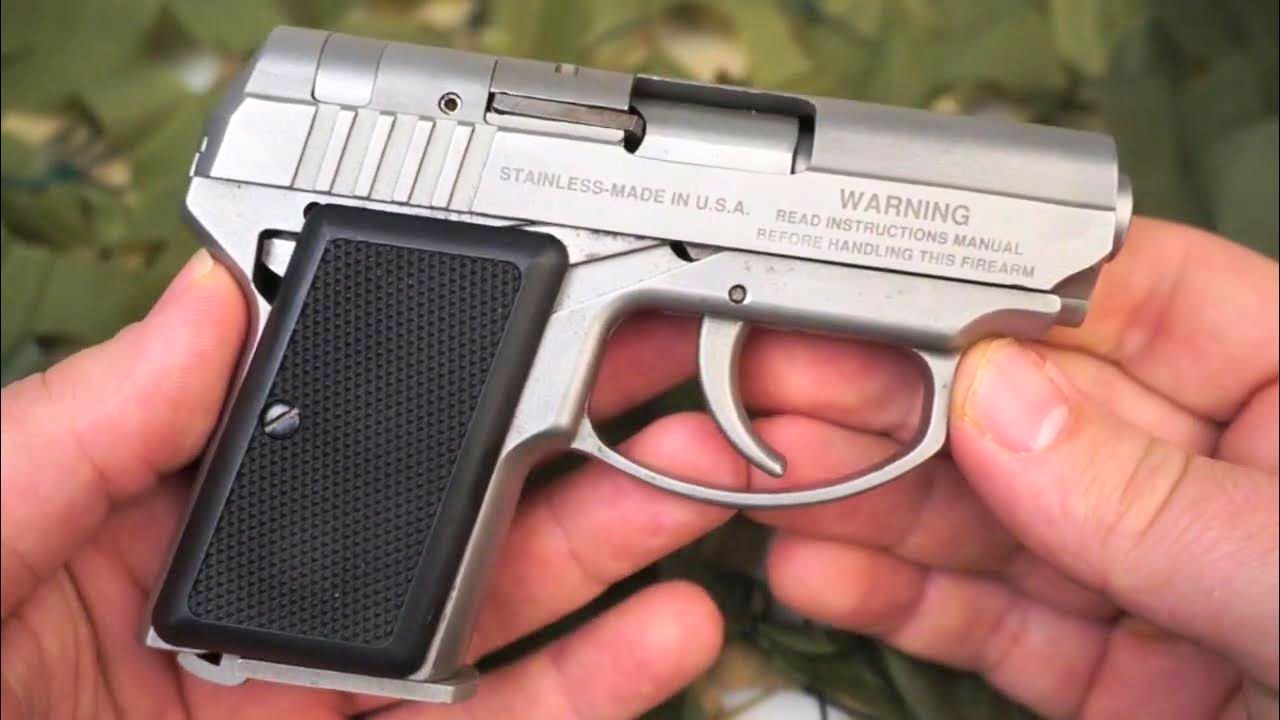
AMT Backup (.380 and 9mm)
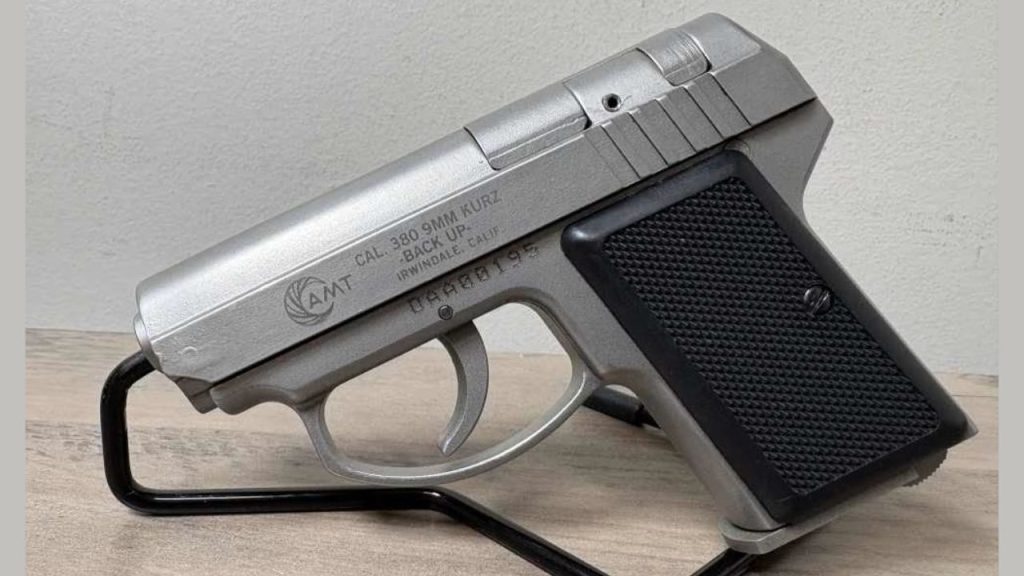
The AMT Backup carried well due to its stainless-steel frame and small size, but firing it created a different story. The heavy double-action trigger made accurate shooting difficult, and the sharp recoil in such a small package discouraged extended practice. Many shooters found the pistol uncomfortable after just a few magazines.
The slide could also be stubborn to manipulate, especially for those with weaker grip strength. With limited sights and stiff controls, the gun didn’t offer much confidence for everyday carry. While some appreciated the durability, the shooting experience kept it from ever gaining a committed fanbase.
Star Model Firestar M43
The Star Firestar M43 felt solid and had a compact, all-steel profile that appealed to many shooters. But its heavy weight relative to its size made it uncomfortable for daily carry, and the recoil felt sharper than expected. The trigger pull was serviceable, yet not smooth enough to stand out.
Parts availability became an issue over time, especially after Star ceased operations. As components and magazines grew harder to find, long-term ownership lost appeal. While the Firestar had its strengths, the combination of weight, recoil, and dwindling support kept it from earning the loyal following it might have otherwise built.

Leo’s been tracking game and tuning gear since he could stand upright. He’s sharp, driven, and knows how to keep things running when conditions turn.