The right calibers for coyotes, bobcats, and foxes
Predator hunting sits in a narrow lane between precision and restraint. You need enough bullet to anchor an animal cleanly, but not so much that you turn hides into rags or create ricochet risks across open country. Coyotes, bobcats, and foxes all bring different challenges, and the cartridge that works perfectly for one can be a poor fit for another. Range, terrain, wind, and fur damage all matter more here than raw horsepower. The right caliber lets you place shots confidently, recover animals quickly, and keep pelts intact when that matters. These cartridges have earned their place through field use, not internet chatter, and they continue to show up in the hands of hunters who spend real time calling predators.
.22 Long Rifle

The .22 LR still has a place in predator hunting, but it requires discipline and realistic expectations. At close range, with careful shot placement, it can work on foxes and bobcats. It’s quiet, inexpensive, and easy to shoot well, which matters when you’re taking precise shots inside 50 yards.
Where it falls short is margin for error. Coyotes are a stretch unless conditions are perfect and distance is short. Wind, angle, or movement quickly complicate things. This is a cartridge for controlled setups, stationary animals, and hunters who know when not to pull the trigger. Used responsibly, it does its job without excess damage.
.22 Magnum (.22 WMR)
The .22 Magnum bridges the gap between rimfire convenience and centerfire performance. It offers more reach and energy than .22 LR while remaining fur-friendly, especially with proper bullet selection. Foxes and bobcats are well within its comfort zone, and it handles smaller coyotes at modest distances.
Accuracy is solid out to 125 yards, and recoil is nonexistent. Shot placement still matters, but you gain breathing room compared to .22 LR. In thick cover or tight calling setups, the .22 Magnum shines. It’s a practical choice when noise, recoil, and pelt condition carry equal weight in your decision-making.
.17 HMR
The .17 HMR is fast, flat, and unforgiving in the wind. On foxes and bobcats, it delivers clean results with minimal hide damage when shots stay inside reasonable distances. Its accuracy makes it appealing for hunters who value precision over power.
Coyotes are where restraint becomes important. Broadside shots inside 100 yards can work, but penetration drops quickly with angle or bone. Wind drift is also a real factor in open country. The .17 HMR rewards patience and careful conditions. When used correctly, it’s effective, but it demands respect and honest range limits.
.204 Ruger
The .204 Ruger earns its reputation as a high-speed predator round. It shoots flat, bucks wind better than smaller calibers, and delivers enough energy for coyotes at longer ranges. With the right bullet, fur damage can be manageable, though exits are common.
Bobcats and foxes require more thought. Shots need to be well-placed, and bullet choice becomes critical. The cartridge excels in open country where distance matters and follow-up shots need to be fast. If coyotes are your primary target and longer shots are routine, the .204 Ruger fits naturally into that role.
.223 Remington
The .223 Remington is the most common predator cartridge for good reason. It’s accurate, widely available, and flexible across all three species. With proper bullets, it handles foxes and bobcats cleanly while still anchoring coyotes reliably past 300 yards.
Recoil is light, follow-up shots are fast, and rifle options are endless. The key is bullet selection. Lightweight varmint bullets reduce overpenetration, while controlled-expansion options offer better performance on coyotes. This cartridge works in nearly every predator scenario, which explains why it remains a staple across the country.
.222 Remington
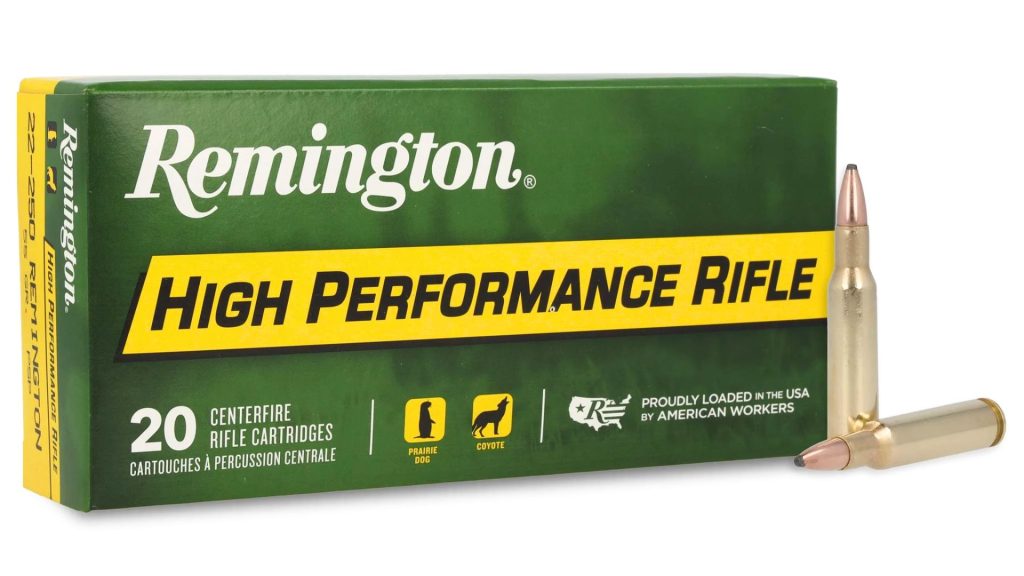
The .222 Remington may not get the attention it once did, but it remains an excellent predator cartridge. Known for accuracy and mild manners, it performs similarly to the .223 with slightly less velocity and noise. Coyotes drop cleanly, and fur damage stays reasonable.
It shines in bolt-action rifles where precision matters more than magazine capacity. For foxes and bobcats, it offers better control than larger calibers while still providing reliable penetration. Ammunition availability can be limited compared to .223, but in the field, the cartridge delivers predictable, consistent results.
.221 Fireball
The .221 Fireball occupies a narrow but useful space in predator hunting. It offers less noise and recoil than .223 while maintaining enough velocity for coyotes at moderate distances. Accuracy is excellent, and fur damage is often minimal with proper bullets.
This cartridge works best in controlled environments where shots stay inside 250 yards. It’s well-suited for bobcats and foxes, and it handles coyotes without unnecessary excess. Reloaders appreciate its efficiency, and hunters who value precision over speed find it a practical, understated option.
.22-250 Remington
The .22-250 Remington brings speed and reach that few predator cartridges match. Coyotes at long distances are firmly within its wheelhouse, even in windy conditions. Flat trajectories make range estimation more forgiving.
The downside is fur damage, especially on foxes and bobcats. Bullet choice can reduce the issue, but exits are common. This cartridge suits wide-open terrain where coyotes dominate the target list. If fur value is secondary to anchoring animals quickly and decisively, the .22-250 earns its reputation through consistent field performance.
.243 Winchester
The .243 Winchester steps into predator hunting as a crossover cartridge. It’s more than enough for coyotes at any distance and handles wind exceptionally well. Accuracy is excellent, and shot placement is forgiving.
For foxes and bobcats, it’s often too much. Hide damage is significant, and restraint becomes critical. This cartridge fits hunters who split time between predators and deer, or those hunting large western coyotes in open terrain. It delivers authority, but it demands thoughtful bullet selection and realistic expectations about fur condition.
.17 Remington
The .17 Remington offers speed and precision with surprisingly good performance on coyotes. It shoots flatter than most expect and delivers clean kills when shots are placed correctly. Fur damage can be minimal, especially compared to larger .22-caliber centerfires.
Wind sensitivity remains a concern, and bullet selection matters. Foxes and bobcats are well within its comfort zone. This cartridge rewards disciplined shooters who understand their environment. In skilled hands, it offers an effective balance of reach, accuracy, and restraint without unnecessary recoil or blast.
.224 Valkyrie

The .224 Valkyrie brings modern design to predator hunting. It excels at longer distances, maintaining velocity and resisting wind better than traditional .223 loads. Coyotes at extended ranges are handled confidently.
For closer work on foxes and bobcats, it requires careful bullet choice to limit damage. The cartridge fits hunters who already run AR-platform rifles and want improved performance at distance. While not necessary for most predator situations, it offers consistency and reach when longer shots are part of the plan.
.25-20 Winchester
The .25-20 Winchester is an old cartridge that still works within its limits. At close to moderate ranges, it handles foxes and bobcats cleanly and can take coyotes with proper shot placement. Recoil is mild, and noise is low.
Range is limited, and ammunition availability can be a challenge. This cartridge fits hunters who favor classic rifles and controlled distances. It requires patience and discipline but delivers predictable performance when used responsibly. In the right conditions, it remains effective despite its age.

Asher was raised in the woods and on the water, and it shows. He’s logged more hours behind a rifle and under a heavy pack than most men twice his age.