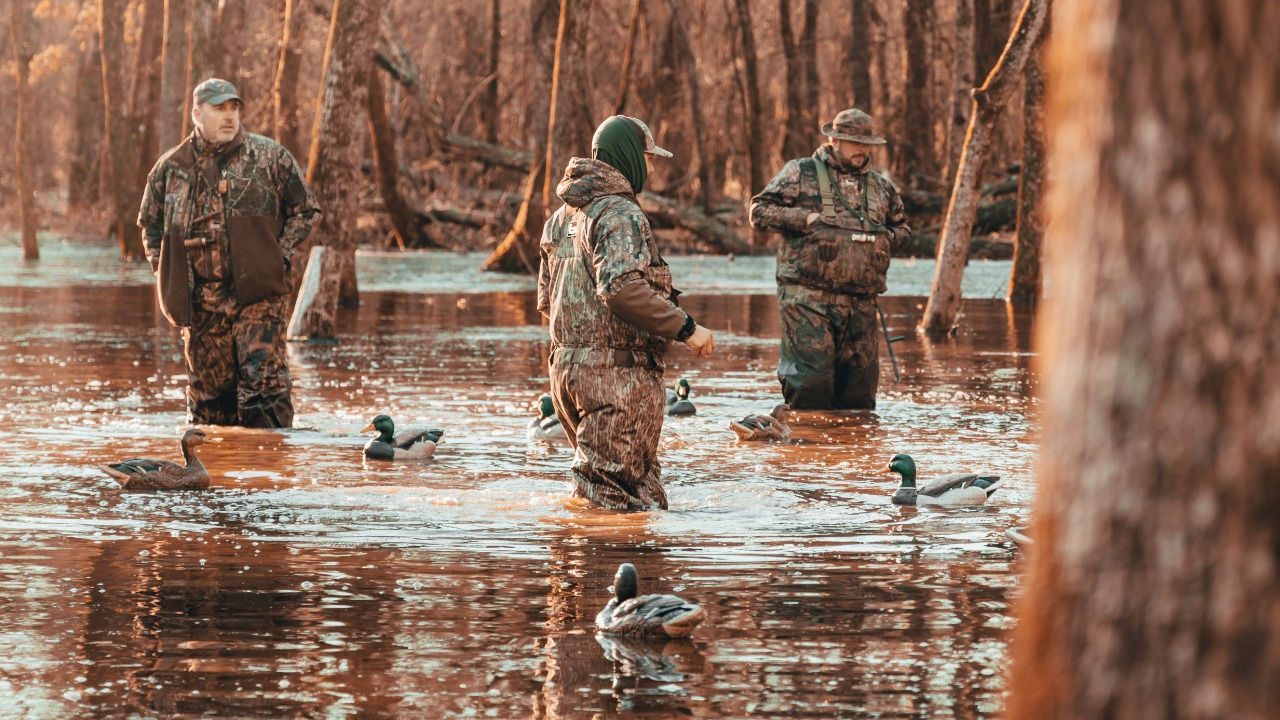
Waterfowl hunting: what works in tough conditions
Waterfowl hunting doesn’t wait for perfect weather. Blizzards, high winds, and freezing water can make even seasoned hunters think twice. Success in these conditions isn’t about luck—it’s about preparation, gear, and techniques that keep you effective when everything else is working against you. Choosing the right decoys, blinds, and ammunition, while adapting to wind, snow, or ice, separates a day in the field from a frustrating outing. Here are some proven strategies and tools that perform when conditions get harsh, keeping you on birds and in control no matter what Mother Nature throws at you.
Floating Blind Stability
Floating blinds are essential in deep water or flooded fields, but stability can make or break a hunt. In strong winds or currents, cheap or poorly weighted blinds can tip or drift, leaving you exposed and unable to shoot.
Choosing a blind with reinforced flotation and adjustable ballast ensures it sits level even when conditions worsen. Small modifications like sandbagging corners or adding tie-down points can drastically reduce movement. Stability allows for steady shooting, minimizes noise from sudden tilts, and keeps your decoy spread intact. In tough conditions, a floating blind isn’t just comfort—it’s your anchor to stay in the hunt.
Low-Profile Ground Blinds
When the wind is high, and snow or rain is driving, traditional blinds can stick out and scare approaching birds. Low-profile blinds reduce your silhouette and cut wind noise, keeping you hidden and comfortable.
Materials that shed water quickly and resist sagging under snow are key. Some models feature flexible rods and camo mesh that conforms to the environment, preventing unnatural shapes. Positioning matters too—sheltering your blind behind natural cover like reeds or banks amplifies effectiveness. A low-profile ground blind keeps you in the field longer and lets birds approach naturally, even when conditions are far from ideal.
Weighted Decoy Systems
Decoys are only as good as their placement, and in rough water or strong wind, unweighted decoys fail fast. Ducks and geese notice floating decoys that spin, tip, or drift, and they avoid them.
Using weighted stakes or anchors allows decoys to remain stable in current or waves. Chain systems or interlinked decoys can maintain realistic formations, which is crucial when weather disperses birds quickly. Even small adjustments—heavier weights near the lead decoy, lighter ones for the rest—can keep spreads intact. In tough conditions, a solid decoy setup signals confidence and realism to approaching birds.
Extreme Weather Apparel
Cold, wet, and windy hunts require more than standard clothing. Hypothermia and fatigue are real risks, and discomfort leads to mistakes in concealment and timing.
Layering with moisture-wicking base layers, insulated mid-layers, and waterproof outer shells is essential. Gloves that allow dexterity without freezing, and boots rated for wet conditions, keep you functional. Accessories like face masks or neck gaiters protect skin while maintaining visibility. Proper apparel doesn’t just keep you warm—it keeps you alert, steady, and ready when birds fly, turning harsh conditions into manageable challenges.
Specialized Ammunition
Tough weather often affects shot patterns and penetration. Cold temperatures can change powder burn rates, and wet pellets or frozen chokes impact effectiveness.
Using shells rated for low temperatures or higher-quality shot materials ensures consistent patterns. Steel, bismuth, or tungsten loads designed for waterfowl give predictable performance even in wet or freezing conditions. Some hunters carry a few specialty loads for particularly brutal days, switching to maintain lethality at extended ranges. The right ammo keeps your shot effective and reduces missed opportunities when birds are pressured.
Wind-Adjusted Calling
High winds change everything about calling. Loud or aggressive calls can carry too far or too erratically, scaring birds away instead of attracting them.
Subtle, low-volume techniques—short quacks or clipped feeds—often work better. Positioning yourself downwind and using terrain features to funnel sound can improve effectiveness. Some hunters partially cover the call with hands or terrain to prevent overprojecting. Adjusting cadence, volume, and timing in response to wind can mean the difference between a few hesitant approaches and birds committing fully to your spread.
Ice-Resistant Gear
In northern hunts, ice builds on decoys, blinds, and waders. Frozen equipment can make retrieval, shooting, or movement difficult.
Choosing materials that resist ice buildup—coated decoys, silicone-treated lines, and quick-drain waders—keeps gear functional. Brushing off ice on decoys and maintaining mobility prevents unnatural appearances or awkward posture. Even small preventative steps, like keeping gloves dry and hand warmers in key pockets, ensure that you can handle shots efficiently without fumbling. Ice-resistant gear maintains performance when conditions would normally slow or halt a hunt.
Portable Heat and Shelter
Extended waits in freezing rain or snow sap energy. A compact heat source, such as hand warmers or a small propane heater for safe, ventilated blinds, keeps you functional.
Shelters that block wind, snow, or spray prevent exhaustion and allow longer hunts. Heat management isn’t about comfort—it directly impacts your ability to hold a shotgun steadily and react quickly. Hunters who ignore extreme-weather preparation often fatigue, shiver, and miss shots, whereas those with portable heat remain steady, confident, and productive even when the day is brutal.
Field-Adjusted Decoy Placement
Rough conditions often displace decoys or obscure lines of sight. Quick field adjustments are essential to maintain realistic spreads.
Carrying extra anchors, ties, or folding decoys allows for on-the-fly corrections. Observing wind direction, current, and bird flight paths informs immediate repositioning. Hunters who adapt quickly maintain a spread that looks natural, increases landing confidence, and compensates for the environment. Skill in field adjustments prevents frustration and ensures that tough conditions don’t erase the work you put into your setup.
Optics With Anti-Fog Coatings
Cold and wet conditions often fog scopes or binocular lenses, reducing visibility at crucial moments. Hunters without fog-resistant optics lose precious seconds.
Investing in optics with anti-fog coatings or carrying lens wipes designed for extreme conditions preserves sight clarity. Keeping optics covered during setup, then exposing them only when necessary, reduces fogging. Clear optics improve shot timing and confidence, especially when birds appear quickly against snow or low light. Even experienced hunters can struggle when optics fog, making this simple adjustment essential for tough hunts.

Asher was raised in the woods and on the water, and it shows. He’s logged more hours behind a rifle and under a heavy pack than most men twice his age.