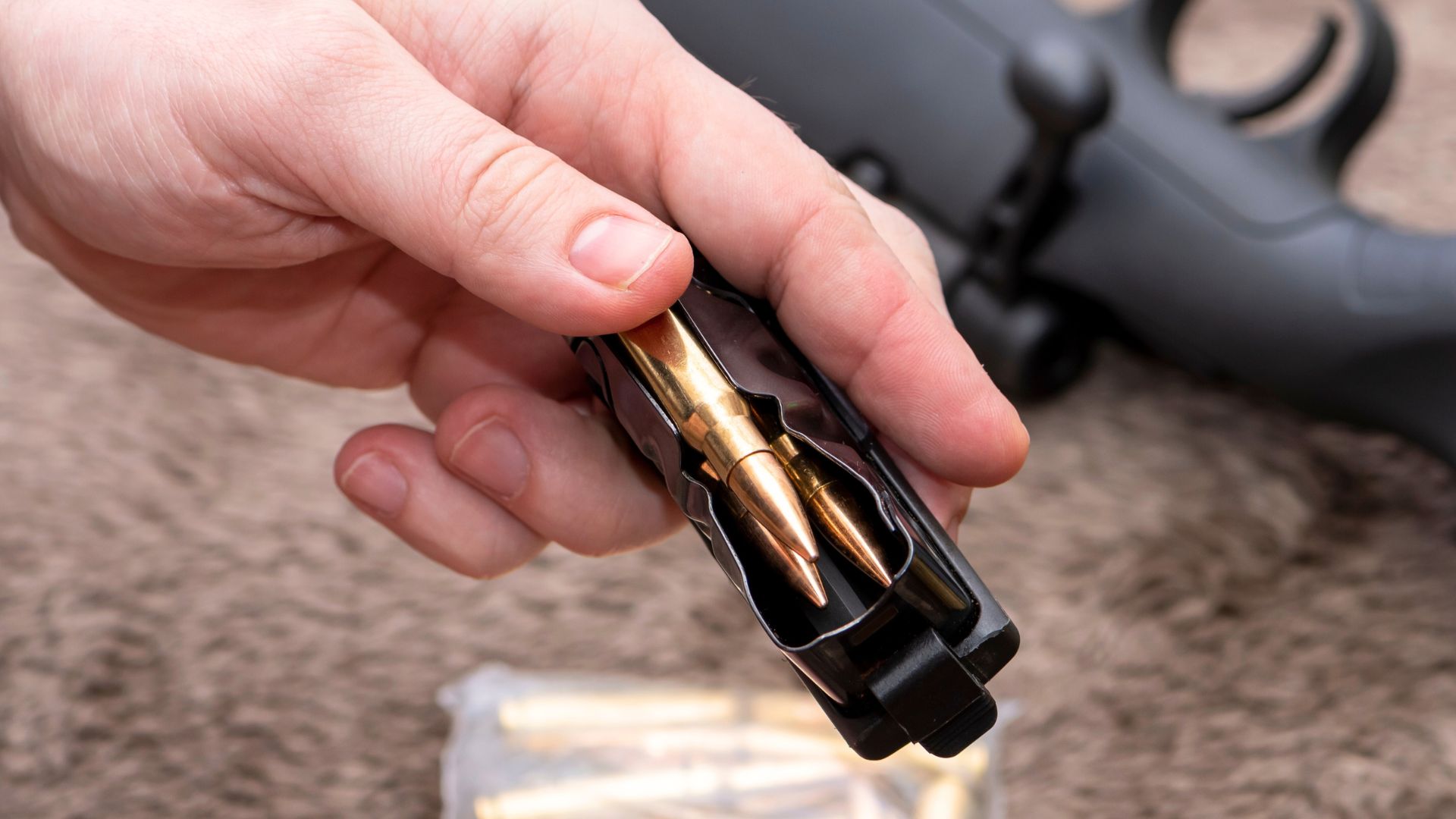
What calibers work well when ranges vary
Most real hunts don’t happen at tidy, predictable distances. One stand might give you a 60-yard shot in the timber, while the next opens into a cut where 300 yards is realistic. That’s where caliber choice starts to matter more than brand loyalty or tradition. You need something that holds together up close, flies well when the distance stretches, and doesn’t punish you when you practice. The calibers below earn their keep because they stay manageable across a wide range of shots. They don’t force you to guess, compensate wildly, or limit opportunities when the terrain changes. These are rounds that let you focus on reading the animal and the wind instead of second-guessing your rifle.
.308 Winchester
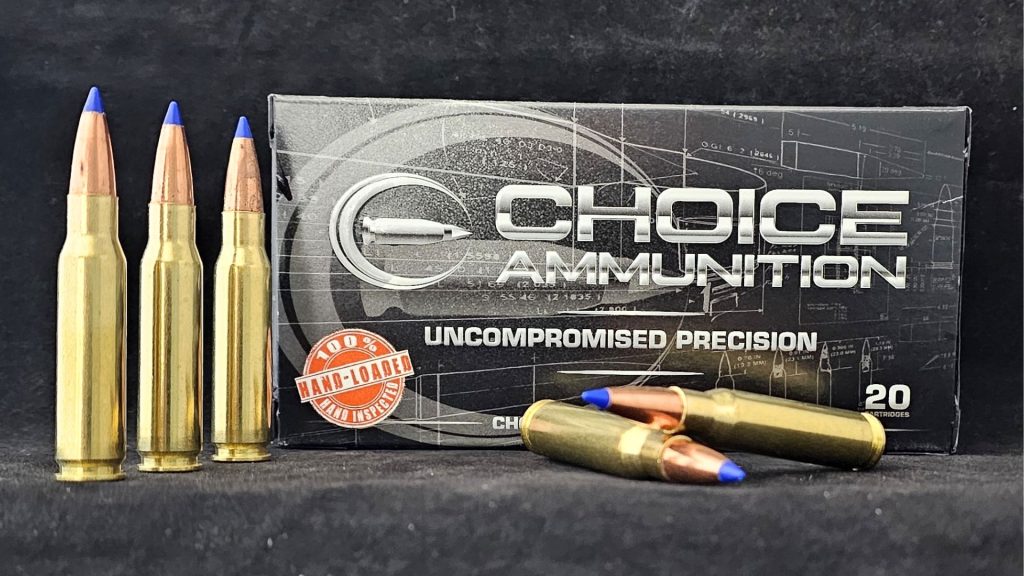
The .308 Winchester works because it doesn’t fall apart at either end of the distance scale. At closer ranges, it hits with enough authority to anchor deer, elk, and hogs without excessive meat loss when bullet selection is right.
Stretch it out past 300 yards and the cartridge still behaves predictably. Wind drift is manageable, drop is easy to learn, and factory ammo options are everywhere. You don’t need perfect conditions or specialty loads to make it work. The recoil stays reasonable, which matters when you’re shooting from odd field positions. When ranges change quickly, the .308 gives you confidence instead of forcing adjustments you don’t have time to make.
.270 Winchester
The .270 Winchester shines when your hunt moves between timber and open country. At shorter distances, lighter bullets still expand reliably without acting erratic.
When the range opens up, the .270’s flatter trajectory starts working in your favor. You’re not dialing aggressively or holding over like you would with slower rounds. Wind drift stays reasonable, especially with modern bullets, and recoil stays mild enough that you can spot your own shots. It’s not flashy, but it stays predictable. That matters when you don’t know whether your next shot will be inside 100 yards or well past 300.
6.5 Creedmoor
The 6.5 Creedmoor earned its reputation by being easy to shoot well across mixed distances. Up close, controlled-expansion bullets behave consistently without coming apart.
At longer ranges, the cartridge really settles in. High ballistic coefficients help reduce wind drift, and drop is gradual and repeatable. That consistency helps when you don’t have time to second-guess your dope. Recoil stays soft, which makes field shooting steadier, especially off packs or natural rests. It doesn’t overpower game, but with good bullet selection and disciplined shot placement, it stays effective across a wide range of realistic hunting distances.
.30-06 Springfield
The .30-06 Springfield remains relevant because it adapts so well. At close range, heavier bullets penetrate deeply without drama.
When you stretch things out, lighter bullets keep the trajectory reasonable and predictable. You won’t get the flattest flight path, but you also won’t get surprises. Ammo availability is unmatched, which means you can tailor loads to the hunt instead of forcing one setup to do everything. Recoil is noticeable but manageable for most shooters. When distances vary and conditions aren’t ideal, the .30-06 keeps doing what it’s done for generations.
7mm Remington Magnum
The 7mm Remington Magnum was built for hunts where distance changes fast. Inside 150 yards, modern bullets prevent overexpansion issues that older loads sometimes caused.
Once ranges stretch, this cartridge really earns its place. Flat trajectory and strong wind resistance reduce the margin for error. You’re holding less, dialing less, and trusting the bullet to arrive where it should. Recoil is sharper than mid-sized cartridges, but it stays controllable with proper rifle fit. If your hunting ground mixes ridgelines and basins, the 7mm Rem Mag keeps you covered without forcing compromises.
.243 Winchester
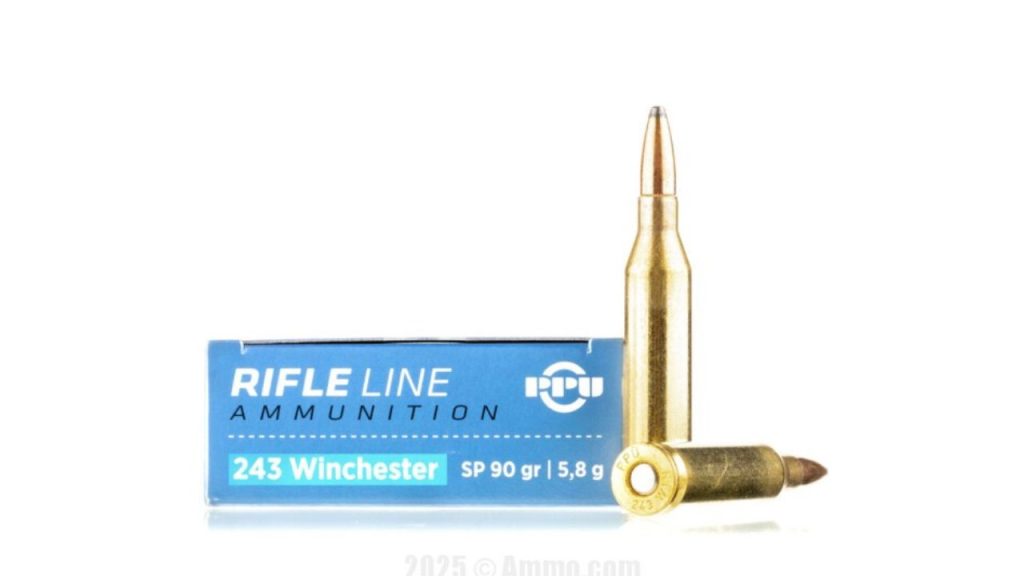
The .243 Winchester surprises people because it handles varied distances better than expected. At closer ranges, proper bullets still deliver clean kills without excessive damage.
At longer distances, the cartridge remains easy to shoot accurately. Drop and wind drift are predictable, and recoil is light enough to maintain good shooting form under pressure. It’s not ideal for the largest game, but within its limits, it performs consistently. For hunters who value precision and shootability when ranges fluctuate, the .243 stays dependable without demanding perfect conditions.
.280 Ackley Improved
The .280 Ackley Improved bridges the gap between traditional and modern performance. At closer distances, bullet performance stays controlled and effective.
As ranges stretch, the cartridge’s efficiency becomes obvious. Trajectory stays flat, wind drift stays manageable, and velocities remain consistent. It doesn’t hit you with harsh recoil, which helps maintain accuracy when shooting off uneven terrain. Ammo availability isn’t as widespread as classic rounds, but quality factory options are growing. When you want flexibility without stepping into extreme recoil or barrel wear, the .280 AI holds its ground.
.25-06 Remington
The .25-06 Remington works best when distances are unpredictable but terrain stays open. At closer ranges, careful bullet selection keeps expansion under control.
Where it shines is in medium to longer shots. Flat trajectory reduces guesswork, and recoil stays light enough for steady field shooting. Wind drift is reasonable for its speed, especially compared to heavier, slower cartridges. It’s not built for heavy bone or extreme angles, but within typical big-game distances, it stays effective. If your hunts involve glassing and moving, the .25-06 rewards careful shooters.
.300 Winchester Magnum
The .300 Winchester Magnum handles varied distances by sheer capability. At close range, premium bullets help prevent overpenetration and excessive damage.
When shots stretch past 300 yards, the cartridge remains stable and authoritative. Wind drift is manageable, and energy stays high even at longer distances. Recoil is stout, and that matters during practice, but experienced shooters appreciate the margin of error it provides. It’s not forgiving of poor fundamentals, but when ranges change fast and conditions are uncertain, the .300 Win Mag gives you room to work.
6mm Remington
The 6mm Remington often flies under the radar, but it works well when ranges vary. At closer distances, bullets expand reliably without erratic behavior.
As shots stretch, the cartridge maintains a flat trajectory and mild recoil. Wind drift is manageable, especially with modern bullets. Accuracy comes easily, which helps when shooting from field positions rather than benches. It’s not designed for heavy-bodied game, but within appropriate limits, it stays consistent. For hunters who prioritize precision and adaptability, the 6mm Remington deserves more attention than it gets.
.257 Weatherby Magnum
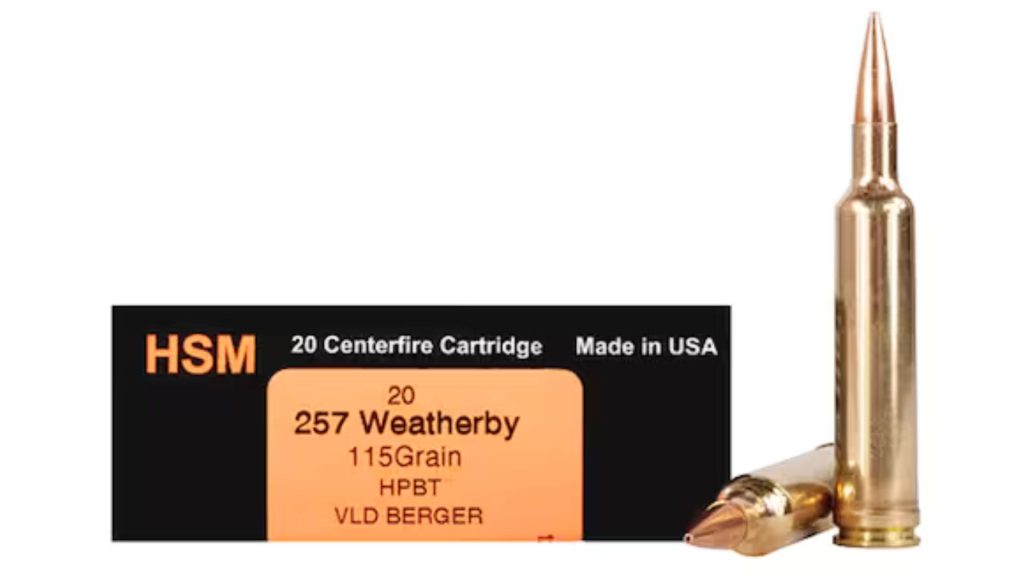
The .257 Weatherby Magnum thrives when distance changes fast and terrain stays open. Up close, bullet choice becomes important to avoid excessive damage.
Once ranges increase, the cartridge’s speed flattens trajectories and reduces holdover. Wind drift stays manageable, and accuracy remains strong at distance. Recoil is noticeable but not overwhelming, especially in well-balanced rifles. It’s not ideal for dense cover or short-range work, but when your hunt includes long sightlines and unpredictable distances, the .257 Weatherby keeps shots straightforward.
.338 Federal
The .338 Federal handles varying ranges by leaning on efficiency rather than speed. At close distances, it delivers deep penetration without punishing recoil.
As ranges stretch to realistic limits, trajectory remains manageable, and accuracy stays consistent. You’re not pushing extreme distances, but you’re also not handicapped when shots reach past 200 yards. Recoil stays reasonable, and rifles chambered for it are often compact and well-balanced. For mixed terrain where shots vary but don’t get extreme, the .338 Federal offers steady performance without unnecessary complexity.
These calibers work because they don’t force you into one style of hunting. When distances shift and conditions change, they stay predictable, controllable, and effective—exactly what you want when the shot window is short and the terrain isn’t cooperating.

Asher was raised in the woods and on the water, and it shows. He’s logged more hours behind a rifle and under a heavy pack than most men twice his age.