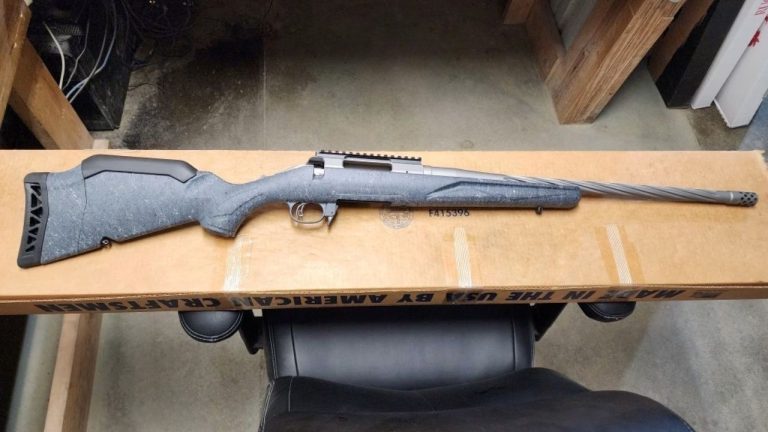
The best calibers for controlling pests without excess damage
When you’re dealing with pests around a farm, ranch, or rural property, power isn’t the goal. Control is. You want a cartridge that’s accurate, predictable, and effective without tearing things up beyond what’s necessary. Overpowered rounds destroy meat, damage structures, and raise safety concerns. Underpowered rounds create wounded animals and follow-up shots you shouldn’t need. The right caliber sits in the middle, giving you clean results, manageable noise, and precision that rewards good shooting. These are cartridges that experienced shooters lean on when the job needs to be handled responsibly, efficiently, and without turning pest control into overkill.
.22 Long Rifle

The .22 LR has been handling pest duty longer than most cartridges have existed. Its low velocity and light bullet weight make it predictable at close ranges, which matters when barns, fences, and equipment are nearby. You can place shots carefully without worrying about excessive penetration or destruction.
Accuracy is the real strength here. With a decent rifle or handgun, you can take small pests cleanly without mangling them or damaging the surrounding area. Ammunition is widely available, subsonic options reduce noise, and recoil is nearly nonexistent. For routine pest work where precision matters more than power, the .22 LR still earns its keep.
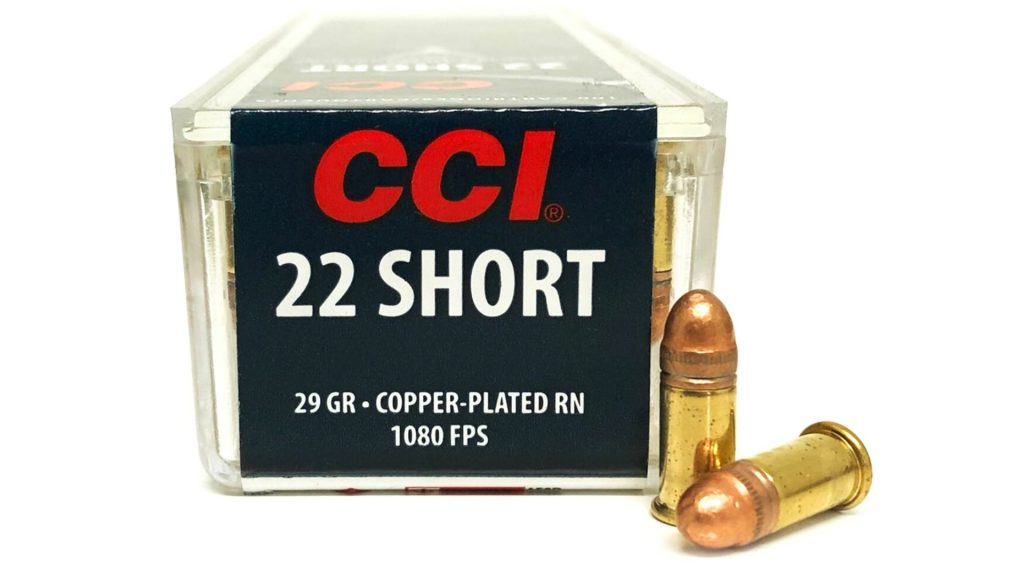
.22 Short
The .22 Short doesn’t get much attention anymore, but it still fills a narrow role. Its reduced velocity limits penetration, which can be useful in tight spaces like barns or sheds. When distances are short and shot placement is solid, it handles small pests with minimal disruption.
You won’t stretch the range with this cartridge, and accuracy drops off quickly beyond close distances. That’s the tradeoff. Still, for controlled environments where safety and reduced damage matter more than versatility, the .22 Short remains a practical option. It’s quiet, mild, and effective when used within its limits.
.22 WMR (.22 Magnum)
The .22 Magnum steps things up without crossing into excess. It offers more reach and flatter trajectory than the .22 LR while still keeping damage under control. For pests that hang up farther out, this cartridge gives you confidence without requiring heavy bullets or extreme velocity.
You’ll notice better wind resistance and cleaner hits at distance. While it hits harder, careful shot placement prevents unnecessary destruction. The .22 WMR works well in open fields where pests don’t always cooperate by staying close. It’s a solid choice when you need extra range but still want restraint.
.17 HMR
The .17 HMR is built for precision. Its lightweight bullet and high velocity deliver flat trajectories and impressive accuracy, especially at longer ranges. For small pests in open areas, it allows clean hits without the guesswork of holdover.
That speed comes with responsibility. The bullet can fragment aggressively, so target selection and backstops matter. When used properly, though, it offers fast, humane results with limited collateral damage. Shooters who value precision over raw power often favor the .17 HMR for pests that won’t let you get close.
.17 Mach 2
The .17 Mach 2 sits between the .22 LR and .17 HMR in performance. It offers flatter shooting than a standard .22 while keeping energy levels reasonable. That balance makes it useful for pest control where accuracy matters but excess force doesn’t.
Its lighter recoil and mild report help maintain control during repeated shots. Ammunition availability isn’t as strong as other rimfires, but when you find it, the cartridge performs well within its effective range. It’s a niche option, but one that rewards careful shooters.
.22 CB and .22 BB Caps
These low-powered rimfire options are designed for close-range work. Velocity is limited, noise is minimal, and penetration stays shallow. In controlled environments, they allow precise pest control without disturbing livestock or damaging structures.
Accuracy depends heavily on the firearm and distance, but within their range they perform as intended. These cartridges demand discipline and shot placement, but that’s part of their appeal. When discretion and safety matter more than reach, CB and BB caps quietly get the job done.
.25 ACP
While not commonly thought of for pest control, the .25 ACP offers mild recoil and limited penetration. In appropriate firearms, it provides controlled energy suitable for very small pests at close range.
Its real limitation is accuracy compared to rimfire options, and ammunition cost can be higher. Still, in situations where rimfire isn’t available or practical, the .25 ACP can serve in a narrow role. Shot placement remains critical, and expectations should stay realistic.
.32 ACP
The .32 ACP delivers modest energy without excessive penetration when compared to larger handgun calibers. For experienced shooters, it offers manageable recoil and predictable performance.
Used responsibly, it can control small pests without excessive damage. However, it requires careful attention to distance and backstop. It’s not a primary pest cartridge for most shooters, but it remains an option where control and restraint are priorities.
.22 Hornet
The .22 Hornet bridges the gap between rimfire and centerfire. It provides excellent accuracy and enough energy for pests at extended distances while avoiding the destructive effects of faster centerfire rounds.
Velocity is moderate, and bullet selection allows you to tailor performance. When shots are longer and conditions demand precision, the Hornet delivers consistent results. It’s a thoughtful choice for open land where rimfire falls short but restraint still matters.
.204 Ruger (Reduced Loads)
With reduced or lighter loads, the .204 Ruger can be controlled enough for pest work in open environments. Its flat trajectory makes accuracy easier at distance, though discipline is required.
This cartridge isn’t forgiving if misused. When handled with restraint and proper bullet selection, it offers precision without unnecessary damage. It’s best suited for experienced shooters who understand its limitations and potential.
.218 Bee
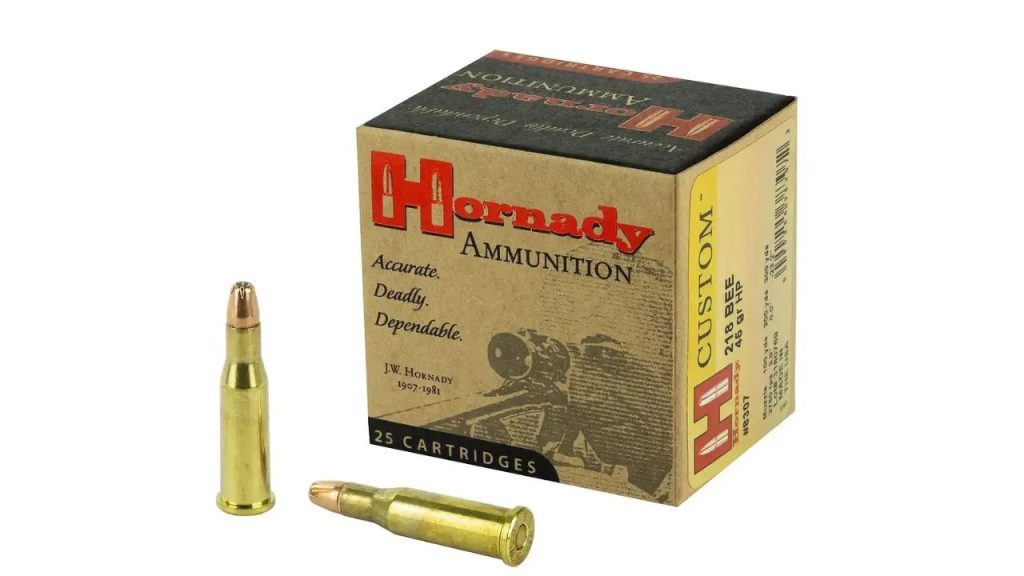
The .218 Bee is often overlooked, but it offers moderate velocity and excellent accuracy. It’s effective on small pests without the excessive destruction seen in larger varmint cartridges.
Its availability is limited, but those who use it appreciate its balance. The Bee allows careful shot placement and predictable results, making it a smart option for open areas where precision and control matter equally.
.22 LR Subsonic
Subsonic .22 LR loads deserve special mention. By staying below the sound barrier, they reduce noise while maintaining reliable accuracy. Penetration is controlled, making them useful near structures.
They require careful zeroing, but once dialed in, they perform consistently. For shooters focused on discretion and minimal disturbance, subsonic .22 LR rounds remain one of the most practical pest-control tools available.
These calibers don’t rely on brute force. They reward patience, accuracy, and experience—the same traits that define responsible shooters who know that control always beats excess.

Asher was raised in the woods and on the water, and it shows. He’s logged more hours behind a rifle and under a heavy pack than most men twice his age.