Calibers that don’t match modern bullet design
Modern bullet design has moved fast. Bonded cores, controlled expansion, skives, and barrier-blind projectiles have changed what shooters can reasonably expect from defensive and hunting ammunition. The problem is that not every caliber has kept up. Some cartridges were designed around bullet technology that no longer lines up with how we shoot, what we expect terminally, or how platforms are built today.
That mismatch doesn’t make these calibers useless. It does explain why arguments never stop. Velocity windows, twist rates, case capacity, and legacy assumptions all matter. When modern bullets are forced into old design constraints, performance gaps show up. These are calibers where the cartridge and the bullet are no longer fully in sync.
40 S&W
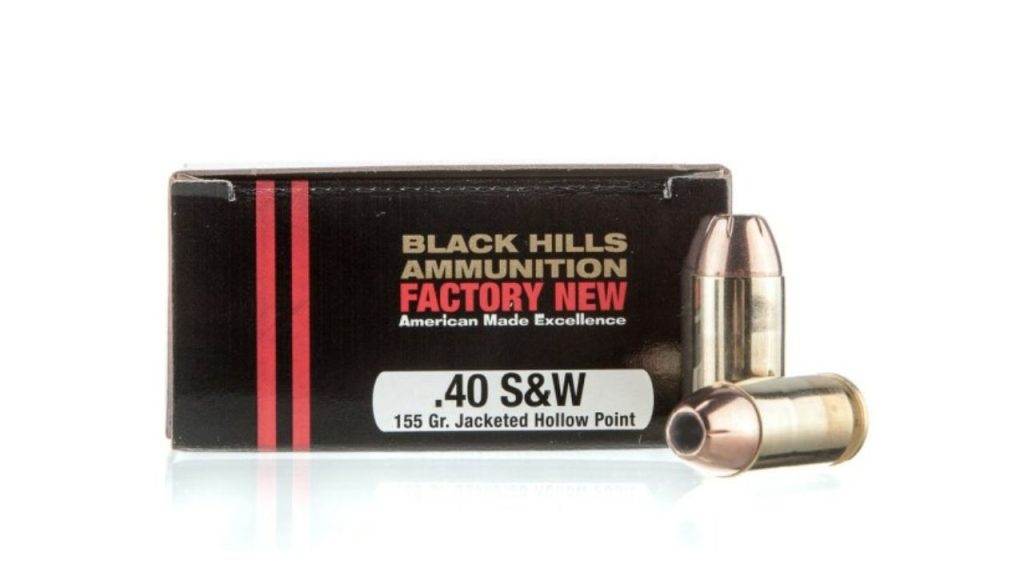
The .40 S&W was built around late-1990s bullet construction. At the time, heavier bullets moving faster seemed like the answer. Modern bullet design has made that original logic less relevant. Today’s 9mm loads expand reliably at lower velocities and penetrate consistently through barriers, something early .40 bullets struggled with.
The .40 still works, but it operates in an awkward pressure window. Modern bonded bullets don’t gain much advantage from its extra velocity, while recoil and wear remain higher. You end up paying a handling penalty without gaining meaningful terminal performance. The cartridge hasn’t failed. Bullet design has simply made its original purpose harder to justify.
45 ACP
The .45 ACP was designed around large, slow bullets that didn’t expand much. That made sense when bullet construction was basic. Modern hollow points changed the equation. Smaller calibers now expand just as reliably while offering higher capacity and easier control.
Modern .45 bullets often have to be engineered around limited velocity. Expansion works, but margins are tight through clothing or intermediate barriers. The cartridge still relies on bullet diameter rather than modern expansion efficiency. That doesn’t make it ineffective, but it does mean bullet design is compensating for an old velocity envelope rather than fully exploiting modern materials and geometry.
380 ACP
The .380 ACP highlights the limits of modern bullet design more than almost any other caliber. Engineers have squeezed impressive performance from it, but physics still wins. Expansion often comes at the cost of penetration, and penetration often kills expansion.
Modern bullets help, but they can’t create velocity that isn’t there. Designers are forced to choose compromises rather than solutions. That’s why recommendations vary wildly. The caliber sits right at the edge of what modern bullet design can realistically overcome. It works best when expectations are kept narrow and realistic.
10mm Auto
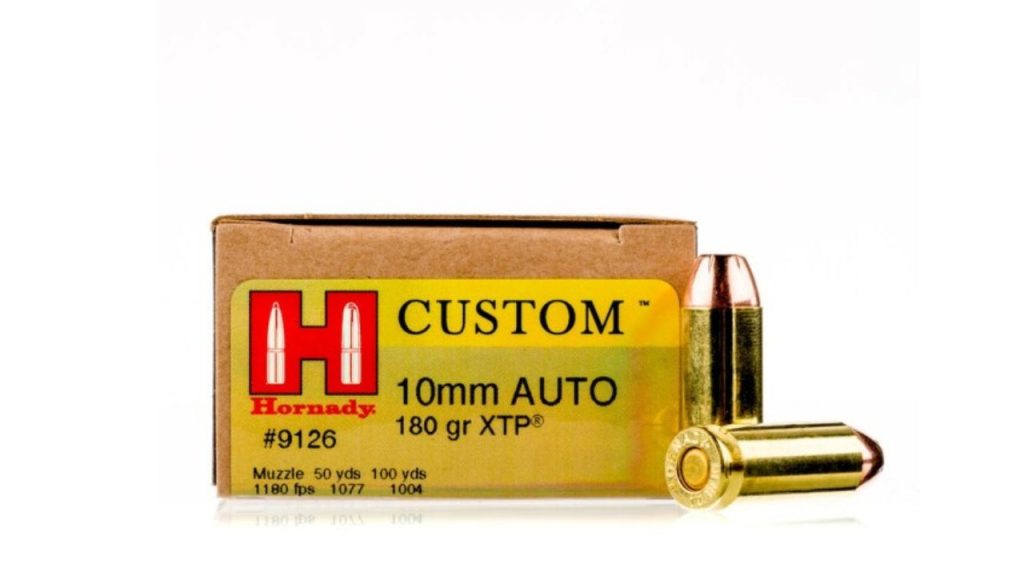
The 10mm Auto has the opposite problem. It offers more velocity and energy than many modern handgun bullets are designed to handle. Some projectiles expand too aggressively or fragment when pushed hard.
Bullet makers often tune loads down to keep expansion predictable, which undercuts the cartridge’s original advantage. Full-power loads require careful bullet selection, and not every design holds together well. Modern bullet technology helps, but many handgun bullets are still optimized for 9mm speeds. The 10mm exposes the limits of those designs rather than benefiting from them.
357 Magnum
The .357 Magnum was built around high velocity and hard-hitting performance from revolvers. Modern bullets have improved consistency, but many designs still assume short barrels and lower speeds.
Out of longer barrels, expansion can be violent and penetration unpredictable. Designers are often forced to soften bullets to avoid over-expansion, which reduces the caliber’s traditional strengths. Revolver constraints also limit bullet length and shape. The cartridge still performs well, but modern bullet design often feels like it’s working around the platform instead of fully leveraging it.
5.56 NATO
The 5.56 NATO was originally tied closely to fragmentation at specific velocities. Modern bullet design has moved beyond that, focusing on controlled expansion and barrier performance.
The mismatch appears when older twist rates, barrel lengths, and legacy loads meet newer bullets. Some projectiles perform beautifully, others struggle to expand at lower velocities. The caliber itself isn’t the issue. The wide range of rifles and conditions makes bullet optimization harder than many assume. Modern bullets help, but they can’t erase every design compromise baked into the system.
7.62×39
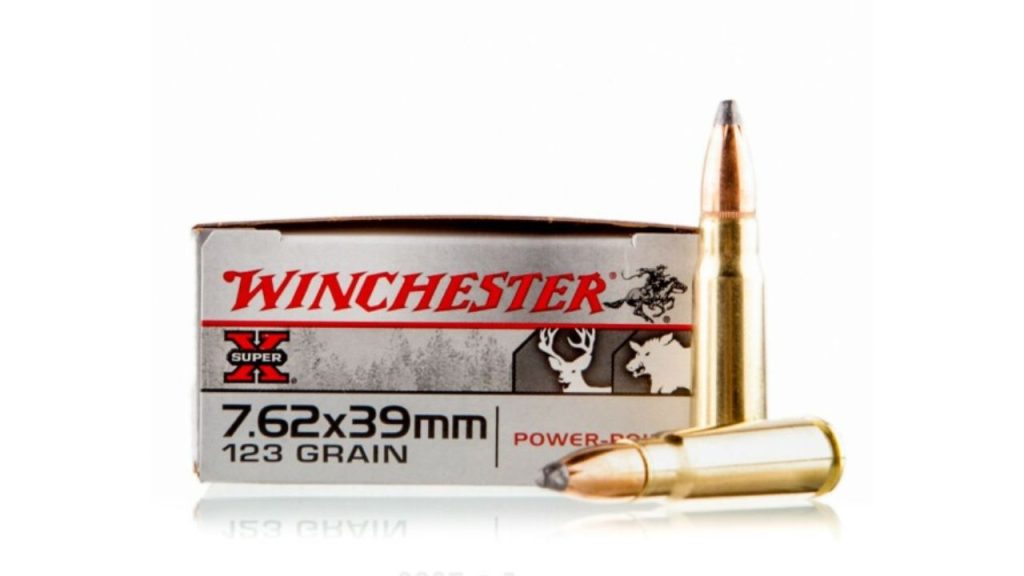
The 7.62×39 was never designed with modern terminal performance in mind. Bullet construction was originally simple and military-focused. Modern soft points and expanding bullets exist, but velocity limits restrict what designers can do.
Expansion tends to be inconsistent, especially at distance. Bullet length is constrained by magazine geometry, limiting modern profiles. Some modern designs work well, but the cartridge still lives in a narrow performance window. Bullet technology improves it, but the platform and pressure limits keep it from fully catching up.
38 Special
The .38 Special survives largely because of revolvers and shootability, not because modern bullets unlocked new potential. Expansion depends heavily on barrel length and load selection.
Bullet designers have made progress, especially with lighter loads, but velocity remains the limiting factor. Many modern bullets simply can’t expand reliably at .38 speeds without sacrificing penetration. As a result, designs often feel like careful compromises rather than confident solutions. The caliber still works within its lane, but modern bullet design can only stretch that lane so far.
Calibers don’t become obsolete overnight. They fall out of alignment slowly, as bullet design moves forward and physics stays put.

Leo’s been tracking game and tuning gear since he could stand upright. He’s sharp, driven, and knows how to keep things running when conditions turn.