Guns that hold their value over time
Some guns depreciate the moment you leave the shop. Others seem to ignore time altogether. They get used, carried, and shot, yet years later they’re still worth close to what you paid. Sometimes more. That kind of value retention isn’t about rarity alone. It comes from reputation, durability, and demand that doesn’t fade when trends move on.
Guns that hold their value tend to share a few traits. Proven designs. Strong manufacturer support. A track record that makes buyers comfortable paying real money even decades later. These aren’t safe queens by default. They’re guns people actually want, year after year.
Glock 19
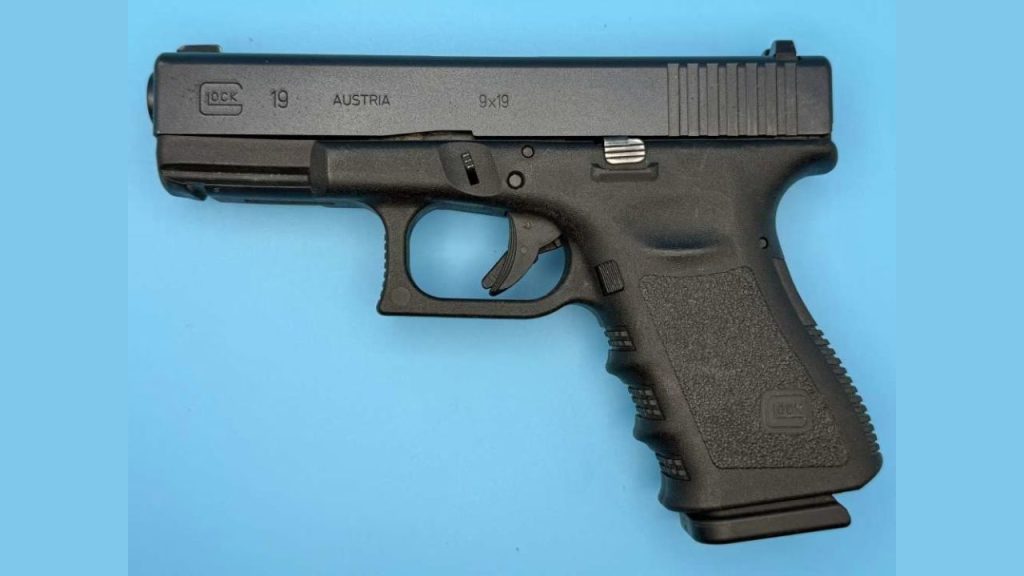
The Glock 19 might be one of the most stable firearms on the resale market. It doesn’t matter if it’s a decade old or brand new. Demand stays constant.
Part of that comes from reliability, but availability matters just as much. Parts are everywhere. Magazines are cheap. The design hasn’t changed radically, so older models don’t feel obsolete. Used Glocks sell quickly because buyers know exactly what they’re getting. That predictability keeps prices steady in a way few modern pistols manage.
Colt Python
Few guns demonstrate value retention like the Colt Python. Even during years when revolvers fell out of favor, Pythons kept climbing.
Craftsmanship, limited production periods, and reputation all play a role. Older examples rarely lose value, even with honest wear. New-production Pythons have followed the same pattern, holding prices better than most modern revolvers. Buyers aren’t just paying for a gun. They’re buying into a legacy that continues to matter.
Remington 700
The Remington 700 holds value because it’s a known quantity. The action is widely used, supported, and trusted across hunting and precision circles.
Even basic models retain resale appeal because the platform is endlessly adaptable. Triggers, stocks, barrels, and accessories keep older rifles relevant. Buyers see potential rather than obsolescence. That long-term usefulness keeps prices from collapsing, especially for clean examples in common calibers.
Winchester Model 70

The Model 70 has been holding value for generations. Controlled-round feed models in particular remain in steady demand.
Older rifles rarely get discounted heavily, especially pre-64 or well-kept later versions. Hunters trust them, collectors respect them, and that overlap keeps the market strong. Even rifles that show field use still command fair prices. The Model 70 doesn’t depend on novelty to stay relevant. That’s why its value stays anchored.
Smith & Wesson Model 686
The 686 sits in a sweet spot between collectability and usability. It’s not rare, but it’s respected.
Stainless construction ages well, and demand stays strong among shooters who want a durable revolver they can actually use. Prices don’t spike wildly, but they also don’t fall apart. That stability is what long-term value really looks like. A clean 686 today will likely be worth similar money years from now.
AKM-pattern rifle
AK values fluctuate with politics and imports, but quality AKs tend to rebound and hold. Well-built examples rarely stay cheap for long.
Scarcity cycles matter here. When imports slow or stop, prices climb. When supply returns, values stabilize rather than collapse. Buyers understand the difference between good AKs and disposable ones. That knowledge keeps demand focused and resale strong for the right rifles.
Ruger No.1
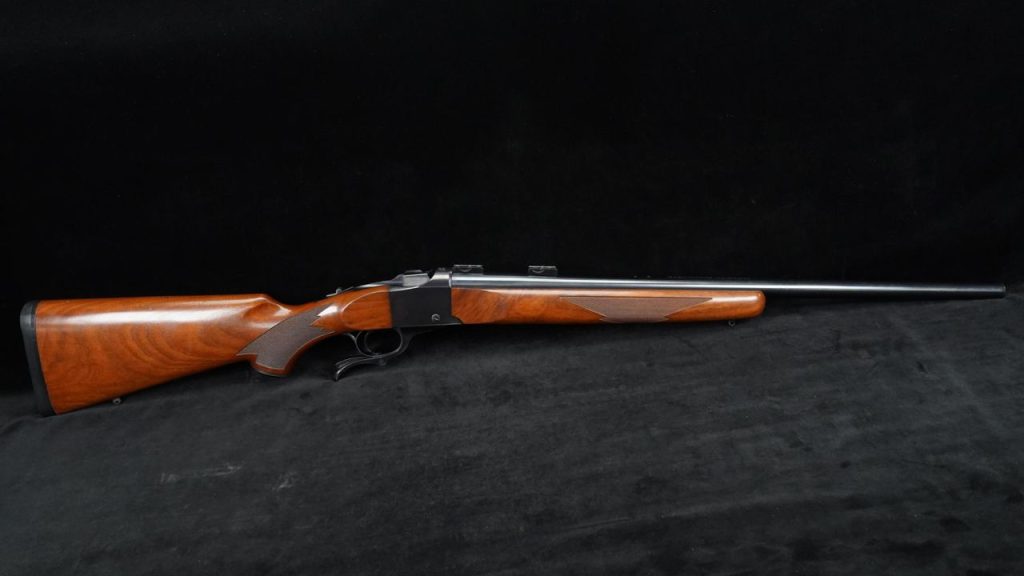
The Ruger No.1 isn’t for everyone, but the people who want one really want one. That niche demand keeps prices steady.
Production runs come and go, which adds scarcity to certain calibers and configurations. Build quality remains consistent across decades. Even older rifles feel relevant because nothing about the design dates badly. That timelessness translates directly into retained value.
Benelli M2
The Benelli M2 holds value because performance doesn’t age out. Inertia-driven operation stays reliable, and the design hasn’t been replaced by something clearly better.
Hunters and competitive shooters both want them, which broadens demand. Used examples sell quickly, often for strong prices. Benelli’s reputation helps, but consistent performance is what really anchors value. People trust what they already know works.
CZ 75
The CZ 75 quietly holds value because its reputation keeps growing rather than fading. Shooters who discover them tend to keep them, which limits used supply.
Steel construction, shootability, and long-term durability keep demand healthy. Prices don’t skyrocket, but they remain stable. That’s often a better sign of real value than hype-driven spikes. The CZ 75 feels like a safe place to park money in a handgun.
Henry Big Boy
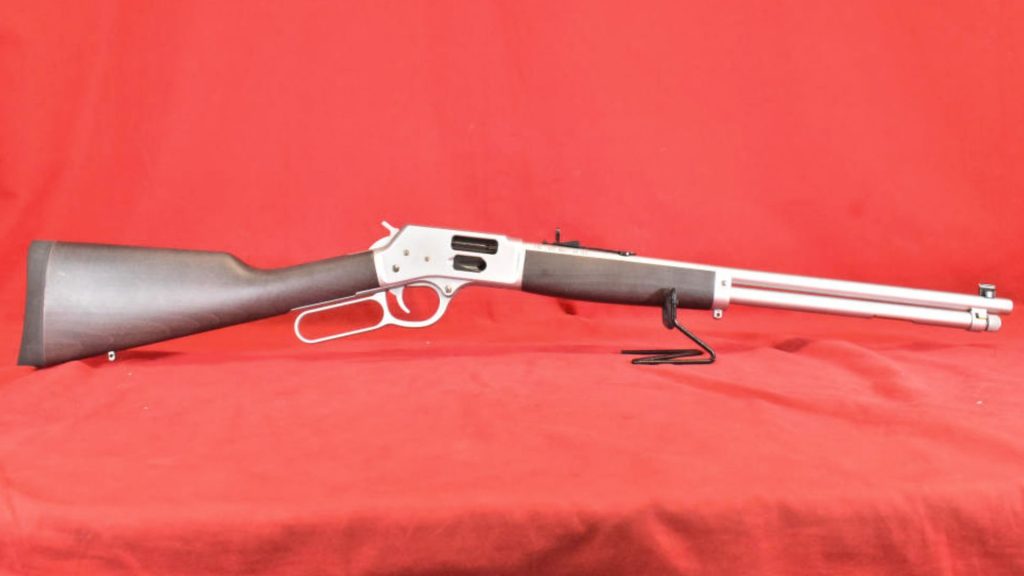
Lever guns rarely crash in value, and the Henry Big Boy is a prime example. Demand stays strong across generations of shooters.
Build quality, American manufacturing, and broad caliber options keep resale interest high. Even well-used rifles retain respectable prices. As long as people keep hunting in thick cover and valuing traditional designs, the Big Boy’s value stays intact.
Guns that hold their value over time aren’t accidents. They earn it through reliability, reputation, and a steady market that doesn’t disappear when trends change. If a firearm is still wanted long after the excitement fades, that’s usually the best indicator of lasting value.

Leo’s been tracking game and tuning gear since he could stand upright. He’s sharp, driven, and knows how to keep things running when conditions turn.