Knives that sacrifice durability for looks
Good-looking knives sell fast. Polished finishes, dramatic grinds, wild handle materials. They photograph well and feel impressive when you first pick them up. The problem is that durability doesn’t live in photos. It shows up after hard cuts, twisting pressure, dirt, moisture, and repeated sharpening. That’s where some knives quietly fall apart.
There’s nothing wrong with liking a knife that looks good. Trouble starts when looks come first and function gets trimmed back. Thin grinds chip, decorative steels roll, and fancy handles crack or loosen. These are knives that prioritize visual appeal over long-term toughness. They aren’t useless. They’re just not built for sustained, hard use.
Benchmade Bugout
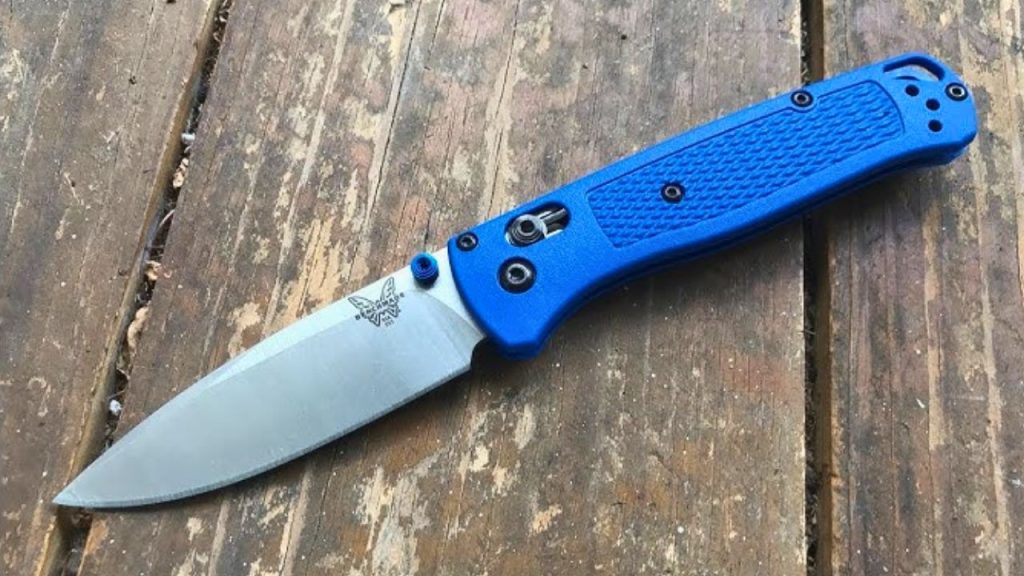
The Bugout looks purpose-built and modern, but weight savings drive every design choice. Thin liners, flexible handle scales, and a very slim blade make it easy to carry and easy to like.
Under pressure, that light build shows its limits. The handle flexes during harder cuts, which reduces control and confidence. The blade geometry favors slicing, not prying or torque. It works well within a narrow lane, but outside of that, it feels fragile. The Bugout looks ready for anything, yet it’s happiest doing light work where stress stays low and predictable.
CIVIVI Elementum
The Elementum earns praise for clean lines and smooth action. It looks refined and balanced, especially at its price point. On a desk or in a pocket, it feels well thought out.
Durability takes a back seat to aesthetics. Blade stock is thin, and the handle construction favors comfort over strength. Lockup is fine for daily tasks but doesn’t inspire confidence under lateral stress. It cuts well, but repeated hard use accelerates wear. The Elementum shines as a light-duty knife. When pushed harder, it reminds you it was designed to look good and feel smooth first.
Kershaw Leek
The Leek is sleek, narrow, and sharp out of the box. Its profile disappears in the pocket, and the assisted opening feels crisp.
That slim design limits strength. The blade is thin and prone to tip damage if misused even slightly. The handle doesn’t offer much leverage, which encourages over-gripping. Over time, torsion takes its toll. It’s excellent for controlled slicing and light tasks. Anything more demanding exposes how much material was removed in the name of style.
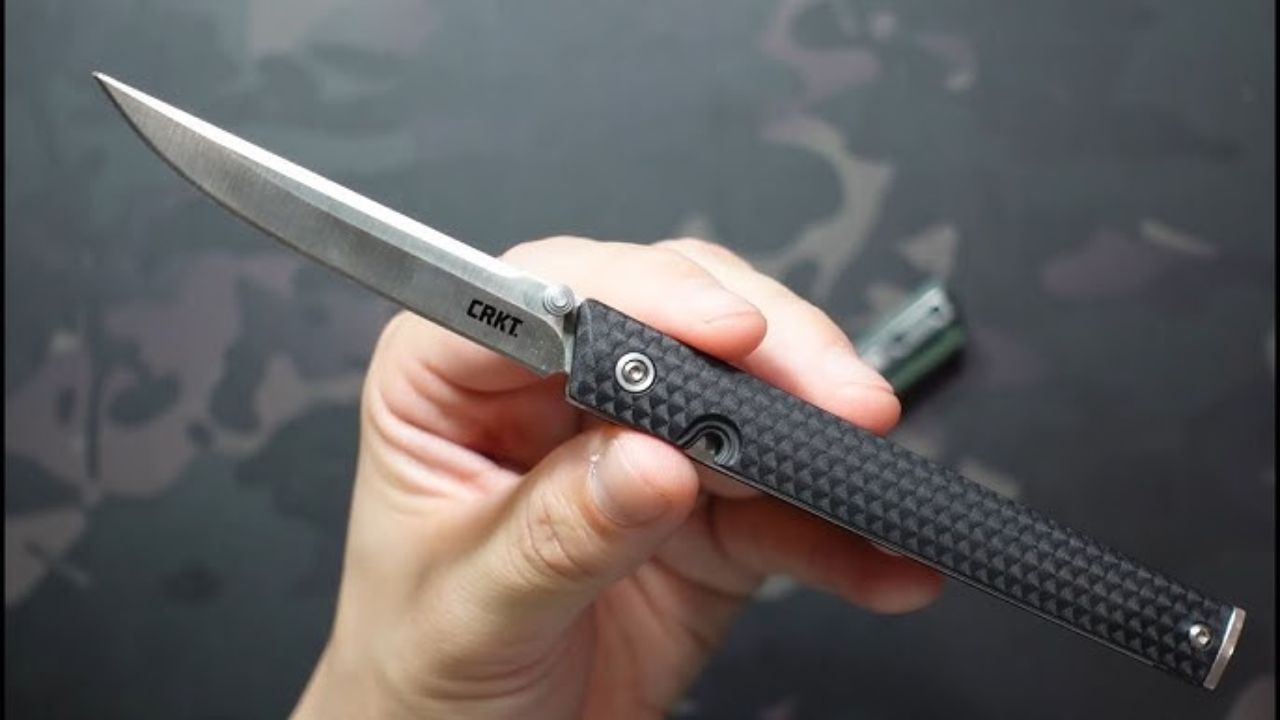
CRKT CEO
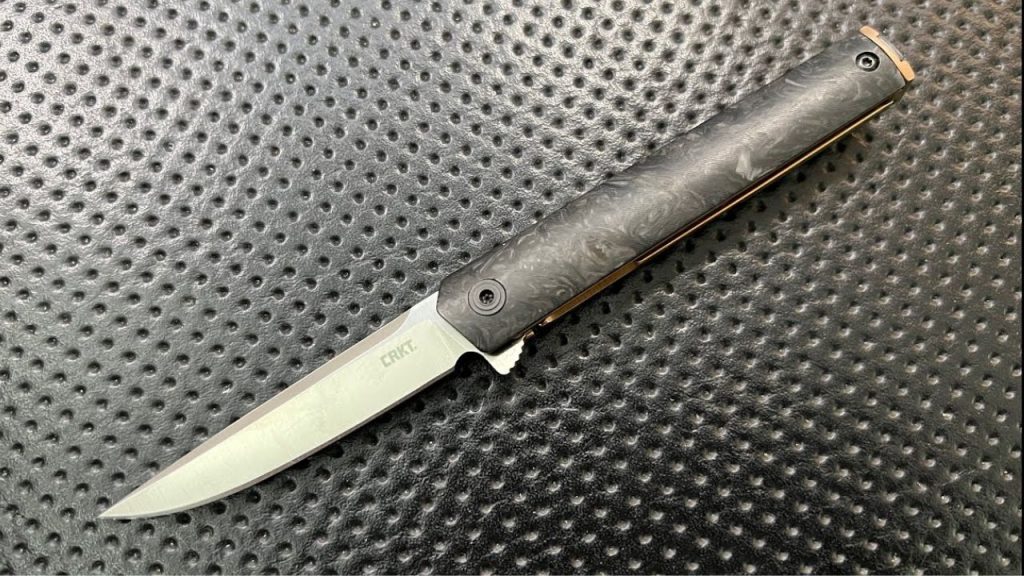
The CRKT CEO looks like it belongs clipped inside a suit pocket. Clean, understated, and elegant, it’s designed to disappear until needed.
That elegance costs durability. The blade is extremely thin, and the handle offers little reinforcement. Lock strength is adequate for light cutting, but not much more. Any twisting pressure feels risky. It’s a knife meant to open packages and cut paper, not handle rough work. The CEO succeeds visually, but it’s built for appearances and controlled use, not abuse.
Boker Magnum Rainbow Mermaid
This knife is unapologetically visual. Bright finishes and dramatic styling grab attention instantly. It’s meant to stand out.
Construction doesn’t match the flash. Materials are basic, tolerances are loose, and blade steel favors looks over edge stability. Under real use, things loosen quickly. It may cut, but confidence fades fast. This is a knife built to be noticed, not relied upon. The durability gap becomes obvious as soon as it leaves novelty territory.
Gerber Paraframe
The Paraframe’s open design looks tough and mechanical. It suggests strength through minimalism.
In reality, that skeletonized handle sacrifices rigidity. Grip comfort suffers, and pressure points develop during use. The blade steel is serviceable but soft, requiring frequent sharpening. Lockup isn’t designed for heavy stress. It functions, but it doesn’t inspire trust when force increases. The Paraframe looks rugged, yet the structure doesn’t support that image for long-term hard use.
SOG Twitch II
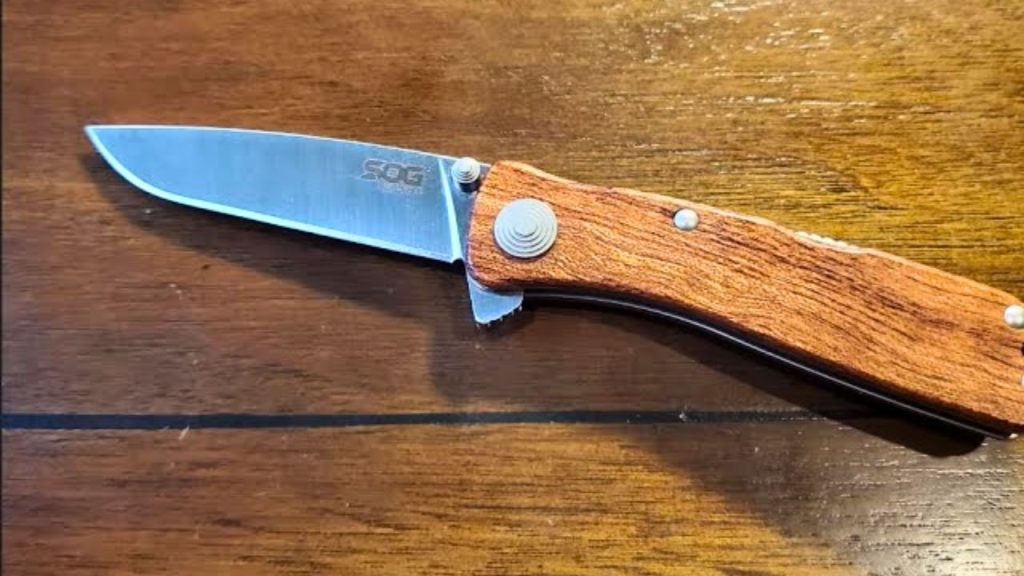
The Twitch II feels fast and sharp, with aggressive styling packed into a small frame. It looks like a serious little tool.
Size limits durability. The blade is narrow, and the handle doesn’t offer much control under load. Lock strength is fine for its size, but sustained pressure highlights its limits. Springs and small internal parts wear faster with frequent use. It’s capable within its role, but it looks tougher than it actually is when tasks get demanding.
Cold Steel Luzon
The Luzon looks imposing. Long blade, dramatic profile, and a size that suggests strength.
The problem is construction. Materials are chosen to keep cost down while maximizing visual impact. The blade length amplifies stress at the pivot, and lock quality varies. Hard use reveals flex and wear faster than expected. It looks like a workhorse but behaves more like a showpiece. Size alone doesn’t equal durability, and the Luzon makes that clear over time.
Smith & Wesson Extreme Ops
The Extreme Ops leans heavily into tactical styling. Blacked-out finish, aggressive serrations, and a bulky profile suggest toughness.
Internally, it’s basic. Blade steel is soft, and lock tolerances aren’t built for sustained pressure. Handles loosen, and edge retention drops quickly. It works for light tasks, but the look oversells the capability. It’s designed to appear rugged rather than prove it through materials and construction.
Damascus-pattern budget folders
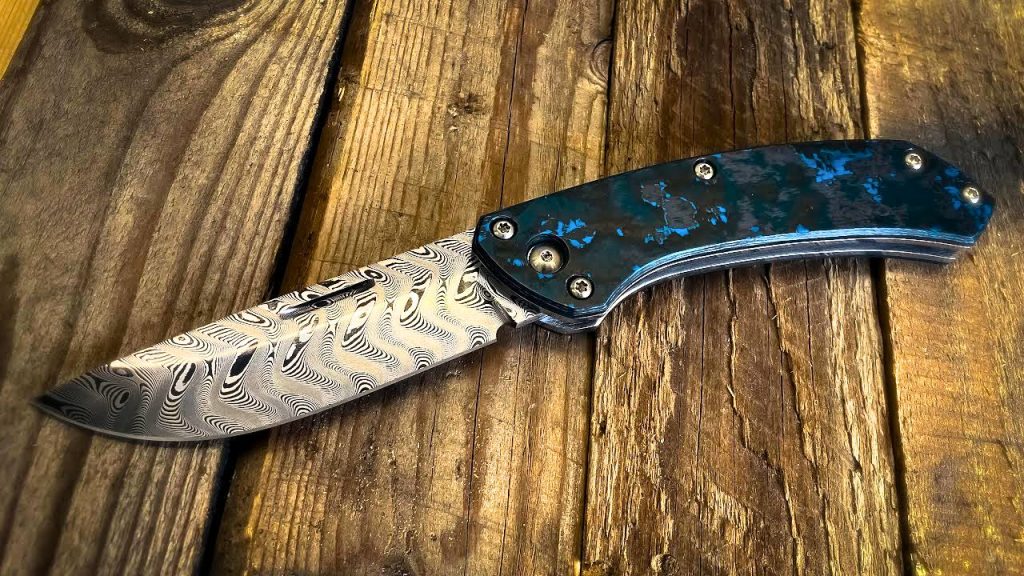
Damascus patterns attract buyers instantly. The layered look suggests craftsmanship and tradition.
On budget knives, it’s often cosmetic. Pattern-welded steels may be poorly heat-treated, leading to inconsistent edge performance. Chips and rolls show up early. The blade looks impressive but doesn’t behave like quality steel should. These knives sacrifice reliability for visual appeal. The pattern sells the knife. The steel doesn’t back it up under real use.
Buck 110 Slim
The Slim version modernizes a classic look. It’s lighter, thinner, and easier to carry.
Those changes reduce durability. The traditional 110 earned its reputation through mass and strength. The Slim trades that away. Handle rigidity drops, and the blade feels less stable under pressure. It cuts fine, but the margin for error is smaller. It looks like a work knife, but it no longer carries the same tolerance for hard use.
Fantasy-themed folding knives
Fantasy knives lean into dramatic shapes and exaggerated features. They’re designed to catch the eye first.
Function comes later, if at all. Unusual blade shapes create stress points, and handle ergonomics suffer. Materials are chosen for appearance, not performance. Under use, weaknesses show immediately. These knives look exciting but aren’t meant to work hard or last long. They sacrifice durability entirely for visual impact.
Durability isn’t flashy. It’s quiet, boring, and earned over time. When a knife puts looks first, it usually tells you the moment you ask it to work hard.

Leo’s been tracking game and tuning gear since he could stand upright. He’s sharp, driven, and knows how to keep things running when conditions turn.