Calibers that hunters outgrow quickly
Most hunters start with what’s available, affordable, or recommended by someone they trust. Early success builds confidence, and for a while it feels like you’ve found all the rifle you’ll ever need. Then experience creeps in. You start stretching distances, hunting different terrain, or taking animals that don’t stand perfectly broadside. That’s when some calibers begin to feel small.
Outgrowing a caliber doesn’t mean it failed. It means your expectations changed. Shot angles get tougher. Wind matters more. Recovery distances become less acceptable. These are calibers that work early on, teach good habits, and then quietly fall behind as your skills and demands grow.
.243 Winchester
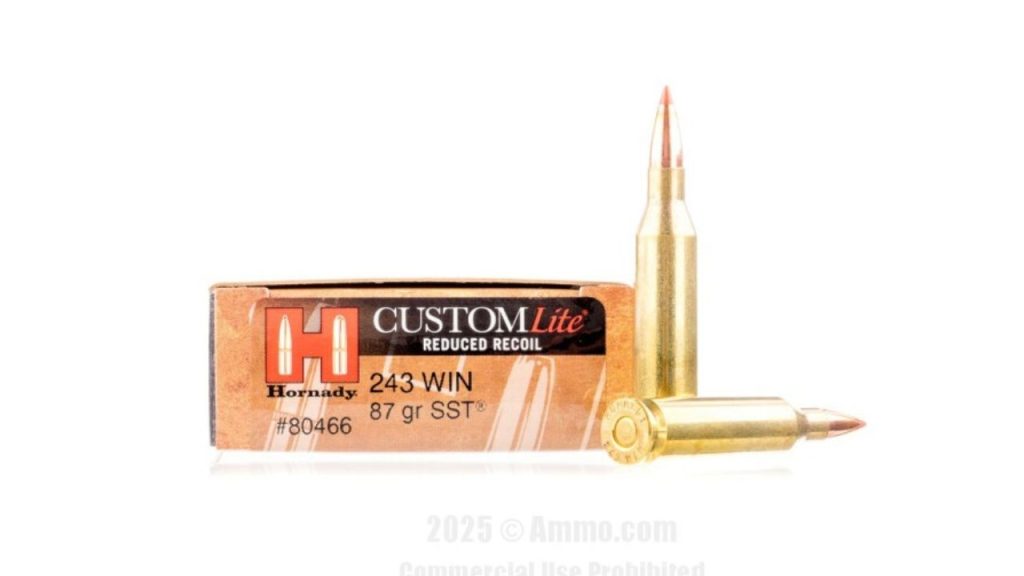
The .243 Winchester is a classic starting point. Mild recoil, flat trajectory, and good accuracy make it easy to shoot well. For deer-sized game inside reasonable distances, it works when shots are clean.
As you gain experience, its limitations show. Bullet weight and sectional density leave less room for error on quartering shots or heavier-bodied animals. Wind drift becomes noticeable past moderate range. You start picking shots more carefully instead of confidently. Many hunters keep it for specific uses, but they move on when versatility and forgiveness matter more than recoil reduction.
.30-30 Winchester
The .30-30 has probably taken more deer than most cartridges ever made. Inside woods ranges, it’s effective and familiar. It teaches patience and shot discipline.
The problem is reach. Once you hunt open country or fields, trajectory and energy fall off quickly. You find yourself passing shots you’d confidently take with other calibers. Bullet options help, but physics doesn’t move much. Hunters often outgrow the .30-30 when distance becomes normal instead of exceptional. It remains useful, but it starts feeling limiting rather than reassuring.
7.62×39
The 7.62×39 works surprisingly well at close range. With proper bullets, it can cleanly take deer where shots are short and controlled. It’s accessible and familiar to many shooters.
Experience reveals its narrow lane. Ballistics drop fast, wind drift adds up, and bullet performance varies widely. Past modest distances, confidence fades. You start closing the gap instead of reading conditions. Many hunters outgrow it once they want predictable performance across varied terrain. It teaches restraint, but it doesn’t grow with ambition.
.223 Remington
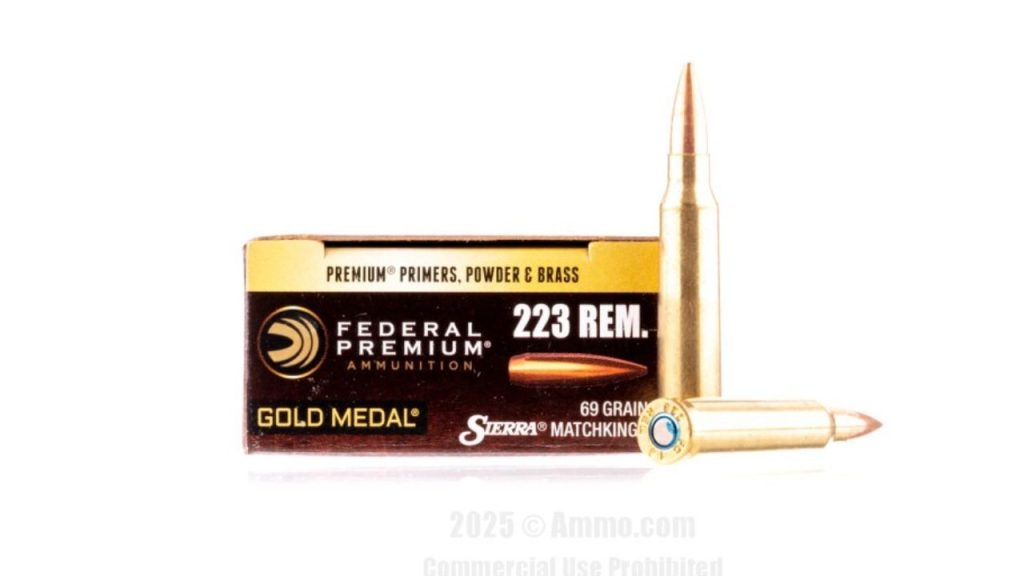
The .223 Remington shines for training and recoil management. With modern bullets and good placement, it can take deer-sized game where legal. Early success builds trust fast.
As seasons pass, you notice the margins are thin. Shot angles matter a lot. Wind and distance demand careful calculation. Tracking jobs can stretch longer than you’d like. You haven’t failed the caliber, but you start wanting more authority. Many hunters move on when they value consistent exits and shorter recoveries over minimal recoil.
6.5 Grendel
The 6.5 Grendel feels like a step up at first. Better bullets, improved reach, and respectable performance from compact rifles make it appealing. It handles deer well inside moderate distances.
Eventually, you feel boxed in by velocity and energy. Wind drift improves over smaller rounds, but it’s still present. At longer ranges, performance tapers. Hunters often outgrow it when shots stretch or animals get larger. It’s capable, but it doesn’t leave much extra on the table once conditions turn less cooperative.
.25-06 Remington
The .25-06 shoots flat and hits harder than many expect. Early on, it feels like a long-range solution without heavy recoil. It builds confidence quickly.
Over time, bullet selection becomes the sticking point. Heavier game and angled shots expose limits in penetration. Wind performance isn’t as forgiving as newer high-BC options. Hunters who stretch distances or hunt larger-bodied animals often move on to calibers with better bullet options. The .25-06 works, but modern expectations have passed it by.
.270 Winchester

The .270 Winchester has a loyal following for good reason. It’s flat-shooting, accurate, and effective on a wide range of game. Many hunters start here and do well.
As experience grows, some hunters want heavier bullets or better wind performance. Modern bullet design helps, but caliber constraints remain. You begin noticing how newer cartridges manage long shots with less correction. The .270 doesn’t stop working. It just stops feeling optimal once precision and adaptability become priorities.
350 Legend
The 350 Legend fills a legal niche and works well within it. Recoil is manageable, and performance is solid at short distances. It puts animals down when used correctly.
The ceiling is low. Trajectory drops fast, and range is limited by design. Once you hunt outside straight-wall restrictions, it feels confining. Hunters often outgrow it as soon as their options expand. It does its job, but it’s purpose-built. Experience tends to push hunters toward calibers that don’t come with built-in boundaries.
Outgrowing a caliber isn’t a mistake. It’s a sign you’ve learned enough to want more from your rifle.

Leo’s been tracking game and tuning gear since he could stand upright. He’s sharp, driven, and knows how to keep things running when conditions turn.